








































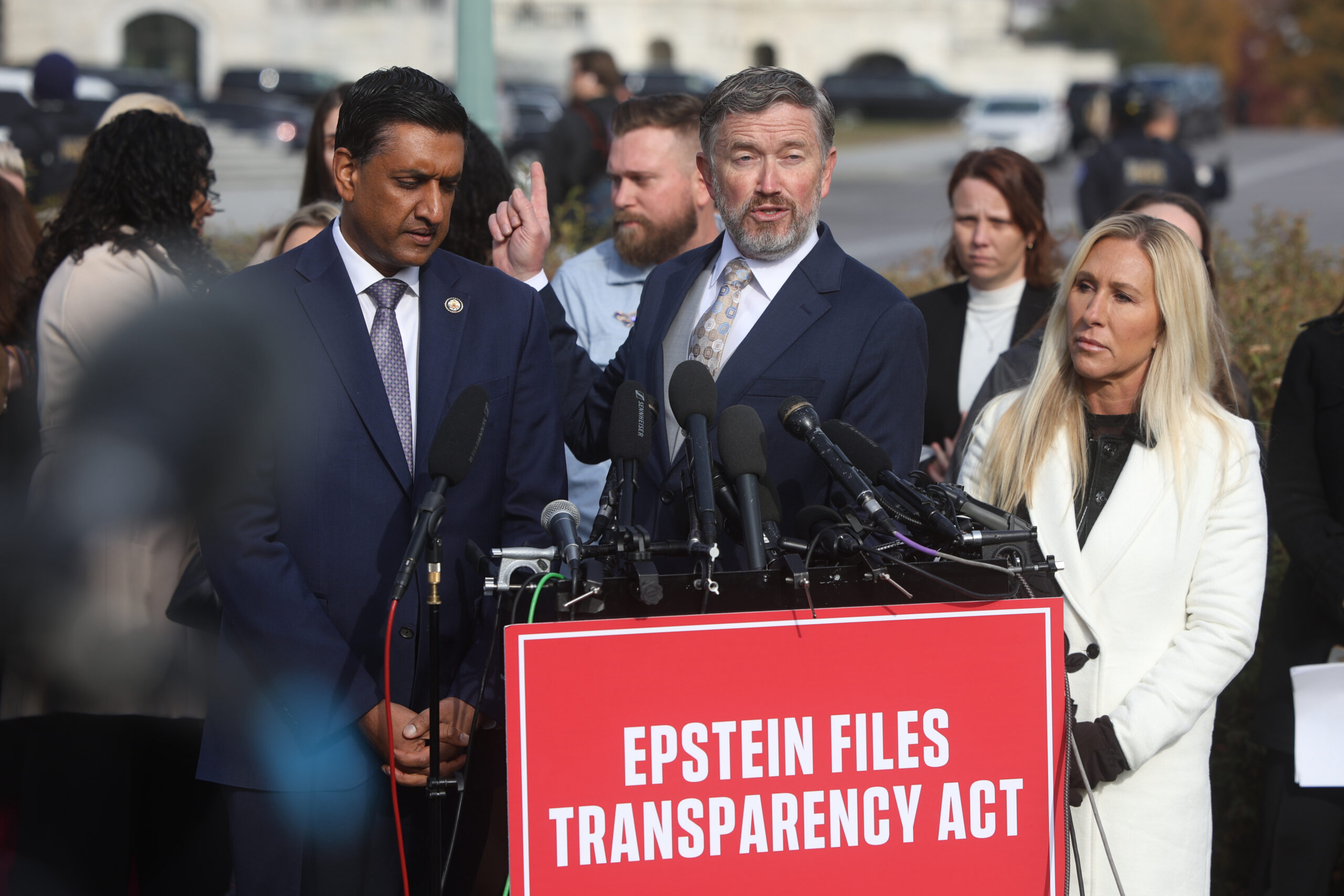
On October 27, 2023, the Justice Department failed to meet its deadline for releasing all documents related to the investigation of Jeffrey Epstein, a high-profile figure whose alleged crimes have been the subject of significant public interest. This missed deadline has drawn a muted response from Republicans in Congress, many of whom are showing little urgency about the situation.
Some lawmakers had previously expressed hopes that the release of these documents would shed light on Epstein’s connections and potentially implicate other individuals in his criminal activities. Yet, as the date passed without the anticipated disclosures, Republican members of Congress largely appeared unfazed.
In a recent interview, a Republican aide noted, “It’s no longer in my hands,” reflecting a broader sentiment among GOP representatives who seem to have shifted their focus elsewhere. This change in attitude underscores a growing disinterest in the Justice Department’s actions regarding Epstein, a figure whose network of connections has been linked to various powerful individuals.
Political Implications of the DOJ’s Delay
The failure to release the Epstein files has implications beyond the immediate context. It raises questions about the Justice Department’s priorities and its commitment to transparency, especially concerning such a controversial case. Critics argue that the delay reflects a lack of political will, while proponents of the department insist that the complexities involved in redacting sensitive information necessitate additional time.
Some Republican lawmakers had previously indicated that they would advocate for greater accountability from the Justice Department. Yet, as days turned into weeks following the deadline, their voices of concern have diminished. The House Judiciary Committee, which oversees the actions of the Department, has not made any significant moves to pressure for the release of the documents.
The documents in question could potentially contain information about Epstein’s interactions with various high-profile individuals, which could influence public perception and political narratives. However, with the lack of urgency from Congressional Republicans, it appears that the spotlight on this issue may be dimming.
Public Reaction and Future Outlook
Public interest in the Epstein case remains high, fueled by ongoing discussions about accountability and justice. Survivors of Epstein’s abuse have called for transparency, emphasizing the need for the release of documents to ensure that victims receive justice and that broader systemic issues are addressed.
As the political climate evolves, the response to the Justice Department’s delay may shift. Advocacy groups and concerned citizens are likely to continue pressing for the release of the Epstein files, potentially reigniting Republican interest in the matter.
In the coming weeks, it will be crucial to monitor any developments regarding the release of these documents and the potential implications for those involved. While the initial response from Republicans has been largely indifferent, the enduring public interest in the case means that the issue may not remain dormant for long.
























