A woman, identified only as “Trapped at Home,” has expressed her struggle with her relationship after enduring a serious health crisis. Several years ago, she fell gravely ill, requiring an induced coma and extensive care during her recovery. Her husband played a crucial role during this period, managing daily tasks such as changing her colonoscopy bag and providing meals. Despite his dedication, the dynamics of their relationship have changed significantly since her recovery.
In her letter, the woman outlines a growing sense of frustration and imbalance within their marriage. Although she acknowledges her husband’s support during her illness, she now feels more like a caretaker than a partner. She explains that since becoming homebound, she has taken on the majority of household responsibilities, including daily cooking and laundry, while her husband enjoys leisure activities such as playing pickleball.
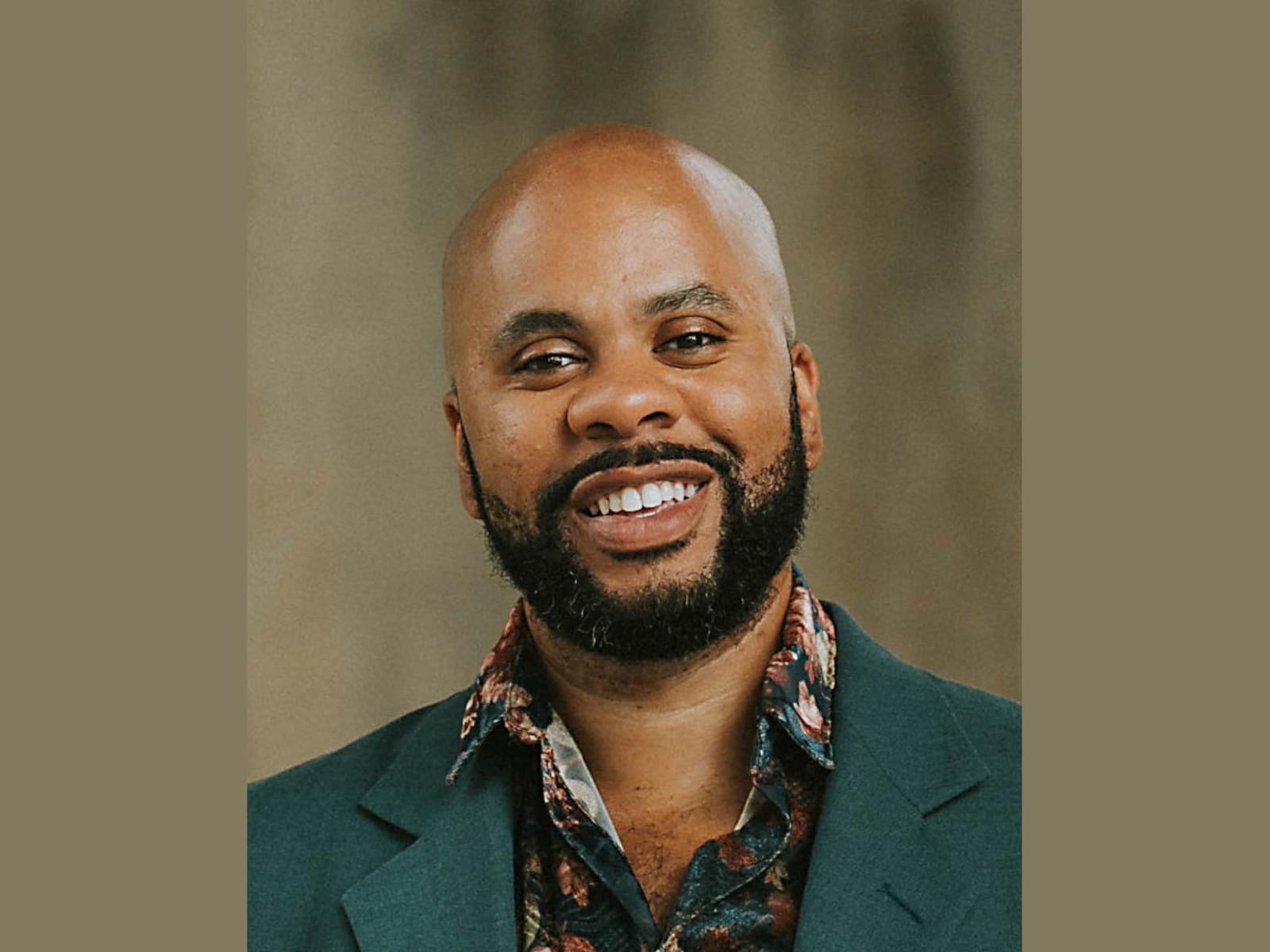
The letter highlights a common issue many couples face: the strain that can arise from caregiving roles and the expectations that accompany them. According to relationship expert R. Eric Thomas, it is essential for couples to engage in what he calls a “state-of-the-relationship” conversation. This discussion aims to address feelings of dissatisfaction and explore potential solutions together.
Thomas emphasizes that it is not fair for individuals to blame themselves for relationship imbalances. He suggests that the couple should openly communicate their feelings and work collaboratively towards a more equitable distribution of household duties. This could involve sharing responsibilities more evenly, which is vital for maintaining a healthy partnership.
If the conversation proves challenging, Thomas recommends seeking support from friends or a therapist to facilitate a productive dialogue. Relationships often fluctuate in terms of effort and contribution, but recognizing when the balance feels disproportionate is crucial for restoring harmony.
As “Trapped at Home” navigates her feelings and seeks to improve her situation, her experience underscores the importance of communication and collaboration in relationships, particularly after significant life changes.
For those facing similar challenges, open dialogue can be a vital step toward finding balance and understanding within their partnerships.
For further inquiries, R. Eric Thomas can be contacted at [email protected] or via his mailing address in Philadelphia.