








































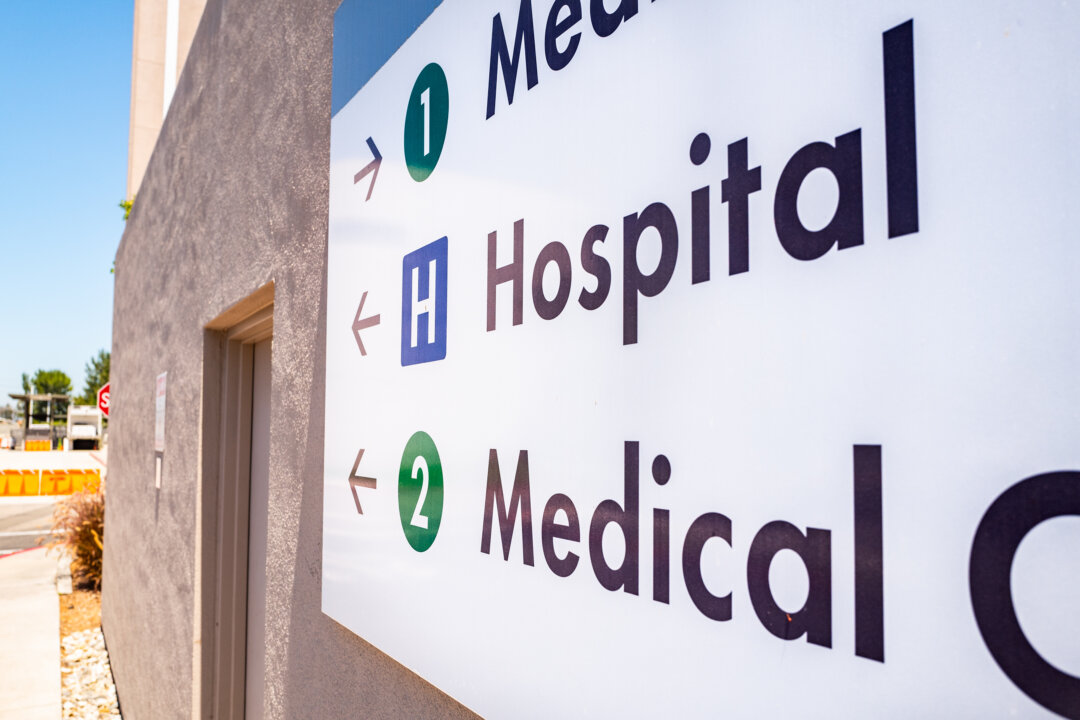
Rural hospitals in every state in the United States will have the opportunity to apply for federal funding beginning in 2026. The initiative, known as the Rural Health Transformation Program, aims to allocate $50 billion to enhance and modernize health care services for more than 60 million Americans residing in rural areas. This announcement was made on December 29 by the Centers for Medicare & Medicaid Services.
The funding will be disbursed over a five-year period, with $10 billion available annually from 2026 through 2030. States will receive funding based on their specific needs, with initial awards ranging from $147 million for New Jersey to $281 million for Texas. This financial support aims to bolster the capacity of local hospitals, clinics, and health workers.
Significance of the Investment
Health and Human Services Secretary Robert F. Kennedy, Jr. emphasized the importance of this funding, stating that it empowers local health facilities to better serve their communities. “This historic investment puts local hospitals, clinics, and health workers in control of their communities’ healthcare,” he noted. The program is designed to alleviate bureaucratic challenges, ensuring that rural Americans have access to affordable health care options closer to home.
The program reflects a broader commitment to improving health care infrastructure in underserved areas. Rural communities often face significant challenges, including limited access to medical resources and a shortage of health care professionals. By providing substantial financial resources, the Rural Health Transformation Program aims to address these disparities and enhance health outcomes for millions of Americans.
Future Implications
As states prepare to apply for this funding, local governments and health organizations are encouraged to strategize on how best to utilize the resources to meet community needs. The initiative is expected to foster innovative solutions tailored to the unique challenges faced by rural health systems.
The anticipated impact of the program goes beyond immediate financial support; it represents a pivotal shift in how health care is approached in rural areas. The funding will likely stimulate local economies, create jobs in the health sector, and ultimately lead to improved health metrics within these communities.
In conclusion, the Rural Health Transformation Program stands as a significant step towards ensuring that rural populations receive the quality health care they deserve. With the first round of funding set to begin in 2026, health officials and local leaders are poised to make meaningful changes that will affect the lives of millions across the nation.
























