Smartwatches have evolved significantly, offering advanced features that go beyond simple timekeeping. With capabilities such as voice assistants, crash detection, call and text support, and long battery lives, these devices have become essential tools for health and fitness tracking. In an insightful article published in March 2026, ZDNET outlines the meticulous testing process it employs to evaluate smartwatches, ensuring that consumers make informed choices.
Evaluation Process and Testing Standards
At ZDNET, the evaluation of smartwatches is rigorous, with devices typically purchased after their public release. This approach eliminates the pressure to publish quick reviews based on limited usage. Each smartwatch undergoes extensive testing over a period of weeks, allowing for a thorough assessment of battery life, health tracking capabilities, GPS accuracy, heart rate sensor reliability, and various design features.
The team maintains strong relationships with most smartwatch brands, enabling them to seek clarifications about hardware and software during the evaluation process. While they test several third-party applications, they acknowledge that individual experiences may vary due to the vast number of apps available. Factors such as a user’s body geometry, the fit of the band, and the specific smartphone used for connection also influence performance.
Price and battery life are considerations in their recommendations, but they emphasize that most modern smartwatches fall within the range of $300 to $500. Additionally, battery life typically lasts only a day or two, especially for models integrating numerous third-party apps.
Key Factors for Smartwatch Recommendations
ZDNET’s recommendations are based on five critical factors, excluding price and battery life: core functionality and performance, build quality and durability, health and wellness features, application availability, and advanced features. The team has refined its evaluation methods over two decades of smartwatch use, beginning with the Fossil Wrist PDA powered by Palm OS.
Core functionality is paramount; a smartwatch must reliably display the time and notifications. The evolution of customizable watch faces allows users to personalize their devices, often incorporating widgets for quick access to essential information. The ability to manage notifications directly from the watch is another vital aspect, enabling users to stay connected without needing to frequently reach for their smartphones.
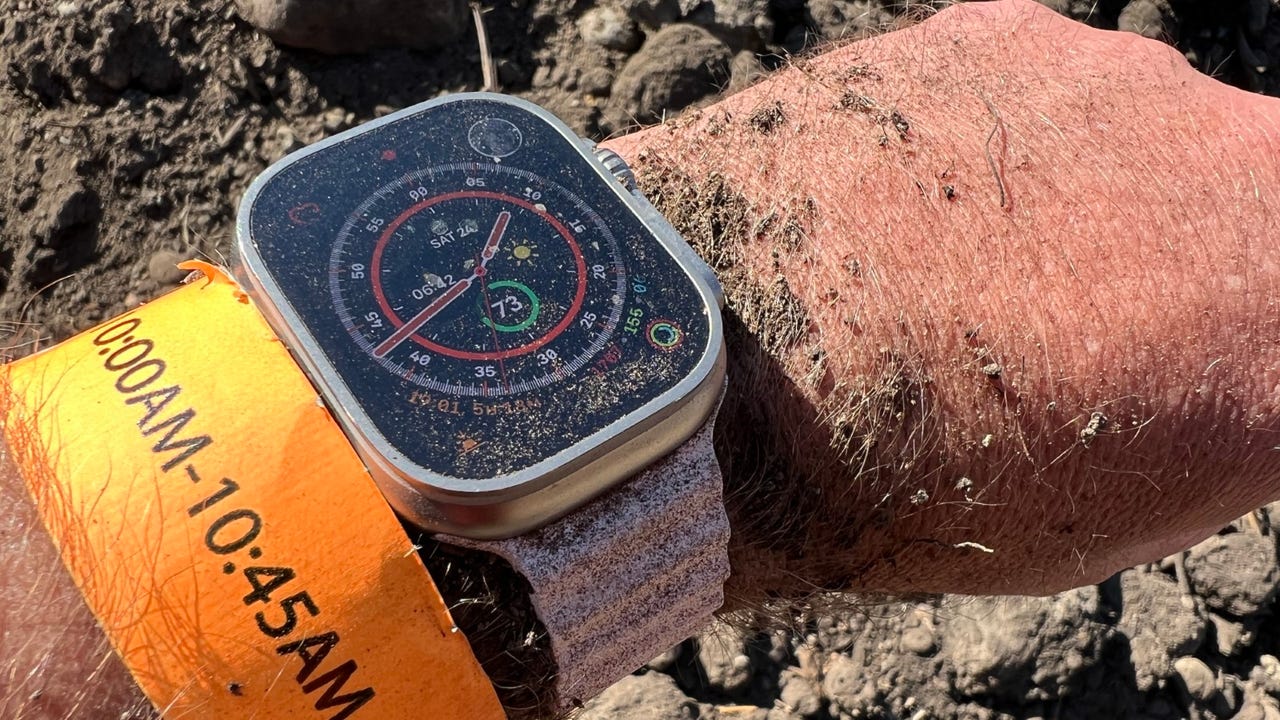
Build quality and durability are also essential. Most smartwatches currently offer water resistance, allowing for use in various conditions. The materials used, such as polymer fiber, aluminum, titanium, or stainless steel, contribute to the overall robustness of the device. ZDNET documents any wear and tear during testing, including scratches and performance in different environments.
Health and wellness tracking has become increasingly sophisticated. Modern smartwatches incorporate features that were once exclusive to dedicated health devices. Companies like Apple, Google, and Samsung are at the forefront of this integration, offering advanced metrics for both casual and professional athletes. ZDNET emphasizes the importance of these features, as they motivate users to engage in physical activities while providing valuable insights into their health.
The evaluation of applications has transformed since the early days of smartwatches. Today, major brands actively support developers, significantly expanding the range of available apps. Apple remains a leader in this space, but Google’s partnership with Samsung has introduced fierce competition, particularly with the Galaxy Watch platform.
Advanced features serve as a distinguishing factor, showcasing what a smartwatch can offer beyond basic functions. ZDNET notes significant innovations, such as satellite support for emergency services, which have emerged in recent models. Features like incident detection, navigation, and voice assistance are becoming standard, while companies like Garmin have integrated unique functionalities, such as LED flashlights.
Today’s smartwatches represent a fusion of cutting-edge technology and user-oriented design. As new features continue to emerge, ZDNET remains committed to exploring these advancements, ensuring that consumers have access to the most comprehensive information available. The landscape of wearables is continually evolving, and ZDNET will continue to provide insights into the best options on the market.