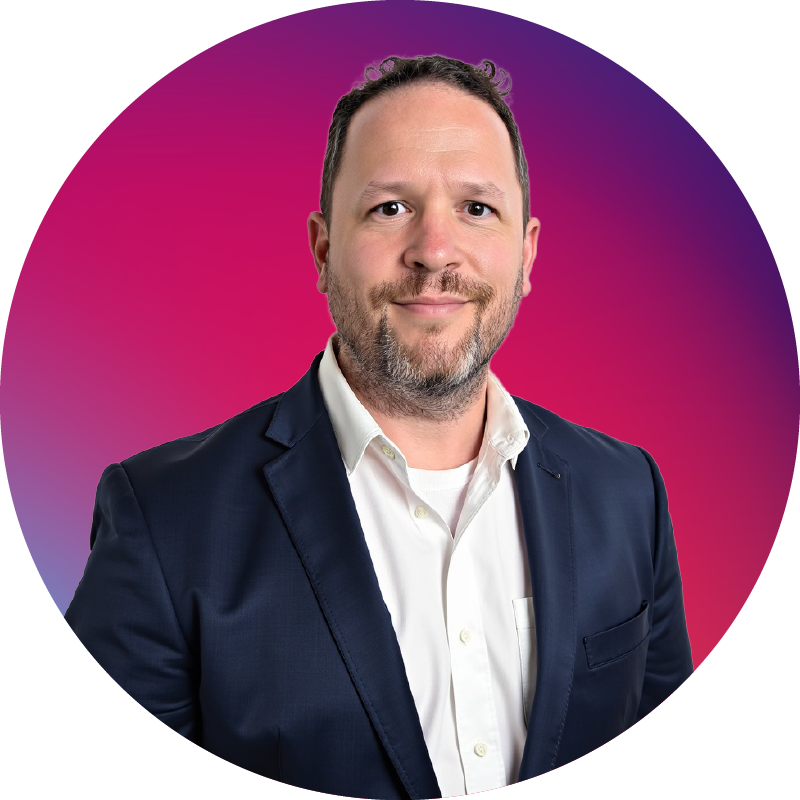
Healthcare professionals rely heavily on electronic health record (EHR) software to enhance patient care and maintain accurate documentation. As technology evolves, so do the challenges associated with mastering these systems. Chris Mercier, Vice President of Research and Development at Juno Health, outlines strategies to navigate the learning curve of EHR systems, emphasizing the importance of IT competency by 2026.
Understanding the EHR Landscape
The integration of EHR systems is essential for supporting the care continuum. This software helps clinicians enter diagnoses, care plans, and administrative information efficiently. However, each new system introduces a significant learning curve, particularly for IT teams responsible for configuring these platforms. Mercier notes that many hospitals fail to allocate sufficient time for IT personnel to acclimate to new software.
To bridge this gap, IT professionals must engage deeply with the EHR from the outset. They should participate in training, integrations, and data migrations to fully grasp the system’s functionalities. This proactive approach not only prepares IT teams for their roles but also enhances the support they can provide to clinical end users.
Building Effective Support Systems
Creating a robust support system is crucial for ensuring a positive user experience with EHR software. Mercier advocates for a multitiered support structure that accommodates varying levels of complexity. This could include:
Tier 1: Clinical super users or informatics specialists for immediate, bedside support
Tier 2: Specialized IT staff to address complex system issues and customization
Tier 3: Vendor support for critical system failures and upgrades
By implementing this structure, organizations can investigate and resolve issues swiftly, ultimately enhancing the user experience. Mercier emphasizes the importance of on-site triage, enabling clinicians to resolve minor issues with IT’s assistance before they escalate.
In-house IT teams should establish dedicated helplines and on-site staff with clearly defined response time metrics. This enables them to address connectivity concerns, system resource checks, and customer-loaded software issues effectively. For instance, monitoring CPU and RAM usage can help prevent performance bottlenecks.
As problems arise, IT can escalate more complex issues to vendors, ensuring that system-level problems receive expert attention. This collaboration is vital for maintaining the integrity of the EHR and supporting clinicians as they navigate their daily responsibilities.
Fostering Communication and Collaboration
Effective EHR support hinges on clear communication between IT teams, clinicians, and EHR vendors. Mercier encourages the establishment of cross-functional committee meetings involving IT, product management, and clinical leadership. By fostering open lines of communication, organizations can address functionality concerns and ensure that the EHR meets the evolving needs of users.
Engaging clinician champions who possess in-depth knowledge of the EHR can also facilitate workflow customization. These advanced users can provide peer support, helping new users acclimate to the system more quickly. This approach not only enhances user competency but also strengthens the overall support network.
As healthcare becomes increasingly complex, organizations must adopt baseline practices for EHR support. Maintaining open communication is essential for empowering users to navigate the system effectively. By actively seeking feedback and addressing concerns, IT teams can ensure that clinicians are equipped to manage patient care efficiently.
With over 30 years of IT experience, including 25 years dedicated to healthcare IT, Chris Mercier is well-positioned to lead Juno Health’s development efforts. His extensive background includes designing and implementing healthcare billing and EHR applications, as well as overseeing complex system integrations and migrations. Outside of his professional responsibilities, he enjoys pursuits such as 3D printing, woodworking, and spending time with his son.