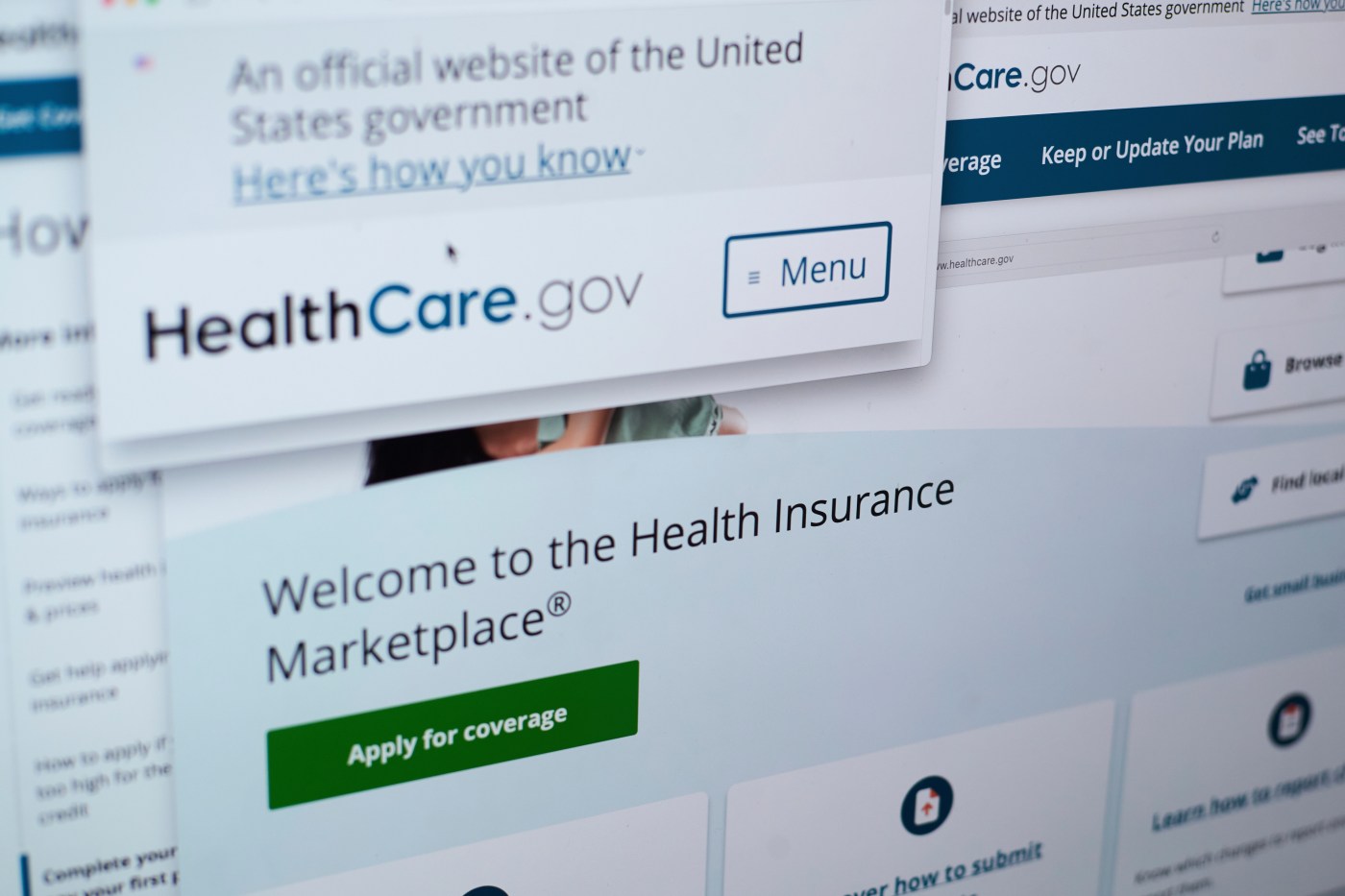
As of January 1, 2026, millions of Americans face a health care crisis as subsidies provided through the Affordable Care Act (ACA) have officially expired. Introduced in 2021 and extended through the Inflation Reduction Act, these subsidies played a crucial role in making health care premiums affordable. With their removal, many individuals are now grappling with premiums that have more than doubled, leaving them vulnerable and without insurance.
In response to this growing issue, states need to take proactive measures to support their residents. Illinois, in particular, has long recognized the importance of addressing health care inequity and has implemented various initiatives aimed at improving access to health care services.
Illinois Initiatives to Address Health Care Disparities
In 2022, Illinois established the South Side Healthy Community Organization (SSHCO) through Healthcare Transformation Collaboratives. This initiative serves uninsured patients and those on Medicaid, providing essential health care services in areas where health outcome disparities are significant. The SSHCO subsidizes local health care providers, allowing residents to access care within their communities and offers a range of support services, including a free doula program for new mothers.
Since its inception, SSHCO has facilitated over 138,000 appointments for patients, highlighting the pressing need for such support systems, especially as the expiration of ACA subsidies leaves many without coverage. As health care costs continue to rise, organizations like SSHCO are becoming increasingly vital for Chicago residents who find themselves without insurance.
In a statement, Kimberly Hobson, CEO of SSHCO, emphasized the importance of continued support for state-funded organizations, stating, “As health care costs skyrocket, SSHCO will continue to provide stability and support to these newly uninsured residents.” She called on state and local leaders to prioritize funding for initiatives that help all residents live healthy lives.
The Broader Impact of Policy Changes on Health Care Access
The expiration of ACA subsidies is not just an isolated issue but part of a larger national health care crisis. As Congress considers possible measures to reinstate these subsidies, the likelihood of successful legislation remains uncertain, with potential vetoes looming. Consequently, the responsibility falls upon individual states to step in and provide necessary support for their constituents.
In addition to the health care initiatives in Illinois, other states are urged to explore similar programs to mitigate the impact of rising health care costs on their populations. The urgency for action is clear, as millions of Americans are left to navigate a complex health care landscape without the financial assistance they have relied on for years.
The ongoing efforts by organizations like SSHCO illustrate a model for how states can address health care disparities and ensure access to essential services. As the situation evolves, the proactive measures taken by state governments will be crucial in determining how effectively they can support their residents in this challenging environment.