








































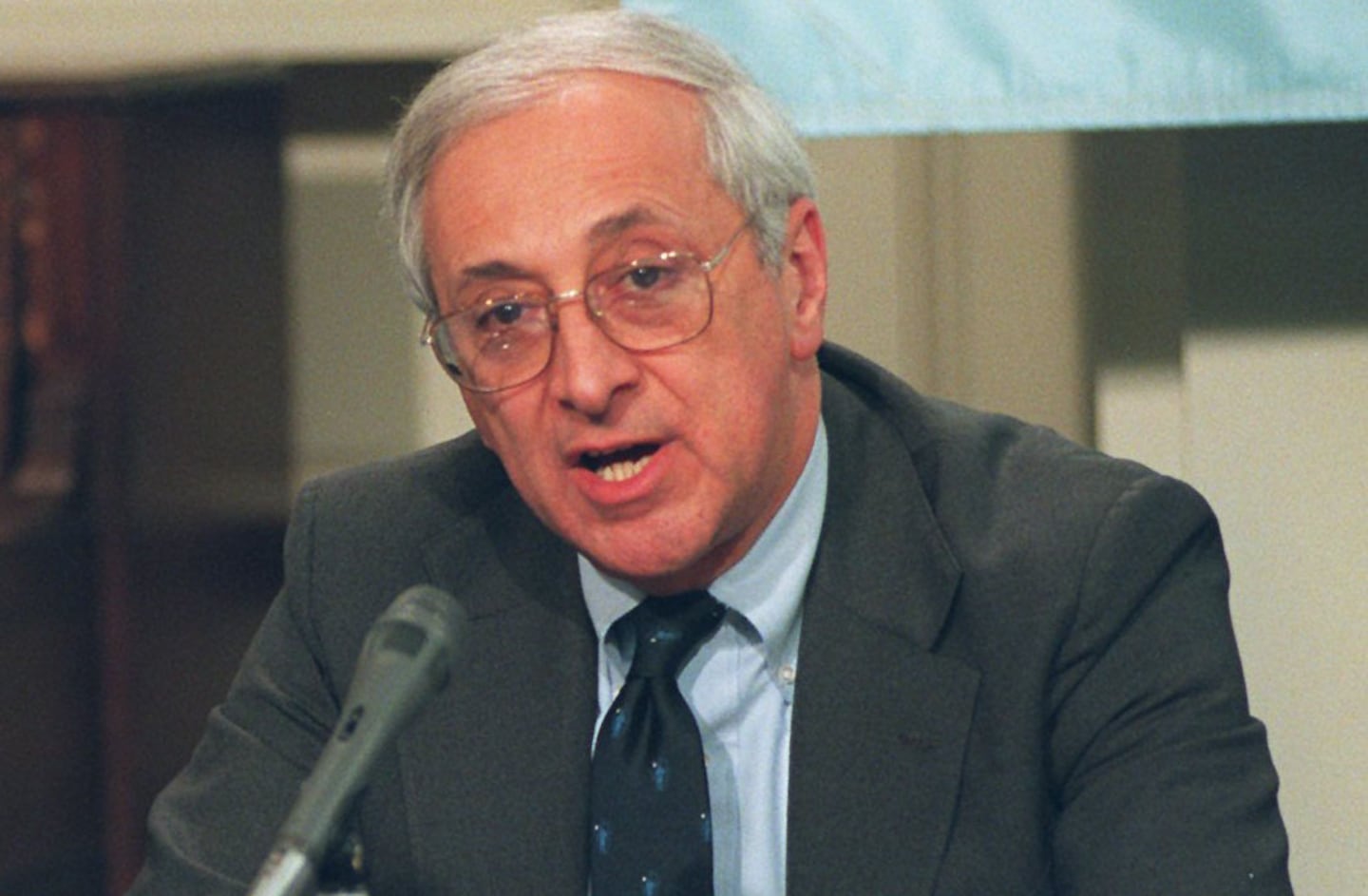
Dr. Samuel Thier, a prominent figure in the field of health care and academia, passed away at the age of 88 on January 3, 2026, at his home in Chestnut Hill, Massachusetts. Thier’s career spanned decades and included significant leadership roles at Massachusetts General Hospital (MGH), Brandeis University, and Partners HealthCare, the organization formed from the merger of MGH and Brigham and Women’s Hospitals over 30 years ago.
Born on June 23, 1937, in Brooklyn, New York, Thier’s academic journey began early as he skipped grades in school and entered Cornell University at just 16. After three years, he transitioned to medical school, starting his medical training at the age of 19. His rapid advancement set the tone for a career characterized by intellectual brilliance and a commitment to health care reform.
Transforming Health Care in Massachusetts
Throughout his tenure at Partners HealthCare, Thier was known for advocating the integration of creativity and social responsibility in health care. In a speech accepting the George M. Kober Medal from the American Association of Physicians in 2008, he stated, “I have always thought that our real challenge is to provide adequate protection for independent, creative intellectual activity while assuring that those who receive that protection in education or health care understand their social responsibilities.”
Dr. Peter L. Slavin, former president of MGH, described Thier as “a giant in the history of MGH and the creation of Partners HealthCare.” Slavin noted, “He was remarkable in so many ways. He really had the sharpest intellect I’ve ever encountered.”
Dr. Anne Klibanski, current president and chief executive of Mass General Brigham, emphasized Thier’s far-reaching vision, stating that it extended “far beyond Boston and Massachusetts.” His leadership during a time of rapid change in health maintenance organizations significantly influenced the financial landscape of major academic health centers.
A Legacy of Innovation and Leadership
In 1994, Thier took over as president of MGH and later became the chief executive of Partners HealthCare. His approach was marked by a willingness to take risks in reorganizing health care delivery. Dr. Gary Gottlieb, a former chief executive at Partners HealthCare, remarked, “Sam was a brilliant visionary, passionate, and one of health care’s truly most important leaders in a defining time of its evolution.”
Despite facing significant challenges, including ensuring funding for hospitals amid rising insurance costs, Thier maintained a focus on patient care and research. A notable agreement made in 2000 with Blue Cross Blue Shield of Massachusetts provided higher payments to Partners hospitals but also raised concerns about increasing insurance costs statewide, as reported by the Boston Globe.
Thier’s early life was shaped by his admiration for his father, Dr. Sidney Thier, whom he regarded as “the best doctor in the entire universe,” according to his wife, Paula. After completing his medical training, he held various prestigious positions, including chairman of Medicine at Yale School of Medicine and president of the Institute of Medicine (now known as the National Academy of Medicine). His leadership at the Institute facilitated critical discussions around the AIDS crisis and the need for a national response.
In 1991, Thier briefly served as president of Brandeis University before returning to MGH. His influence extended beyond administrative roles, as he was a dedicated mentor to many in academic medicine. Dr. Nina Tolkoff Rubin, director of dialysis services at MGH, credited him with inspiring her career as a nephrologist through his commitment to excellence in patient care and education.
Thier is survived by his wife, Paula, and their three daughters, Audrey, Stephanie, and Sara. He also leaves behind two sisters, six grandchildren, and seven great-grandchildren. Plans for a memorial gathering to honor Thier’s life and contributions have yet to be announced.
His impact on health care and education remains profound, and those who knew him speak of his extraordinary intellect and dedication to improving the lives of others. In accepting the Kober Medal, Thier reflected on the demographics of his medical school class, which included only five women and no minorities, underscoring his commitment to diversity and mentorship in the field.
As the medical community mourns his loss, Dr. Samuel Thier’s legacy of innovation, leadership, and compassion will continue to inspire future generations in health care and academia.
























