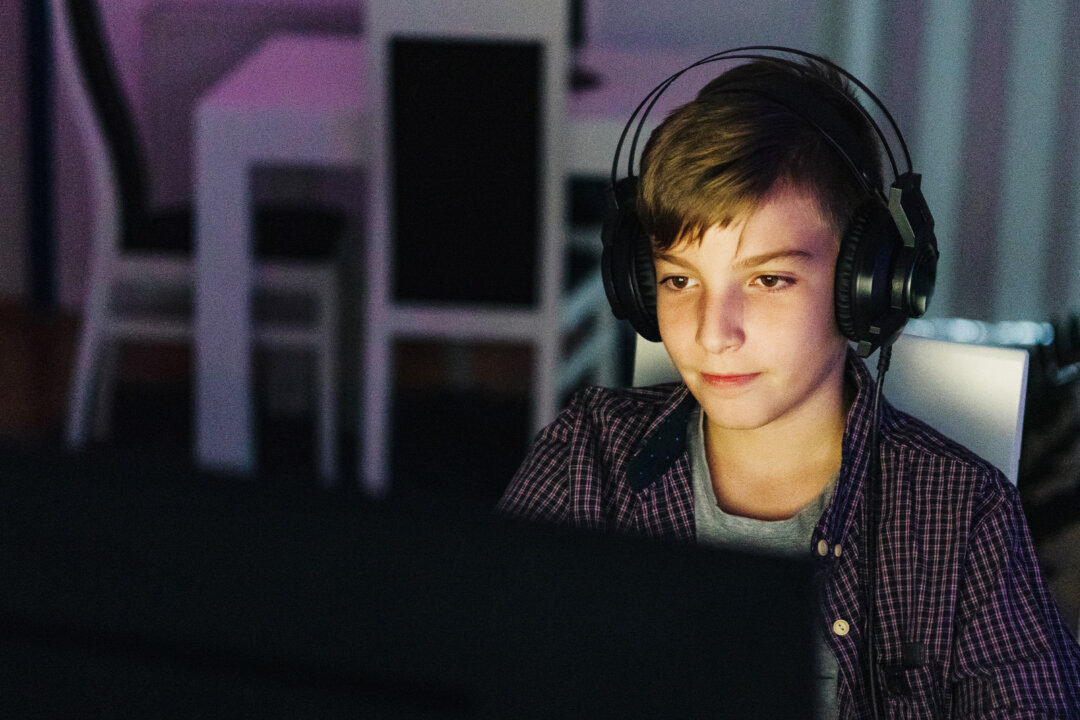
The increasing prevalence of video game use among teenagers has raised concerns about the impact of gaming on their well-being. While many teens engage in gaming as a means to unwind, some may struggle to maintain a healthy balance, leading to potential gaming-related issues. Understanding when gaming shifts from a recreational activity to a compulsive behavior is crucial for parents and guardians.
Understanding the Role of Gaming in Teen Life
Teens often seek outlets to manage the pressures of school, friendships, and the expectations of society. For many, video games serve as an effective escape. A few hours spent in an immersive digital world can provide a much-needed break and help them decompress after stressful days. In fact, research indicates that moderate gaming can positively affect mood and social interaction.
However, challenges arise when gaming becomes the primary method for coping with emotions. According to the American Psychological Association, excessive gaming can lead to isolation and may interfere with daily responsibilities, such as school and family obligations. This shift can transform gaming from a healthy outlet into a compulsive behavior.
Recognizing Signs of Problematic Gaming
The key factor in determining whether gaming has become a problem lies in its impact on a teen’s life. A few warning signs can indicate that gaming may be encroaching on more traditional forms of coping. For instance, if a teen prioritizes gaming over academic responsibilities, family time, or physical activities, it may signal an unhealthy reliance on the medium.
Furthermore, gaming can begin to dominate a teen’s thoughts, leading to irritability or distress when they are unable to play. The design of many games, which reward persistence and often discourage breaks, can exacerbate this issue. As a result, some teens may find it increasingly difficult to step away from their screens.
Parents and guardians should monitor not only the amount of time spent gaming but also the context in which it occurs. If gaming serves as the sole method for emotional relief, it can create deeper issues, including increased stress and isolation.
Encouraging teens to engage in a variety of activities is essential for their emotional health. Activities like sports, music, or arts can provide alternative coping mechanisms that promote balance and well-being.
Strategies for Healthy Gaming Habits
To foster a healthier relationship with gaming, families can implement several strategies. Setting clear boundaries around gaming time is important. Experts recommend that parents establish limits on daily gaming hours and encourage breaks to promote a balanced lifestyle.
Moreover, open discussions about gaming can help teens articulate their feelings and experiences. Encouraging teens to share their thoughts about the games they play and their motivations can provide insight into their gaming habits.
If a teen shows signs of compulsive behavior, seeking professional guidance may be necessary. Mental health professionals can offer support and strategies tailored to the individual needs of the teen, helping them develop healthier coping mechanisms.
Understanding the line between healthy gaming and compulsion is vital for parents and teens alike. By fostering open communication and promoting a balanced lifestyle, families can help ensure that gaming remains a fun and enjoyable part of a teen’s life, rather than a source of stress or isolation.