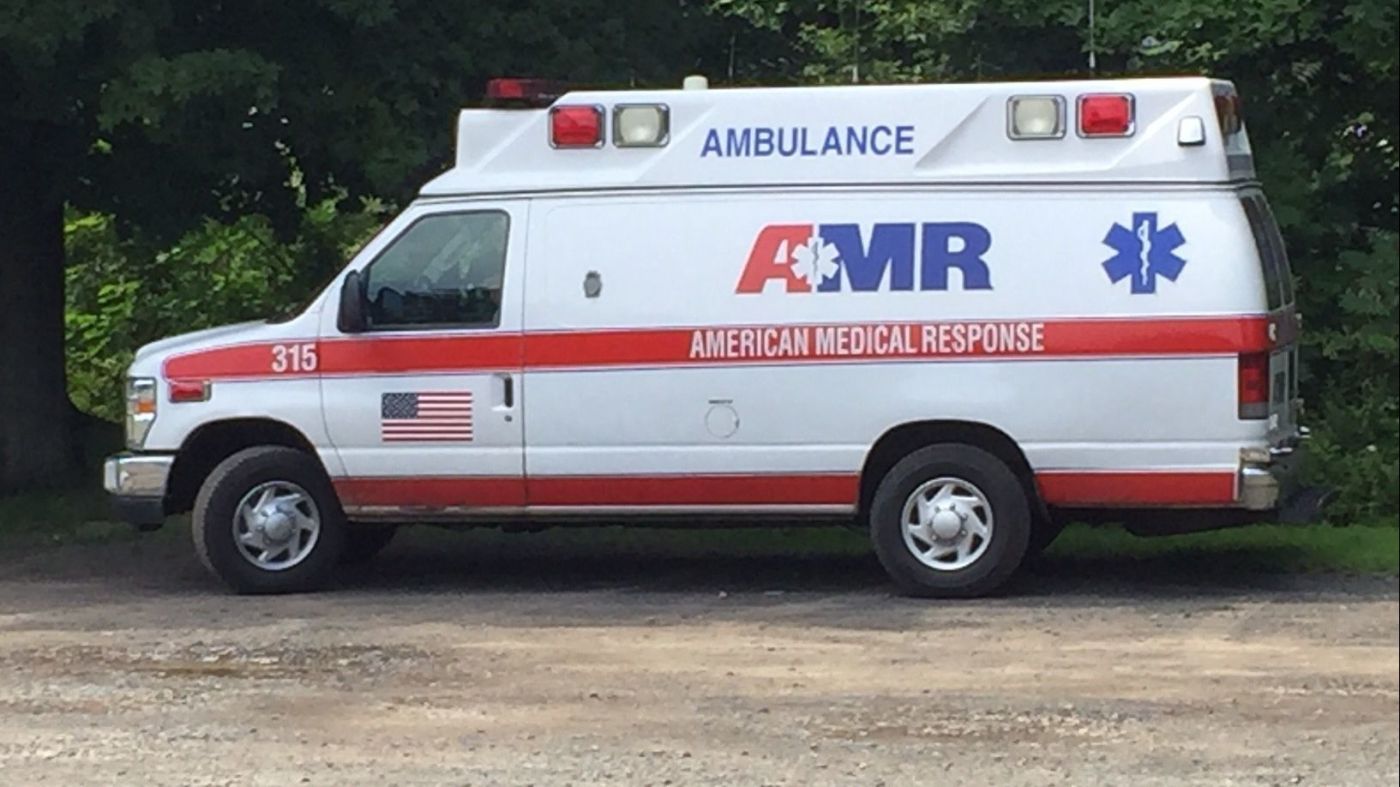
The holiday season poses significant risks for heart health, with cardiac emergencies increasing sharply during this time. According to a report from American Medical Response (AMR), incidents of heart-related emergencies rise by more than 30% on Christmas Eve, making it the busiest day of the year for their services. This spike aligns with findings from the American Heart Association, which indicates that the majority of cardiac deaths in the United States occur during the last week of December.
Dr. Ed Racht, Chief Medical Officer at Global Medical Response, emphasized the importance of recognizing warning signs during the festive period. “Throughout the holidays, we often see people ignore warning signs of heart trouble because they don’t want to disrupt family celebrations,” he stated. Symptoms such as chest pain, a racing heartbeat, or sudden collapse could indicate serious conditions like heart attacks or cardiac arrest. Immediate action is crucial; if these signs appear, calling 911 without delay is essential.
Factors Increasing Cardiac Risks
Several factors contribute to the heightened cardiac risk during the holiday season. AMR identifies key elements including:
– **Overeating and high-salt meals**: These can increase blood pressure significantly.
– **Increased alcohol consumption**: This puts additional strain on the heart and can trigger dangerous arrhythmias.
– **Emotional stress**: The pressures of travel and family dynamics can elevate stress levels.
– **Cold temperatures**: Chilly weather forces the heart to work harder.
– **Delays in seeking medical care**: Many individuals may hesitate to leave holiday gatherings or travel.
Cardiac arrest, a critical condition where the heart suddenly stops beating, can occur without warning. This medical emergency interrupts blood flow to vital organs, necessitating immediate attention. AMR advises that if cardiac arrest occurs, it is vital to call 911, commence CPR, and use an Automated External Defibrillator (AED) if available.
Early intervention can significantly enhance survival rates. Many communities provide training on CPR, equipping families with the skills to respond effectively in emergencies.
Recognizing Heart Attack Symptoms
Heart attacks occur when blood flow to part of the heart is obstructed. While the heart may continue to beat, it often does so irregularly. Dr. Racht highlighted the importance of rapid response: “The priority is to call emergency services immediately and keep the person as calm as possible.”
Warning signs of a heart attack include:
– Chest pain, pressure, or discomfort
– Pain radiating to the arms, jaw, neck, or back
– Sudden shortness of breath
– Lightheadedness, fainting, or confusion
– Cold sweats, nausea, or vomiting
– A new or worsening irregular heartbeat
Notably, nearly 1 in 4 heart attacks go unrecognized, particularly among women, due to subtle symptoms that can mimic less severe conditions, such as nausea or shoulder aches. Dr. Racht advises, “If you’re questioning whether to call 911, that’s often your answer.”
When emergency services are contacted for a suspected cardiac emergency, EMS clinicians can initiate life-saving care within minutes. Depending on local protocols, they may perform a 12-lead ECG, start IV access, provide oxygen therapy, and notify hospitals of the impending arrival of a patient.
“Rapid treatment significantly improves survival,” Dr. Racht noted, warning against the risks of self-transporting to medical facilities.
Preventive Measures for a Healthy Holiday
To reduce cardiac risks during the festive season, individuals are encouraged to:
– Keep meals and alcohol consumption within moderation
– Stay hydrated
– Adhere to prescribed medications
– Avoid sudden heavy exertion in cold weather
– Ensure adequate rest amid seasonal stress
– Check in on older relatives or loved ones with existing heart conditions
Dr. Racht also emphasizes the benefits of laughter, stating, “As the saying goes, ‘Laughter is the best medicine.’ This season, it truly is.” Laughter can relax and expand blood vessels, increasing blood flow by up to 20%. By prioritizing joy and shared moments, families can support their heart health.
In conclusion, while the holiday season brings opportunities for celebration, it also necessitates vigilance regarding heart health. By recognizing symptoms and taking preventive measures, individuals can enjoy a festive period that is both joyful and heart-healthy.