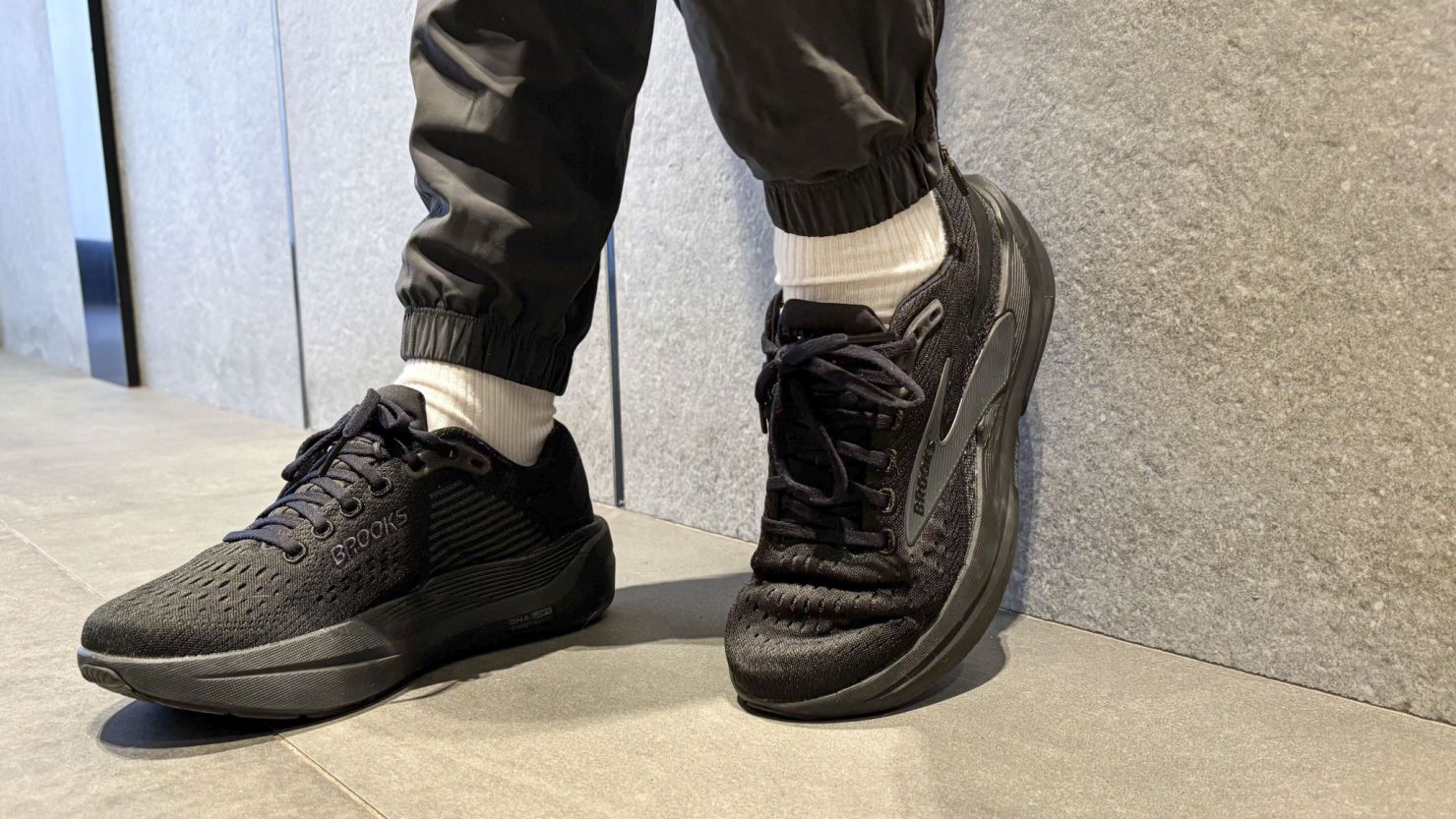
Health care professionals often endure long hours on their feet, making the right footwear essential for maintaining comfort and preventing fatigue. Nurses and doctors rely on their experiences to recommend the best shoes for both work and leisure. This article highlights top recommendations from health care workers and podiatrists, providing insights into the best footwear options available.
Top Recommendations for Comfortable Footwear
Nurses frequently report on the importance of selecting shoes that provide adequate support and cushioning. Among the recommended brands are stylish Hoka walking shoes, durable slip-on Skechers, and versatile Asics sneakers, which are also suitable for marathon training. These options cater to those who spend extended periods on their feet, making them ideal for health care settings or any profession requiring all-day standing.
According to podiatrists, the primary feature to consider when choosing shoes is high-quality cushioning. Dr. Nicole Freels emphasizes that extra padding in the insoles and heel cups can help reduce fatigue and enhance comfort during long shifts. A well-cushioned outsole absorbs shock, alleviating stress on joints that typically bear the brunt of standing for hours.
Choosing lightweight shoes is another crucial factor. Freels notes that lighter footwear minimizes overall strain on the feet and legs, ultimately contributing to a more comfortable day. Many athletic shoe designs incorporate lightweight materials, such as EVA or nitrogen-infused foam, which provide cushioning without compromising on comfort.
Arch support is particularly critical for individuals experiencing discomfort in their feet. Freels advises those with varying arch types to consult a podiatrist for personalized recommendations, which may include custom inserts for enhanced support.
Prioritizing Safety and Hygiene
In addition to comfort, safety features are paramount in health care environments. Freels points out that slip-resistant outsoles are essential to prevent falls in potentially hazardous settings, such as hospitals. Shoes designed for medical professionals often include rubber outsoles with additional tread for improved grip. Furthermore, materials that are easy to clean are preferred, given the possibility of exposure to bodily fluids or other contaminants.
The insights provided by professionals are invaluable for anyone seeking supportive footwear. To ensure comfort and health, it is advisable to consider these recommendations when making footwear choices, whether for a demanding job or regular physical activities.
The recommendations in this article were compiled with contributions from CNN Underscored health and fitness editor Summer Cartwright, who interviewed health care workers and podiatrists to gather expert opinions. With her background as a certified running coach, Cartwright adds a wealth of knowledge about footwear performance.
Investing in quality shoes can significantly impact comfort levels during strenuous work hours or workouts. With insights from health care professionals, selecting the right shoes becomes a more informed and beneficial process.