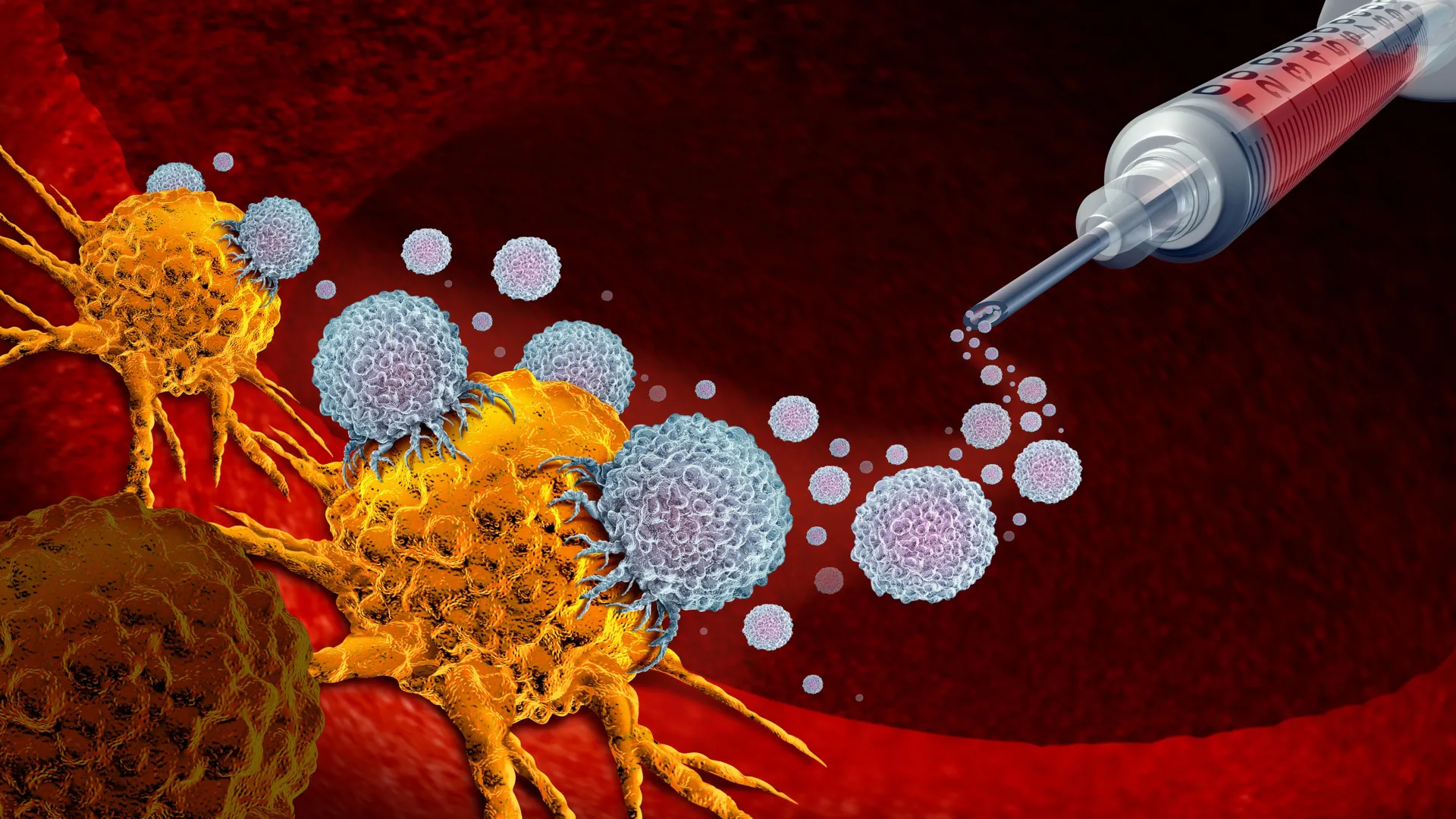
A clinical trial involving a cancer vaccine initiated two decades ago has yielded remarkable long-term results. All participants, women diagnosed with advanced breast cancer, are still alive today, an extraordinary outcome given the aggressive nature of metastatic disease. Researchers at Duke Health have identified significant immune responses in these women, suggesting that the immune system retains memory capabilities crucial for cancer recognition.
The trial, led by Herbert Kim Lyerly, M.D., revealed that the participants’ immune systems produced long-lasting memory cells capable of identifying their cancer. These cells expressed a marker known as CD27, which plays a vital role in the immune system’s ability to remember past threats. The findings, published in the journal Science Immunology, indicate that targeting CD27 could enhance the effectiveness of cancer vaccines, which may have previously lacked this critical element.
Enhancing Immune Response in Laboratory Studies
To build on this discovery, the research team conducted experiments with mice. They combined a HER2-targeting vaccine with an antibody designed to activate CD27. The results were striking: nearly 40% of the mice treated with this combined approach experienced complete tumor regression, compared to only 6% of those that received the vaccine alone. The CD27 antibody significantly boosted the activity of CD4+ T cells, a type of immune cell that has generally received less attention in cancer research.
According to Zachary Hartman, Ph.D., senior author of the study and associate professor at Duke University, CD4+ T cells, often referred to as “helper” cells, play a crucial role in maintaining lasting immune memory and enhancing the effectiveness of other immune responses. This study challenges the prevailing focus on CD8+ “killer” T cells, suggesting that CD4+ T cells are equally important in combating cancer.
Potential for Future Cancer Treatments
The research team found that administering the CD27 antibody just once, alongside the vaccine, produced sustained effects. This simplicity could facilitate the integration of this approach with existing cancer therapies, such as immune checkpoint inhibitors and antibody-drug conjugates currently used in clinical settings. Hartman expressed optimism about the implications of their findings, stating, “We’ve known for a long time that vaccines can work against cancer, but they haven’t lived up to the hype. This could be a missing piece of the puzzle.”
The implications of this research are significant, particularly for the future of cancer vaccines. Funding for the study was provided by the National Institutes of Health and the Department of Defense. With the potential to enhance vaccine efficacy and improve patient outcomes, this research represents a promising advancement in the ongoing battle against cancer.