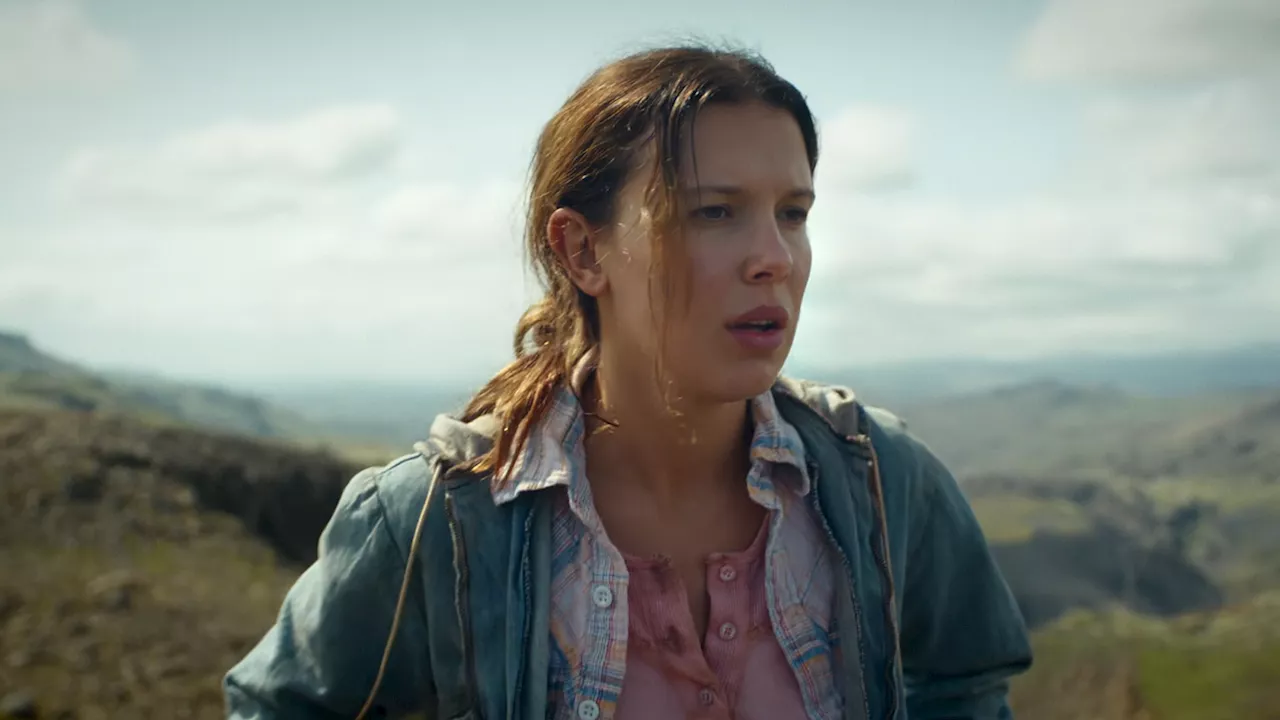
The highly anticipated finale of “Stranger Things,” titled “The Rightside Up,” has brought the beloved series to a dramatic close, intertwining the fate of its characters with the overarching battle against Vecna and the mysteries of the Upside Down. The two-hour and eight-minute episode not only wraps up significant plotlines but also leaves viewers questioning the fate of Eleven, portrayed by Millie Bobby Brown.
As the story unfolds, the episode delves into the origins of Henry Creel, revealing his long-standing connection to the Mind Flayer. This relationship complicates the narrative, as it becomes clear that both Vecna and the Mind Flayer must be defeated to restore peace. The emotional stakes are high, with Eleven’s sister, Kali, tragically killed during the climactic battle. The creators, Matt Duffer and Ross Duffer, have crafted an ending that invites viewers to ponder whether Eleven perished alongside the destruction of the Upside Down or found a new life away from Hawkins.
In discussions about the finale, the Duffer Brothers highlighted their intention to maintain ambiguity surrounding Eleven’s fate. While characters express hope for her survival, the creators emphasize that there is no definitive answer. “What we wanted to do was confront the reality of what her situation was after all of this,” Matt Duffer stated. The finale explores two potential paths for Eleven: one dark and pessimistic, the other hopeful. Ultimately, the Duffer Brothers chose to create an ending that emphasizes belief and hope rather than closure.
The episode also reveals the backstory of Henry and his connection to the Mind Flayer. This narrative thread is explored further in a supplementary play, which adds depth to his character without being essential for understanding the main storyline. As viewers learn about Henry’s struggles with his identity and his eventual alignment with the Mind Flayer, the Duffer Brothers leave room for speculation about whether his choices were truly his own or influenced by external forces.
In addition to Eleven and Henry, the finale provides individual sendoffs for the main cast, reminiscent of an extended epilogue. Each character’s journey concludes with a sense of growth and resolution. Dustin prepares for college while maintaining his friendship with Steve. Will finds acceptance in a new town, and Lucas and Max settle down together. Meanwhile, Mike pursues his passion for storytelling.
The older generation also receives their farewells. Steve remains in Hawkins, coaching little-league, while Nancy takes on a trainee position, reflecting her independent spirit. The Duffer Brothers ensured that the paths chosen for these characters align with their established arcs throughout the series.
The finale’s emotional weight is further enhanced by key moments between characters, such as the bond between Steve and Jonathan. A pivotal scene sees Jonathan saving Steve during a dangerous encounter, emphasizing their evolving friendship. “It wasn’t designed to torture fans who are terrified that Steve is gonna die,” Matt Duffer clarified. Instead, it showcases the deepening connection between the two characters.
As the story wraps up, Joyce and Hopper also decide to leave Hawkins behind, seeking a fresh start after their tumultuous experiences. Hopper is offered a position as chief of police in Montauk, a location originally intended to be the setting for the series. This decision symbolizes a new chapter for them, allowing them to move forward from their past.
Despite the resolution for many characters, some remain open-ended. The fate of Robin’s girlfriend, Vickie, is left unaddressed, intriguing viewers and leaving room for future exploration. The series finale also incorporates the iconic song “Heroes” by David Bowie, contributing to the emotional resonance of the concluding moments.
In the end, “Stranger Things” has managed to close its chapter while leaving a lasting impact on its audience. The finale invites viewers to reflect on themes of belief, hope, and the journey from childhood to adulthood. As the Upside Down and Hawkins fade into the background, the enduring friendships and experiences of the characters remain at the forefront, ensuring that their stories will resonate long after the credits roll.