Former U.S. President Donald Trump has pledged to roll back environmental regulations affecting the oil and gas industry, a move that has drawn significant attention in the context of the ongoing 2024 campaign. Speaking at a fundraising event at his Mar-a-Lago estate, Trump promised wealthy oil executives that if they contributed $1 billion to his campaign, he would eliminate regulations that they argue hinder their profitability.
This commitment comes as the fossil fuel sector has already achieved remarkable profits in recent years, despite the increasing push for clean energy solutions under the Biden administration. Many in the industry feel that the current administration’s policies have unfairly targeted them, claiming that regulations have been overly burdensome. Trump’s recent remarks suggest that he is willing to foster a more favorable environment for these companies.
Trump’s Strategy to Benefit Oil Companies
During the Mar-a-Lago meeting, Trump referred to the agreement with oil executives as a “deal,” asserting that their financial contributions would lead to significant returns. He emphasized that his administration would prioritize their interests, ensuring that no resources would be left untapped. This approach has raised concerns among environmental advocates, who argue that it prioritizes corporate profits over the urgent need for climate action.
Following a military operation in Venezuela, which reportedly resulted in the deaths of around 75 individuals and the capture of its president, Trump called for “total access” to the country’s oil reserves, promising to allocate these resources to U.S. oil companies. Such statements have intensified scrutiny over his administration’s foreign policy and its implications for global oil markets.
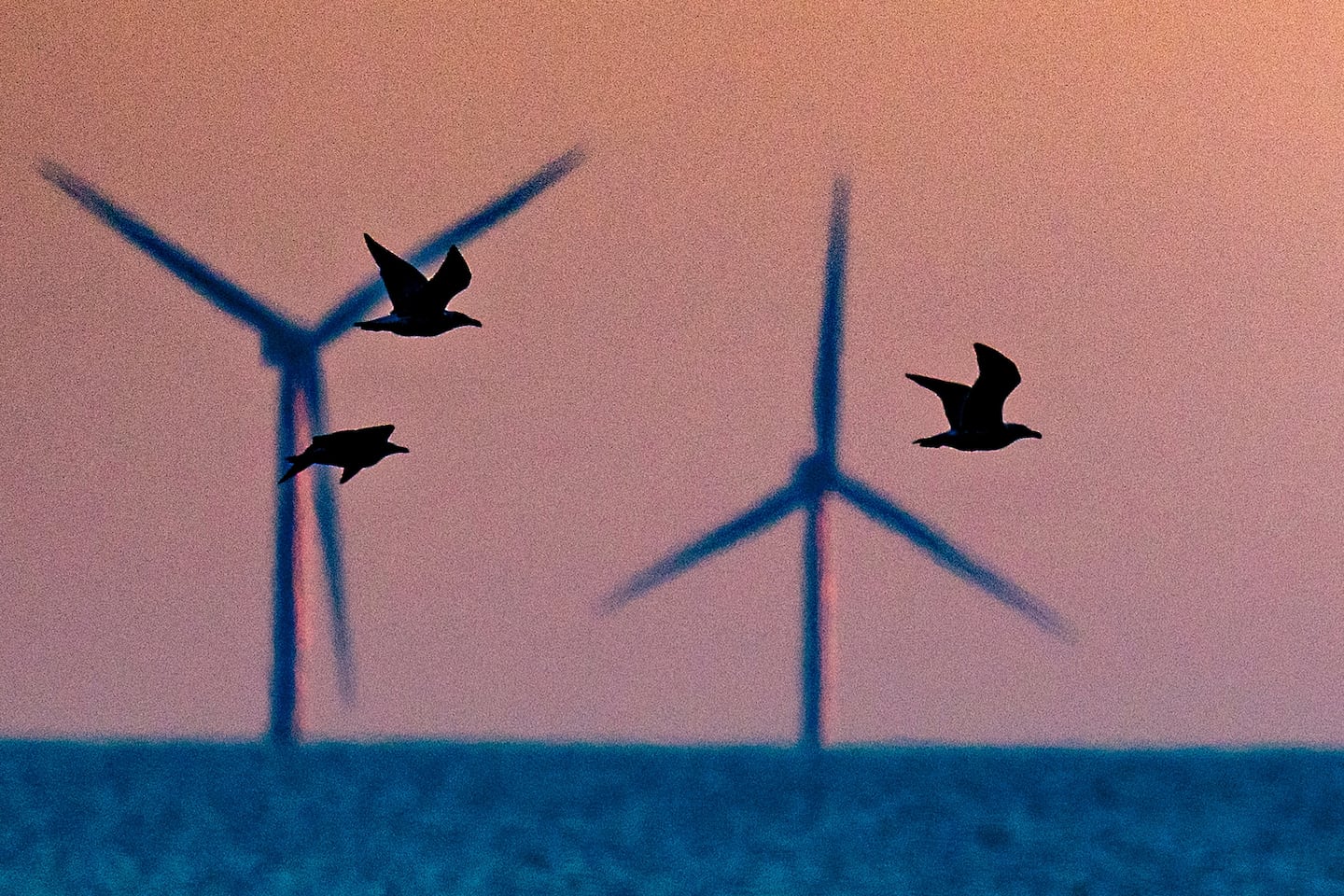
In addition to supporting oil interests, Trump has also taken steps to curb the growth of renewable energy projects. His administration recently suspended leases for five wind farms off the East Coast, projects that were expected to provide electricity to approximately 2 million homes. The Interior Department cited national security concerns for the suspension, although critics argue that these projects had already undergone rigorous federal permitting processes.
Impact on Renewable Energy and Job Creation
The suspension of these wind projects has raised alarms among clean energy advocates and local communities. For instance, the Vineyard Wind project, which is already operational, supplies power to around 200,000 homes and has created approximately 4,000 jobs in construction. Another project, Revolution Wind, was nearing completion and expected to support about 1,200 jobs in Rhode Island and Connecticut.
Industry experts and environmental groups warn that halting these projects could lead to an unreliable energy system in New England, increasing the risk of brownouts and blackouts. According to Kate Sinding Daly, senior vice president for law and policy at the Conservation Law Foundation, the region’s energy economy could face significant vulnerabilities without the expansion of renewable resources.
As the transition to clean energy remains a pressing global issue, many observers note that oil companies recognize the long-term inevitability of this shift. Despite their current profitability, they are increasingly focused on maintaining their market share for as long as possible. Sinding Daly emphasizes that the U.S. cannot afford to ignore the growing momentum toward renewable energy, stating, “Energy transition is inevitable, so they are going to try to keep oil and fossil fuel alive as long as they can.”
In an era where clean energy solutions are becoming more prevalent across the globe, the actions taken by Trump and his administration could have profound implications for both the environment and the economy. As the 2024 election approaches, the dialogue surrounding energy policy will undoubtedly continue to evolve, with significant consequences for both industry and consumers.