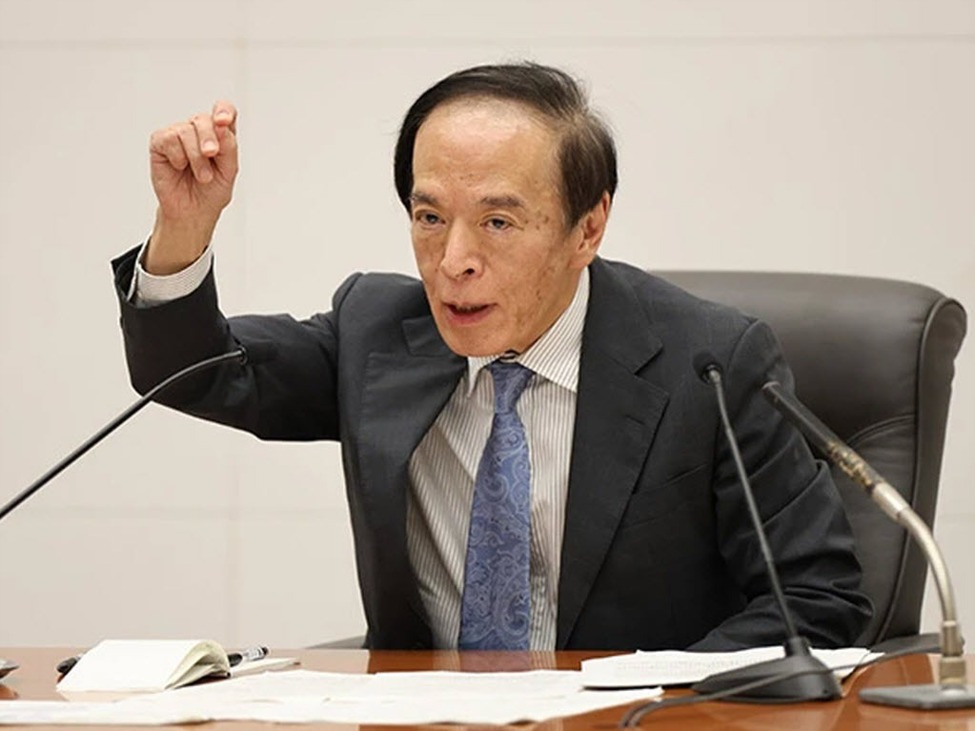
The Governor of the Bank of Japan, Haruhiko Ueda, expressed optimism about the country’s economic outlook, predicting a return to positive growth in the fourth quarter of 2023 and beyond. Speaking recently, Ueda indicated that the central bank’s gradual adjustments to its easing measures are aligned with expectations of inflation converging towards the bank’s target of 2%.
Ueda’s comments come as Japan grapples with various economic challenges, including fluctuating consumer prices and global economic pressures. His confidence in a rebound is rooted in the belief that underlying economic components are showing signs of improvement, which could pave the way for sustainable growth.
Gradual Easing Measures in Focus
In his address, Ueda highlighted the Bank of Japan’s strategy to slowly adjust the degree of monetary easing. This approach aims to balance support for the economy while addressing rising inflation. The BoJ has maintained an ultra-loose monetary policy for several years, which has contributed to Japan’s recovery from the pandemic’s economic impact.
Ueda stated, “Because we are foreseeing convergence to 2% of the underlying component, we’ve been adjusting the degree of easing slowly.” Such statements reflect the bank’s cautious yet proactive stance in navigating the current economic landscape.
Analysts will closely monitor the BoJ’s actions as the fourth quarter approaches. The anticipated growth is crucial not only for Japan’s recovery but also for the broader Asia-Pacific region, where economic interdependencies are significant. Sustained growth in Japan could positively influence trade and investment flows across neighboring countries.
Market Reactions and Future Implications
Market participants reacted to Ueda’s remarks with interest, as they may signal potential shifts in monetary policy. Investors are particularly attentive to how the BoJ’s decisions will impact the Japanese yen and broader financial markets.
The outlook for Q4 2023 is critical, as Japan seeks to regain momentum after a prolonged period of economic challenges. If the predicted growth materializes, it could strengthen consumer confidence and enhance spending, further bolstering the economy.
As the situation develops, Ueda’s leadership will be pivotal in steering Japan towards a more stable economic future. The Bank of Japan’s commitment to monitoring inflation and adjusting policies accordingly remains central to achieving these goals.
In summary, Ueda’s forecast for positive growth in the coming months reflects a cautious optimism that the Japanese economy is on the right track, supported by strategic adjustments in monetary policy.