








































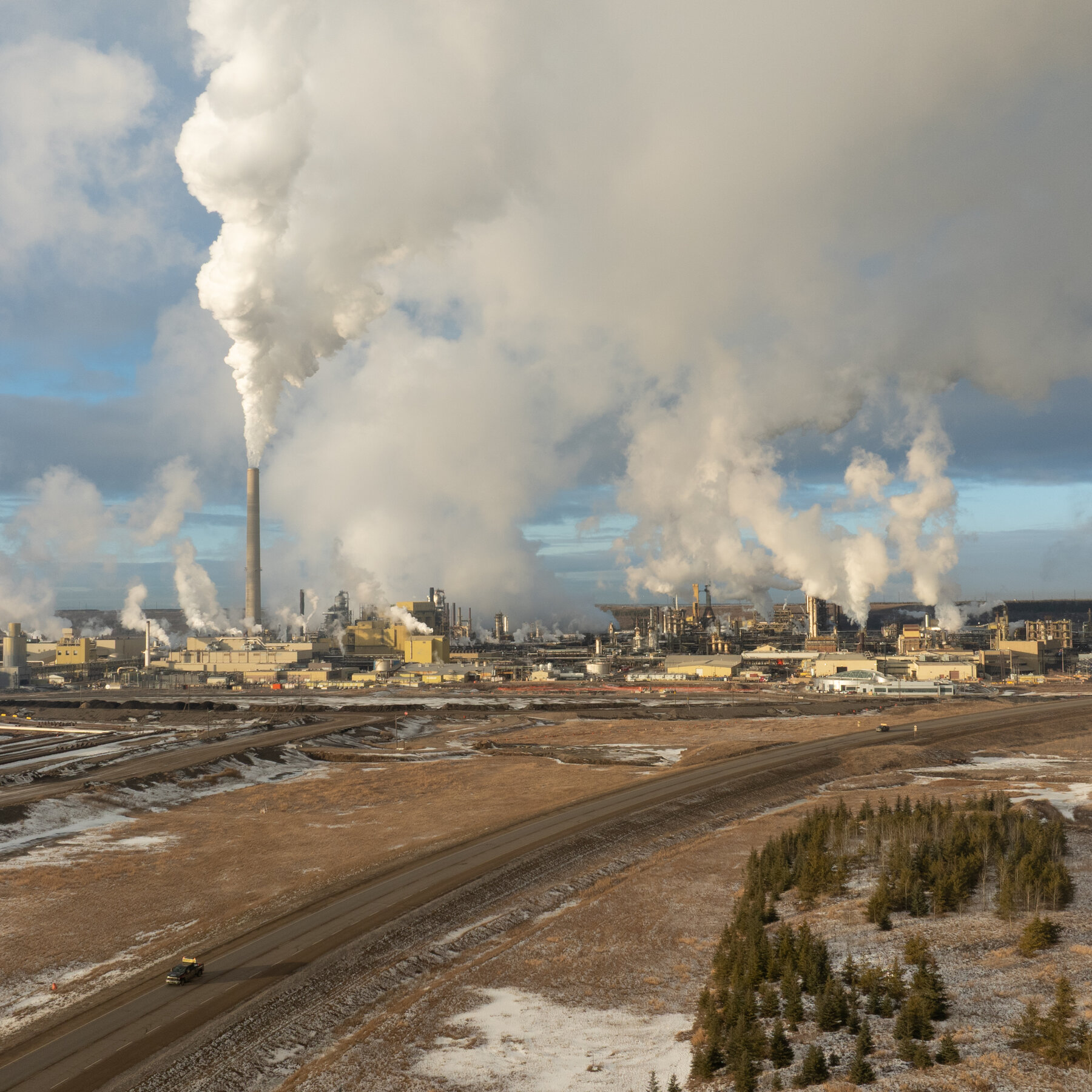
URGENT UPDATE: New reports confirm that the Canadian government is considering regulations that may allow energy giants to release treated mining waste into rivers, raising alarm among Indigenous communities already grappling with alarming cancer rates. This pivotal decision comes as health concerns escalate in regions surrounding the vast oil sands of Alberta.
The potential policy shift is under intense scrutiny, especially as data reveals that Indigenous populations living near these oil sands face significantly higher rates of cancer compared to the national average. Officials are set to discuss these controversial rules during a meeting scheduled for October 30, 2023, emphasizing the urgent need for environmental and health protections.
Why This Matters NOW: The proposed regulations could have immediate and far-reaching impacts on the health of communities already suffering from the effects of industrial pollution. Residents are expressing deep concern over the government’s prioritization of energy production over public health. Indigenous leaders are calling for a comprehensive review of the implications of releasing mining waste into the river systems that are vital to their communities’ survival.
Details: The Canadian government’s discussions come in the wake of mounting evidence linking industrial activities in the oil sands region to elevated cancer incidences among nearby Indigenous groups. Recent studies suggest that cancer rates in these communities are as much as 30% higher than in other parts of Canada, raising urgent questions about environmental justice and the safeguarding of public health.
Local advocates and health experts are demanding transparency and accountability from energy companies and the government, urging them to prioritize health over economic growth. “We cannot sacrifice our people’s health for the sake of profits,” said a spokesperson for the Indigenous community.
Context: The oil sands project in Alberta is a significant contributor to Canada’s economy, but it poses severe environmental risks, including water contamination and habitat destruction. As energy demands continue to rise, the debate over waste management practices has intensified, with Indigenous communities often caught in the crossfire.
Next Steps: As the Canadian government prepares to meet on October 30, activists and health advocates will be closely monitoring the discussions. They are mobilizing to ensure that Indigenous voices are heard and that any new regulations protect their health and environment.
This developing story underscores the urgent need for a balanced approach to energy production that prioritizes the health of vulnerable communities. Stay tuned for more updates as this critical situation unfolds, and consider sharing this urgent news to raise awareness about the health crisis facing Indigenous communities in Canada.
























