








































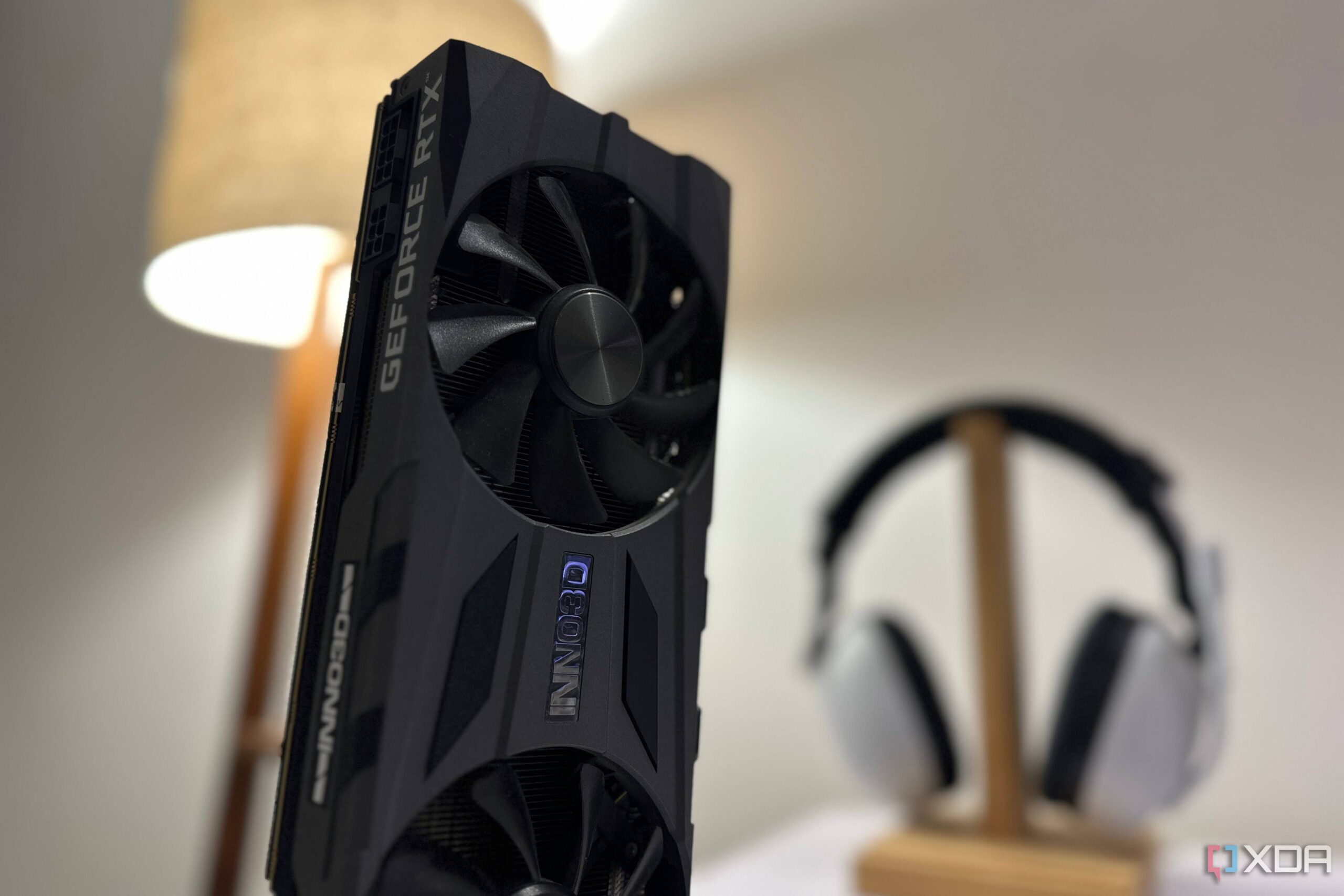
URGENT UPDATE: New reports confirm that Nvidia’s older GPUs are outperforming AMD’s in longevity and market value, shifting perspectives in the used graphics card arena. As of October 2023, users are discovering that Nvidia’s older models deliver superior stability and performance, leading to a surge in demand for these cards.
The evolution of the graphics card market has taken a dramatic turn. For the past five to six years, AMD has dominated the VRAM battle, but recent trends indicate that Nvidia’s older GPUs are now providing better long-term value. This shift is crucial for gamers and budget builders who rely on reliable performance from their hardware.
Nvidia’s strategy of investing in software optimization is paying off. With a focus on driver maturity and ongoing support, cards like the GeForce GTX 1660 Ti and RTX 2070 are thriving well into 2026. Users report fewer issues with compatibility and performance, highlighting Nvidia’s effective driver updates that continually enhance older models.
Conversely, while AMD has made strides in driver performance, many users feel that the updates have been more corrective than revolutionary. The perception persists that Nvidia cards, particularly those from the RTX series, simply encounter fewer “this game hates my GPU” moments.
One of the main factors driving Nvidia’s success is its innovative technology, specifically DLSS (Deep Learning Super Sampling). As AMD focused on increasing VRAM capacity, Nvidia’s investment in tensor cores and AI capabilities has set a new industry standard. Cards from the RTX 20 and 30 series are now positioned to support evolving game design, making them more relevant in a rapidly changing gaming landscape.
In the used card market, the preference is clear: an RTX 2080 outshines a Radeon RX Vega 64 in terms of resale value and performance. Gamers can run the latest AAA titles at medium-to-high settings while enjoying the benefits of DLSS technology, achieving stable frame rates of 60 FPS or more. This performance gap underscores the demand for Nvidia’s older models, which continue to deliver on both power and efficiency.
Nvidia’s dominance in the used market reflects a shift in consumer confidence. With prices of PC parts soaring, investing in an RTX 30-series card or even a 2080 model is more appealing than ever. The 8GB VRAM capacity of these cards is still adequate for gaming at both 1080p and 1440p, challenging the notion that newer is always better.
The narrative that AMD’s VRAM superiority would lead to sustained dominance has begun to fade. Historical matchups, such as the GeForce RTX 2070 versus Radeon RX 5700 XT, showcased AMD’s value, but the long-term support and adaptability of Nvidia’s architectures have proven essential for maintaining relevance in the market.
As consumers seek stability in their gaming systems, the need for longevity and consistent performance is more vital than ever. Nvidia’s commitment to updating and optimizing older GPUs has kept them in the conversation, while AMD struggles to catch up.
Moving forward, it’s crucial for gamers and PC builders to consider not just the specifications on paper, but also the ecosystem surrounding their graphics cards. Nvidia’s strategy has ensured that its older GPUs remain competitive and continue to meet the demands of modern gaming, reinforcing their place in an ever-evolving market.
As the used GPU market evolves, Nvidia’s older models are emerging as the preferred choice, signaling a significant shift in gamer preferences and hardware investment strategies. Stay tuned for more updates as this story develops.
























