








































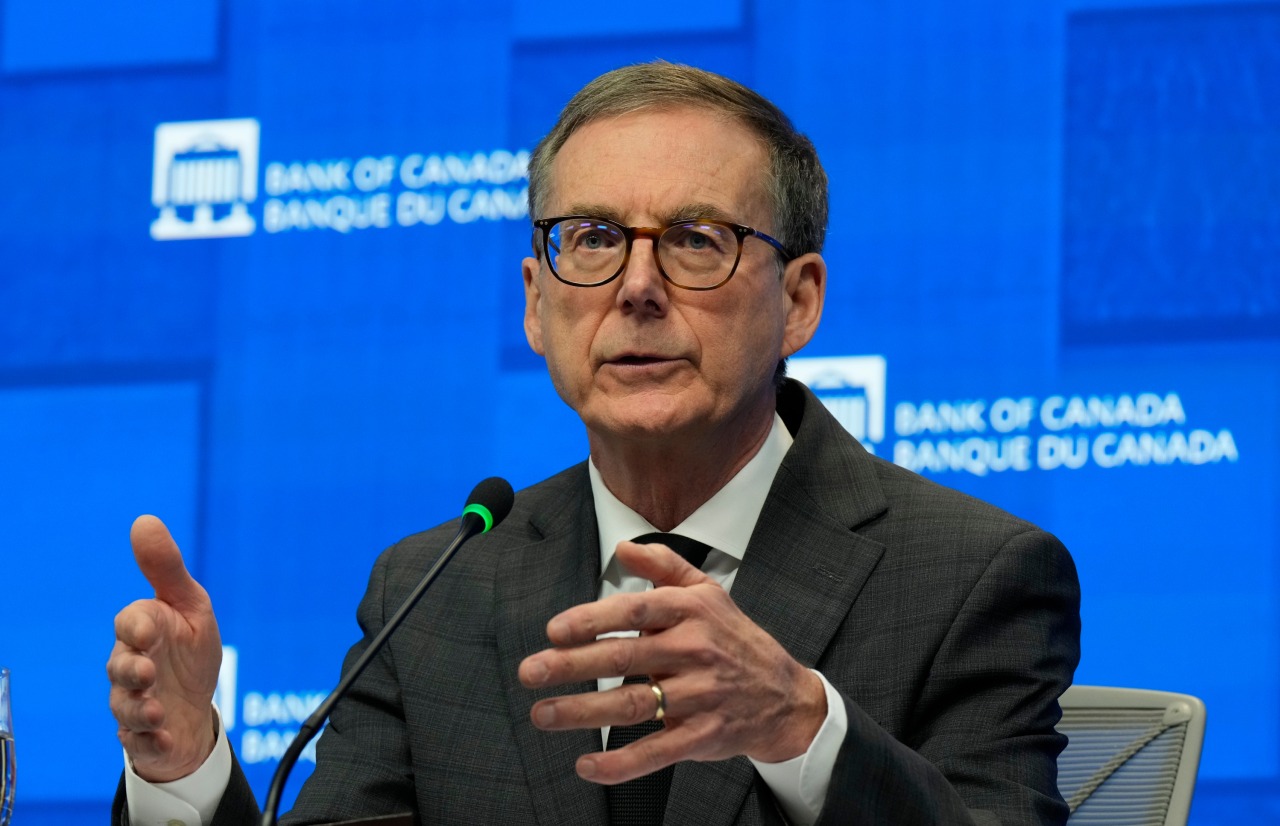
The Governor of the Bank of Canada, Tiff Macklem, expressed concerns regarding the potential misdiagnosis of economic weakness in Canada. In a recent address, he warned that cutting interest rates too soon could have unintended consequences, particularly as the economy continues to adapt to challenges such as U.S. trade friction and rapid technological changes.
Macklem emphasized that while some economic indicators may suggest a slowdown, the underlying fundamentals remain robust. He pointed out that the Canadian economy is navigating a complex landscape shaped by external factors, including shifts in global trade dynamics and advancements in technology. The Governor’s remarks come as central banks worldwide grapple with the balance between stimulating growth and managing inflation.
Concerns About Rate Cuts
During his speech, Macklem highlighted the risks associated with preemptive rate cuts. He stated, “Lowering interest rates could backfire if we misinterpret the current economic situation.” His comments reflect a cautious approach to monetary policy, particularly as inflation remains a pressing issue. The Bank of Canada aims to ensure that its decisions are informed by comprehensive analysis rather than short-term fluctuations.
The central bank has raised interest rates several times since 2022 to combat inflation, which peaked at around 8% earlier in the year. Currently, inflation rates have moderated, but there are concerns that a rapid reduction in rates could lead to renewed upward pressure on prices. Macklem noted that the technology sector, which has been a significant driver of growth, is also experiencing shifts that could impact overall economic performance.
Macklem’s warning underscores the delicate balance policymakers must maintain in a rapidly changing economic environment. He urged caution and emphasized the need for ongoing assessment of both domestic and international economic conditions.
Adapting to Global Changes
The Governor also addressed the implications of U.S. trade friction, which has created uncertainty for Canadian exporters. As the U.S. navigates its own economic challenges, including inflation and labor market fluctuations, Canadian businesses must adapt to these external pressures. Macklem highlighted the importance of resilience in the face of such challenges, stating that “Canada’s economy has historically shown strength in adapting to global changes.”
Macklem’s address comes as Canada’s economy is projected to grow modestly in 2023, at a rate of approximately 1.5%. Economic analysts suggest that while growth is expected, it may not reach pre-pandemic levels immediately. This gradual recovery has prompted discussions about the appropriate timing for any potential adjustments to interest rates.
In conclusion, Tiff Macklem’s remarks serve as a reminder of the complexities involved in economic management during turbulent times. As the Bank of Canada navigates these challenges, it remains committed to fostering a stable economic environment while being vigilant about the potential risks of misjudging the economic landscape. The central bank’s decisions in the coming months will be closely watched as stakeholders seek guidance on the path forward for the Canadian economy.
























