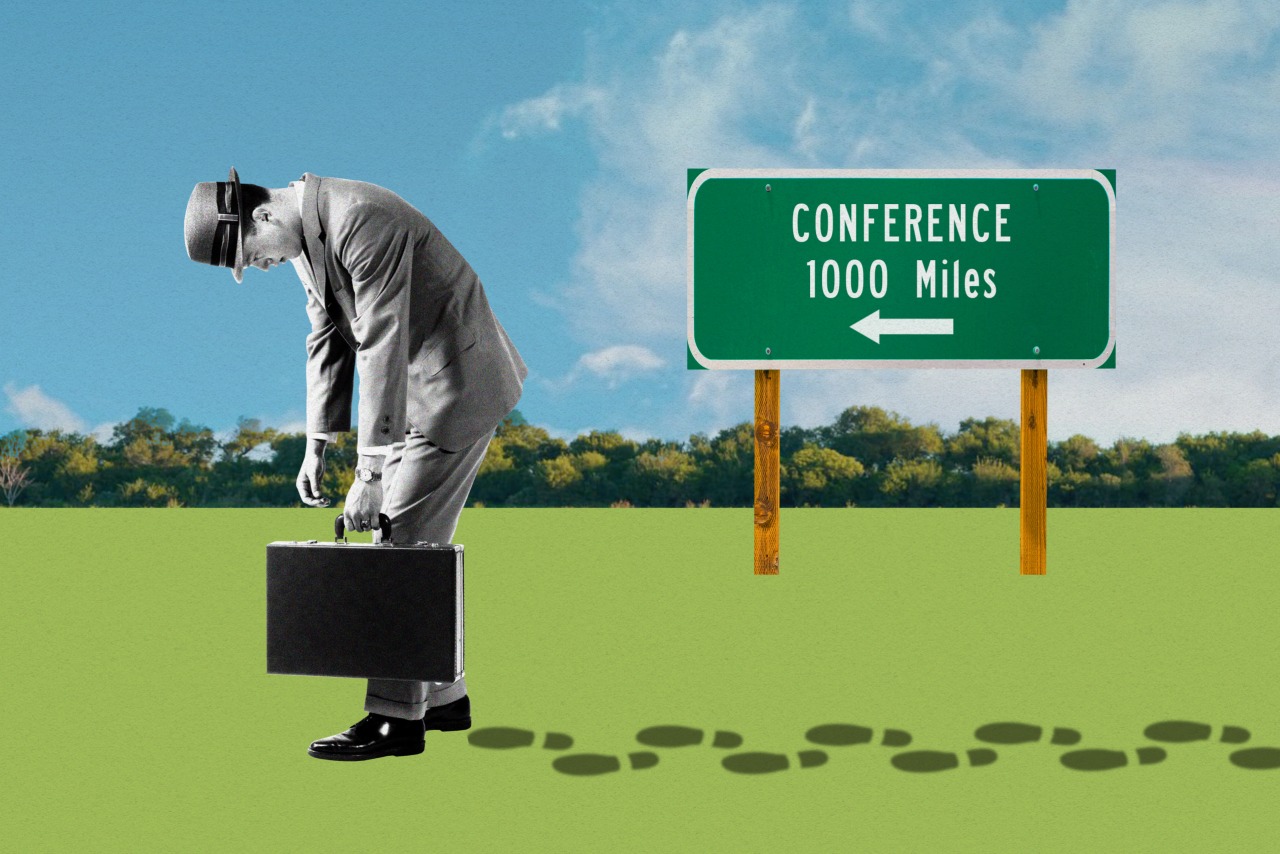
As employees navigate a post-pandemic work landscape, a new trend termed “travelscrimping” is emerging. This phenomenon reflects a shift in how workers are approaching business travel, prioritizing cost-cutting measures and a more strategic view on travel expenses. With the pandemic reshaping work environments, many employees are reassessing the necessity of travel for business purposes.
The term “travelscrimping” encapsulates the cautious approach many employees are taking when it comes to business trips. Factors such as remote work flexibility and rising costs are prompting workers to seek alternatives to traditional travel. This shift not only impacts how employees engage with their roles but also how companies manage travel budgets and policies.
Rethinking Travel Policies
According to a recent report by the consulting firm McKinsey & Company, nearly 60% of employees indicated a desire to minimize travel expenses. This change is influencing corporate travel policies, with many companies reevaluating their approach to business trips. The rise of virtual meetings has allowed organizations to maintain productivity while reducing travel costs.
Moreover, the pandemic has instilled a greater awareness of work-life balance among employees. Many are advocating for a hybrid work model that supports remote work while still allowing for occasional in-person meetings. This trend is prompting businesses to adapt their travel policies accordingly, balancing cost efficiency with employees’ needs for collaboration and connection.
The impact of travelscrimping extends beyond travel arrangements. It reflects a broader cultural shift within organizations, where employees are encouraged to voice their preferences and seek out arrangements that align with their lifestyles. This shift has also catalyzed discussions about the importance of employee well-being and job satisfaction in the context of corporate policies.
Companies Adjust Hiring Strategies
As the landscape of work continues to evolve, many companies are also reversing the hiring surge experienced during the pandemic. A number of organizations, particularly in sectors that saw explosive growth, are now implementing hiring freezes or layoffs. This recalibration indicates a more cautious approach to workforce expansion.
Key sectors, such as technology and hospitality, are witnessing significant changes. Companies are prioritizing skills over sheer headcount, focusing on hiring individuals who can contribute to long-term goals rather than filling positions hastily. This strategy aims to create a workforce that is agile and prepared for future challenges.
In light of these changes, employees are encouraged to take an active role in their professional growth. The value of self-promotion and advocating for one’s achievements has never been more critical. As companies tighten their belts, workers who can demonstrate their value are likely to stand out in a competitive job market.
The evolving dynamics of travel and hiring reflect broader trends across the global workforce. As businesses and employees adapt to new realities, the emphasis on flexibility, cost-effectiveness, and employee satisfaction will continue to shape the future of work. In this context, the trend of travelscrimping serves as a reminder of the ongoing adjustments both employees and companies must make to thrive in an ever-changing environment.