








































Florida may soon prohibit its public universities from hiring foreign faculty on H-1B visas for one year, a move that critics warn could severely impact science departments across the state. The Florida Board of Governors is scheduled to vote on this proposed ban at its meeting in Tallahassee on Thursday. If approved, the rule will undergo two weeks of public comment before any final decision is made.
The H-1B visa program allows institutions and companies to recruit foreign professionals with at least a bachelor’s degree for specialized roles that are challenging to fill with domestic candidates. Currently, almost 400 employees at Florida universities hold H-1B visas, a situation that Governor Ron DeSantis has criticized. He previously referred to foreign professors as “cheap labor” and asserted that they are taking opportunities away from qualified Floridians.
Kathryn Jones, a biological science professor at Florida State University, contends that H-1B visa holders are essential for filling niche positions. “If you’re searching for someone who does cryo-electron microscopy or someone who works on a specific kind of genomics, there’s often not someone from a domestic background who comes up in that year as ready to go up for a job,” she explained.
Many faculty members on H-1B visas work in fields such as computer science, engineering, physics, and chemistry, disciplines that typically see fewer American graduates. According to the National Center for Science and Engineering Statistics, in 2023, approximately 60% of those who earned Ph.D.s in computer science from U.S. universities were temporary visa holders.
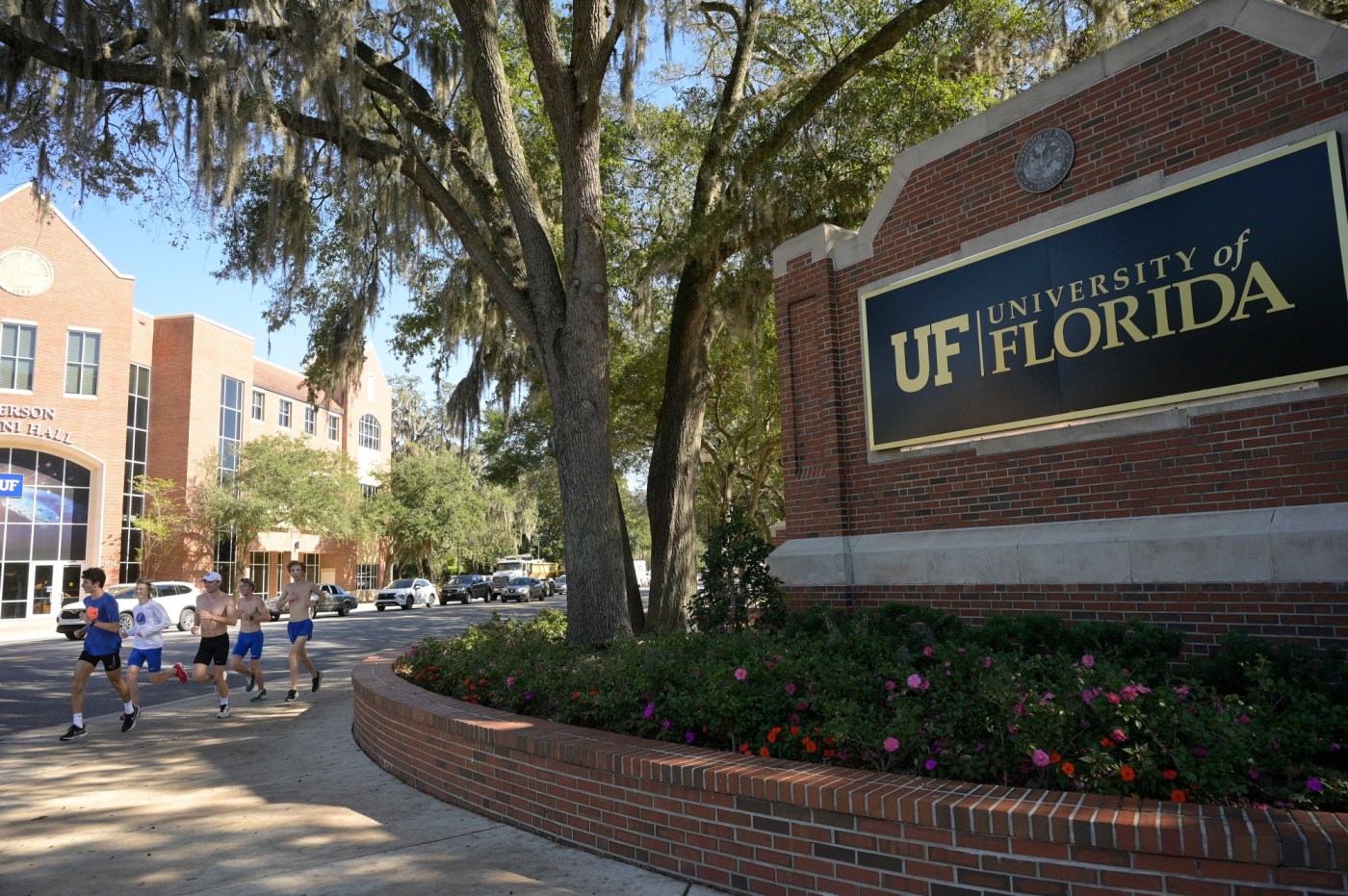
Florida’s public universities are significant users of the H-1B visa program, with the University of Florida employing 150 staff on these visas. Other institutions include 72 at the University of South Florida, 69 at Florida State University, 28 at the University of Central Florida, and 13 at Florida Atlantic University.
Jones emphasized the value of her foreign colleagues, many of whom transition from student visas to H-1B visas as a pathway to citizenship. “I would just hate to think that we wouldn’t have access to those sorts of colleagues anymore,” she stated.
The H-1B program affects over 7,200 employees in Florida, primarily at private companies. Support for the program has become a point of contention among political figures, including former President Donald Trump. In September, Trump announced significant increases in fees for individual H-1B visas, from $215 to $100,000, a cost typically borne by employers. He also claimed there had been “systematic abuse” of the program, a statement that has raised concerns among supporters and opponents alike.
The agenda item for the Board of Governors did not specify the rationale behind the proposed one-year ban. Observers are eagerly awaiting the outcome of the vote, as it could have lasting implications for Florida’s academic landscape.
This is a developing story, and updates will follow as more information becomes available.
























