








































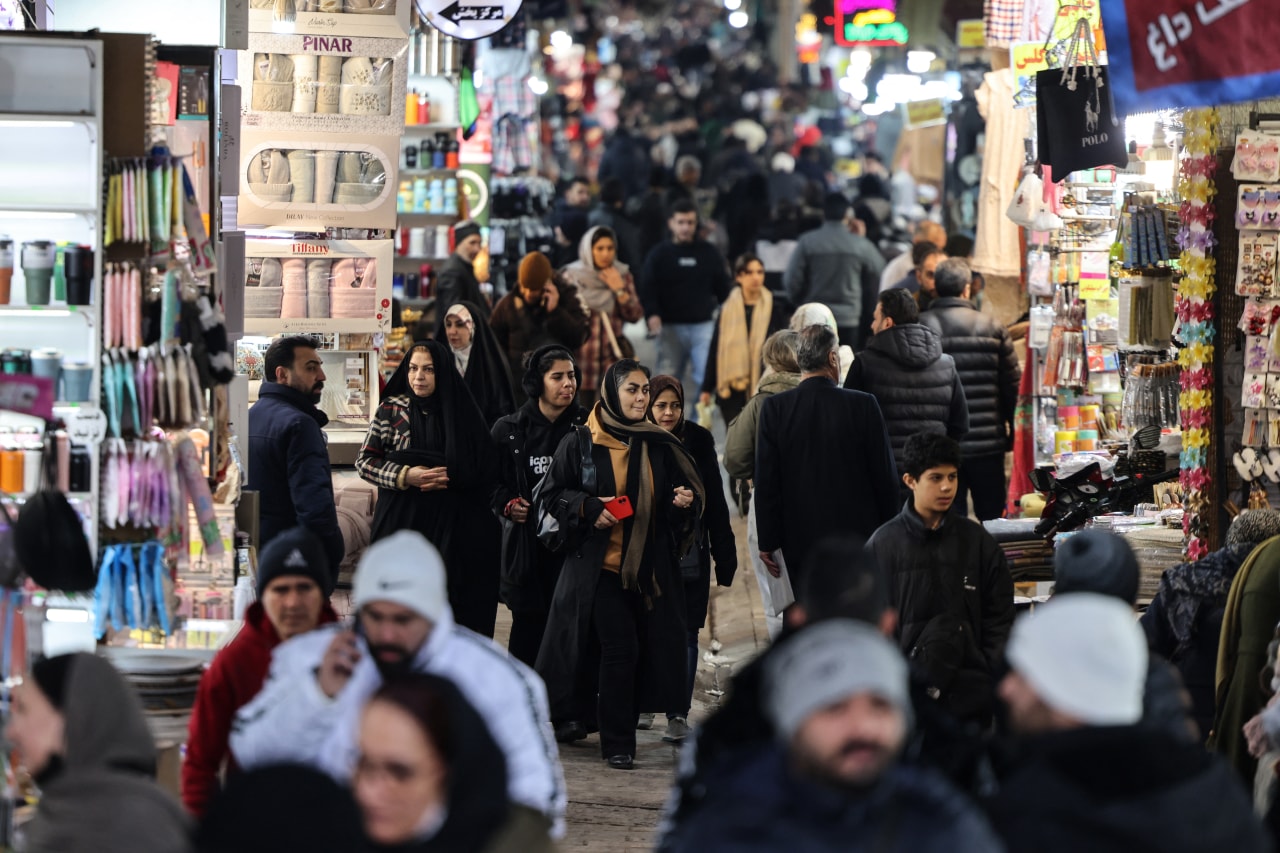
Recent developments indicate that the Azerbaijani community in Iran is increasingly integrating into the broader Iranian society, rather than fracturing along ethnic lines. This shift is particularly evident in urban areas, with many Azeris residing in major cities such as Tehran.
The trend has been highlighted by a 2023 survey, which reveals that a significant number of Azeris identify with mainstream Iranian culture while retaining elements of their own heritage. This phenomenon showcases a complex relationship between ethnicity and national identity in Iran.
Urban Life and Cultural Integration
In cities like Tehran, Azeris have found ways to blend their customs with those of the larger Iranian population. This assimilation is reflected in various aspects of daily life, from language use to participation in cultural events. Many Azeris now speak Persian fluently and engage in national celebrations, highlighting their commitment to being part of the Iranian identity.
Cultural festivals often feature a fusion of Azerbaijani and Persian traditions, illustrating the harmonious coexistence of these communities. Events celebrating both cultures draw significant participation from various ethnic groups, further emphasizing unity rather than division.
According to cultural analysts, this integration is fueled by economic opportunities available in urban centers. Many Azeris have established successful businesses, contributing to the local economy and solidifying their status within Iranian society. This economic engagement fosters a sense of belonging and mutual respect among different ethnic groups.
Challenges and Opportunities Ahead
Despite the positive trends, challenges remain for the Azerbaijani community in Iran. Issues such as political representation and cultural preservation continue to evoke discussions among community leaders. While many Azeris embrace their Iranian identity, there is also a strong desire to maintain their unique cultural practices.
The government has acknowledged the importance of cultural diversity, promoting initiatives aimed at fostering dialogue among ethnic groups. This approach aims to ensure that the rights and identities of minority communities, including the Azeris, are respected and celebrated.
As Iran navigates its complex social landscape, the evolving relationship between the Azerbaijani community and the broader Iranian populace serves as a testament to the nation’s capacity for coexistence. The story of the Azeris reflects a broader narrative of integration that challenges preconceived notions of ethnic divisions.
In conclusion, the Azerbaijani community in Iran illustrates the dynamic nature of cultural identity. While challenges persist, the shift towards integration signifies a powerful narrative of resilience and adaptation, ultimately enriching the fabric of Iranian society.
























