








































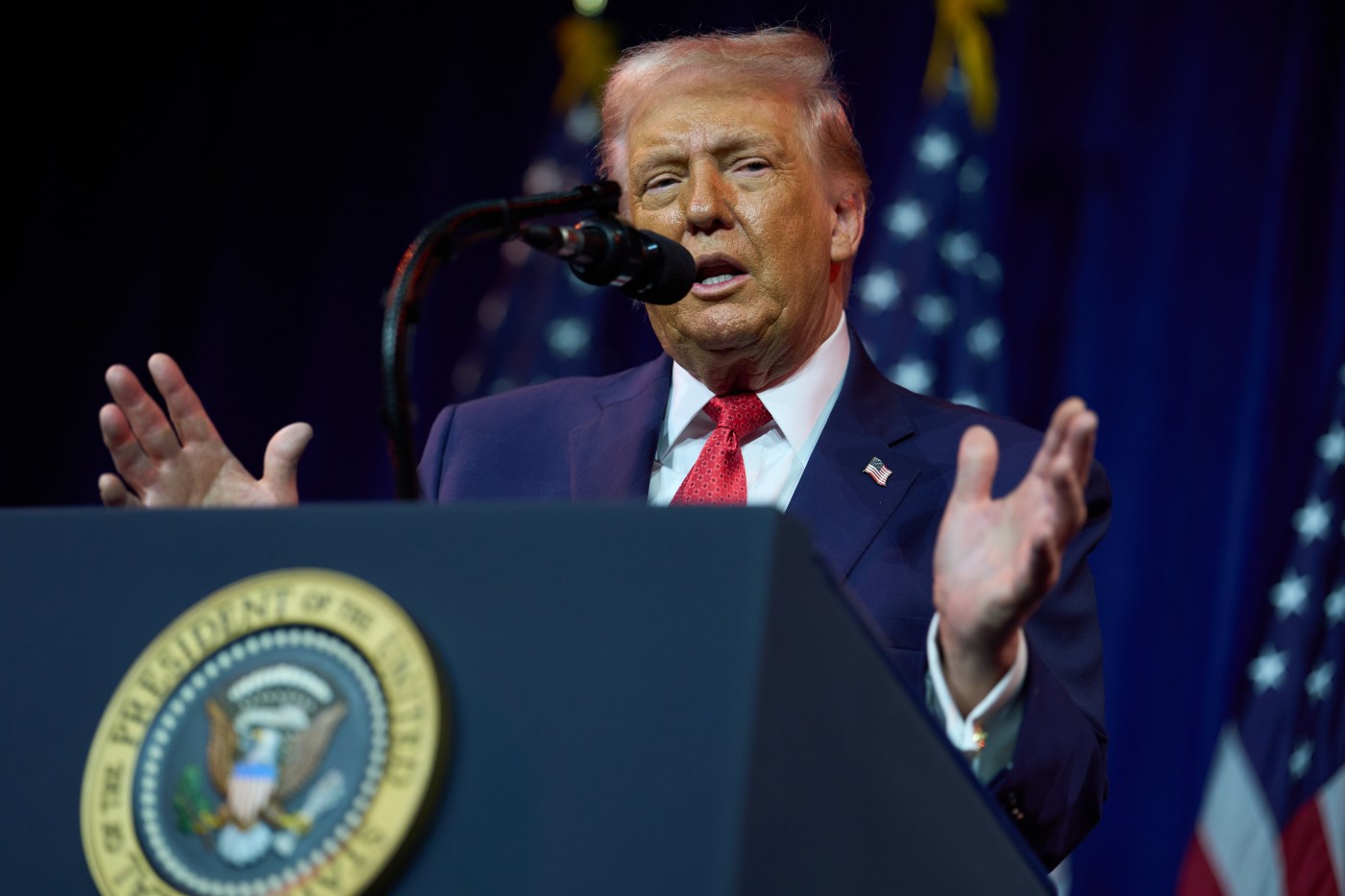
As the new year begins, former President Donald Trump has announced plans to freeze approximately $10 billion in aid to several states, including New York, California, Illinois, Colorado, and Minnesota. This move primarily targets the Temporary Assistance for Needy Families (TANF) food assistance program, which supports millions of vulnerable families. The rationale behind this proposal stems from allegations of extensive fraud within state welfare systems, particularly in Minnesota, where investigations revealed that entities billed for billions in services that were never provided.
The fraud allegations in Minnesota have gained significant attention, especially among right-wing commentators. While it is true that there have been lapses in oversight, it is equally important to recognize that Trump’s actions appear politically motivated. The situation in Minnesota, where the majority of suspects are reportedly Somali-Americans, aligns with the former president’s history of making disparaging comments about immigrants and communities of color.
Multiple audits have suggested that fraud during the COVID-19 pandemic could have reached up to $1 trillion across various states. The urgency to distribute funds quickly during the crisis resulted in challenges that led to misuse of resources. Although the need for thorough investigation is clear, the selective targeting of aid cuts seems to be driven more by political animosity than genuine concern over financial mismanagement.
The proposed aid freeze threatens to negatively impact millions of individuals and families who rely on these resources for basic needs. Lapses in funding could force parents to make impossible choices between essential expenses, such as food and rent. Children’s education and well-being could also suffer from the effects of reduced support.
Political Ramifications and Legal Questions
Trump has publicly criticized the governors of the affected states, including Tim Walz of Minnesota, Gavin Newsom of California, JB Pritzker of Illinois, and Kathy Hochul of New York, accusing them of mismanagement. He stated on social media, “Governor Walz has destroyed the State of Minnesota, but others… have done, in my opinion, an even more dishonest and incompetent job.”
Despite the claims of fraud, there has been no solid evidence indicating similar issues in the other targeted states, nor is there substantial proof of widespread fraud occurring within Minnesota itself. Critics have raised concerns about the legality of Trump’s actions, questioning whether he possesses the authority to unilaterally suspend disbursements of federally appropriated funds. His track record suggests a tendency to overlook legal constraints, often resulting in his policies facing judicial challenges that may undermine their implementation.
As this situation unfolds, there is a strong expectation that the proposed funding freeze will be contested in court. Legal experts anticipate that a federal judge may dismiss the initiative, but there is a hope that the court will also demand accountability from federal officials involved in enforcing this directive.
The ramifications of this decision are likely to reverberate throughout affected states, directly impacting the lives of countless families. As the political landscape continues to shift, the focus remains on ensuring that aid reaches those who need it most, regardless of political affiliation.
























