








































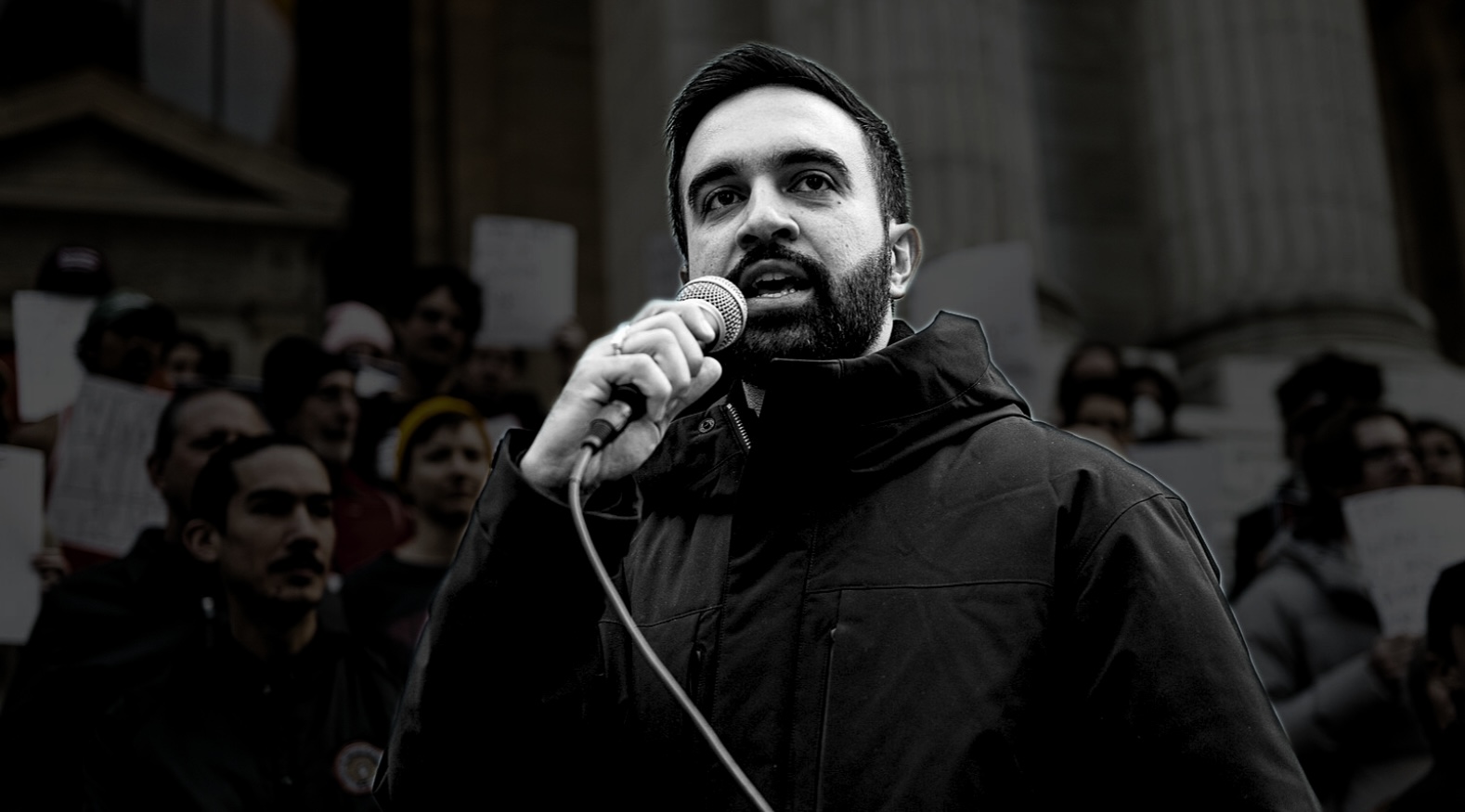
Zohran Mamdani was inaugurated as the new Mayor of New York City on March 15, 2024, delivering a speech that highlighted pressing issues faced by the middle class. His message emphasized a shift from “rugged individualism” to “collectivism,” resonating with many New Yorkers who feel the strain of economic insecurity. Mamdani’s focus on the precarious middle class, often referred to as the “Middle Precariat,” reflects a growing acknowledgment of their struggles within the political landscape.
Mamdani’s campaign, marked by its grassroots appeal, garnered significant support from voters who have worked diligently yet find themselves grappling with financial challenges. Many constituents, like Mariano Muñoz, a parent coordinator in Brooklyn, expressed their alignment with Mamdani’s message about affordability. Muñoz, who is raising two young children, noted, “We feel the squeeze of everyday life, trying to raise our kids in Brooklyn.” The emotional and economic safety these voters seek is increasingly recognized as vital in contemporary political discourse.
As the middle class faces mounting pressures, the identification of this group has evolved. Once perceived as distinct entities—professors, tech workers, and union members—these individuals now share common economic insecurities, creating a potent political force. This coalition has influenced political outcomes across various states, including the election of Katie Wilson in Seattle and Abigail Spanberger as governor in Virginia.
The plight of the middle class is underscored by personal stories. Tara Fannon, a 50-year-old government contractor recently laid off, stated, “New Yorkers like me have been hit hardest by Trump’s policies, the tax giveaways, the hollowing out of our political institutions.” Her experience reflects a broader dissatisfaction with economic conditions, which has prompted many to rally behind candidates like Mamdani. Similarly, Peter Donahue, a 60-year-old electrician, noted that while some may earn between $70,000 and $100,000 annually, the high cost of living in the Puget Sound area leaves many questioning their financial stability.
The economic challenges faced by the middle class are stark. Over the past five years, the cost of home ownership has surged by 50 percent nationwide. Furthermore, rising costs of essential services, such as electricity, which has increased by 30 percent since 2021, compound the difficulties faced by families. According to economist Thomas Ferguson, research director of the Institute for New Economic Thinking (INET), these economic pressures extend beyond those with limited incomes, affecting the entire middle class.
The perception of economic stability is shifting. Many individuals, like Muñoz, no longer feel they belong to the middle class. “What’s middle class?” he questioned, pointing out the difficulty of living in a city where rent and expenses outpace wages. The notion of economic gaslighting, where the struggles of the middle class are dismissed, has spurred a demand for recognition and action.
Political figures are beginning to respond to this sentiment. James Carville, a prominent political strategist, recently suggested that the Democratic Party should embrace “economic rage” as a central theme, highlighting the urgency of addressing affordability issues. This shift in political rhetoric reflects a broader understanding that voters want their lived experiences acknowledged and addressed.
Mamdani’s inauguration ceremony featured Bernie Wagenblast, the well-known voice of the New York City subway, as the emcee. This choice underscores Mamdani’s commitment to connecting with the working class and the Middle Precariat. As the political landscape evolves, there is hope that the struggles of those who may appear middle class on paper will be recognized and addressed more effectively.
In the lead-up to the 2026 elections, the political elite must continue to engage with the realities of economic insecurity. The “precariat power” demonstrated by the middle class could significantly influence future elections, pushing for policies that prioritize their needs. The understanding of what it means to be middle class is changing, and so too is the political narrative surrounding it.
























