








































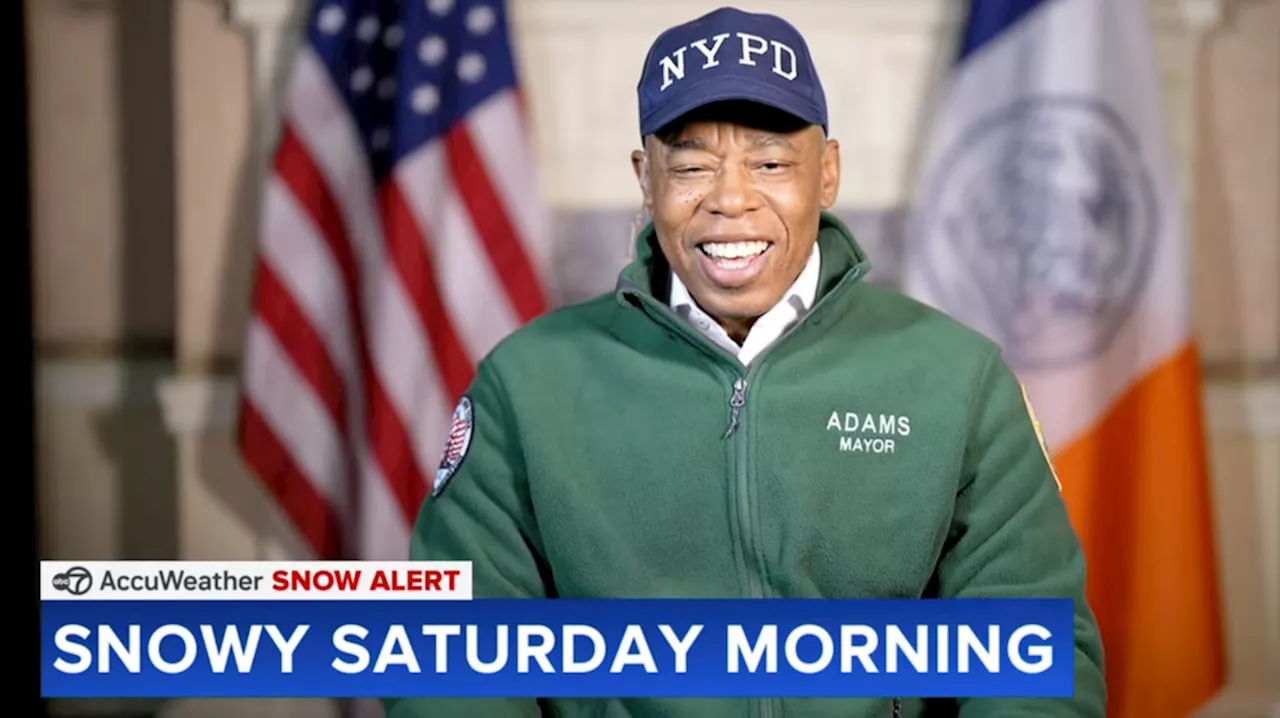
New York City Mayor Eric Adams has stirred controversy with his recent comments in the aftermath of a significant snowstorm that blanketed the city. In response to a question about how residents should cope with the severe weather, Adams suggested that it was a “good baby-making day,” prompting a range of reactions from the public and media alike. While his remarks were intended as lighthearted, they have ignited discussions about his leadership style and the appropriateness of his communication during challenging times.
Following the storm, which caused considerable disruption across the city, Adams encouraged New Yorkers to stay indoors and find ways to keep warm. His playful comment about making the most of the weather was quickly followed by a more conventional suggestion to stay cozy at home. The mayor also took the opportunity to commend the city’s sanitation workers, who have been tirelessly working long shifts to keep the streets safe and clear.
During the press conference, anchor Pedro Rivera humorously inquired if Adams’s remarks implied a potential “baby boom” in the summer months. Adams responded with laughter, but the light-hearted tone of the exchange contrasted sharply with the serious challenges facing the city. The snowstorm had left many residents grappling with infrastructure damage and service disruptions, raising questions about the mayor’s focus and priorities.
Adams’s comments have been juxtaposed with his earlier statements regarding his political ambitions and leadership philosophy. As he navigates pressing issues such as economic recovery, public health, and the ongoing impact of the winter weather, his approach to communication remains a focal point for both supporters and critics. The mayor has previously emphasized his commitment to the city and its residents, asserting that he is the right leader to guide New York through difficult times.
This incident reflects the broader dynamics of governance in a city facing numerous challenges. Adams’s blend of humor and practicality in his public messaging has garnered both praise and criticism. His ability to engage residents during stressful periods is seen as essential, but the lighthearted nature of his comments has also drawn scrutiny amid serious concerns about public safety and infrastructure.
The mayor’s communication style continues to evolve as he seeks to maintain public morale while addressing the city’s ongoing difficulties. Balancing seriousness with humor, Adams aims to connect with New Yorkers, particularly during times of crisis. Yet, many are questioning whether such an approach is appropriate given the scale of the challenges at hand.
As Adams contemplates his future political aspirations, his recent remarks must be understood within the context of a broader strategy to solidify his leadership. His statements come as he reaffirms his intention to seek reelection, further complicating the perception of his comments. Political analysts suggest that every public appearance and statement is now viewed through the lens of potential electoral implications.
In light of the recent snowstorm and other pressing issues, including housing and economic development, the mayor faces the intricate task of convincing New Yorkers of his capability to lead effectively. His response to the snowstorm and the ensuing public discourse underscore the importance of leadership that is both responsive and relatable during times of crisis.
As New York City works to recover from the storm’s aftermath, the scrutiny of Adams’s leadership will likely continue. His ability to navigate the complexities of governance while maintaining public confidence is critical for his administration’s future. The dynamics surrounding this snowstorm incident highlight the intricate interplay between public expectation, political ambition, and effective communication in the realm of city leadership.
























