








































URGENT UPDATE: A coalition of 21 Democratic-led states has just filed a lawsuit against the Consumer Financial Protection Bureau (CFPB) and its director, Russell Vought, challenging the White House’s decision to withhold critical funding from the agency. This legal action, announced earlier today, claims that the White House’s stance is unconstitutional and threatens consumer protections nationwide.
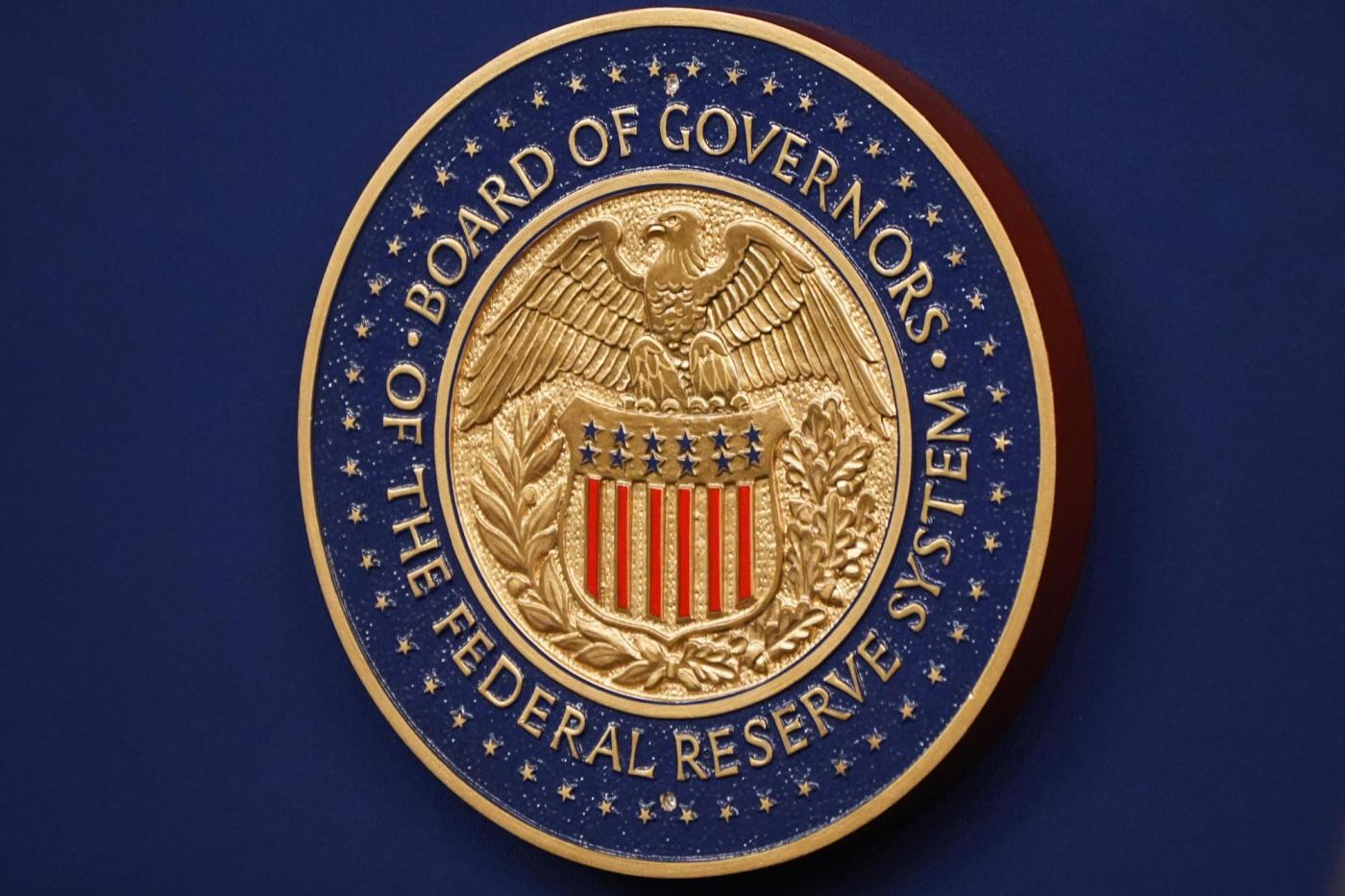
The lawsuit stems from the Trump administration’s interpretation that the CFPB can only receive funding from the Federal Reserve’s profits. However, the Federal Reserve has faced losses since 2022, primarily due to rising interest rates aimed at curbing inflation. The agency’s inability to generate profits has left the CFPB on the brink of financial collapse, with its operational funds projected to be depleted by January 2024.
The White House argues that without “combined earnings,” as defined in the Dodd-Frank Act, the CFPB cannot lawfully draw funds from the Federal Reserve. This interpretation has been met with fierce opposition, including a separate lawsuit by the CFPB employees’ union against Vought. Critics, including New York Attorney General Letitia James, assert that the CFPB was established by Congress and must be funded to effectively combat predatory lending and protect consumers from fraud.
“Defunding the Consumer Financial Protection Bureau will make it harder to stop predatory lenders, scammers, and other bad actors from taking advantage of New Yorkers,” James stated in a press release, highlighting the urgent need for the bureau’s operations to continue uninterrupted.
As this situation develops, the implications for consumers across the nation are profound. If the lawsuit succeeds, it could reinstate vital funding for the CFPB, ensuring that it can uphold its mission of protecting consumers from financial misconduct. Conversely, if the White House prevails, millions may face increased risks from financial predators due to a weakened regulatory framework.
Watch for updates on this significant legal battle, as the future of consumer protection hangs in the balance.
























