








































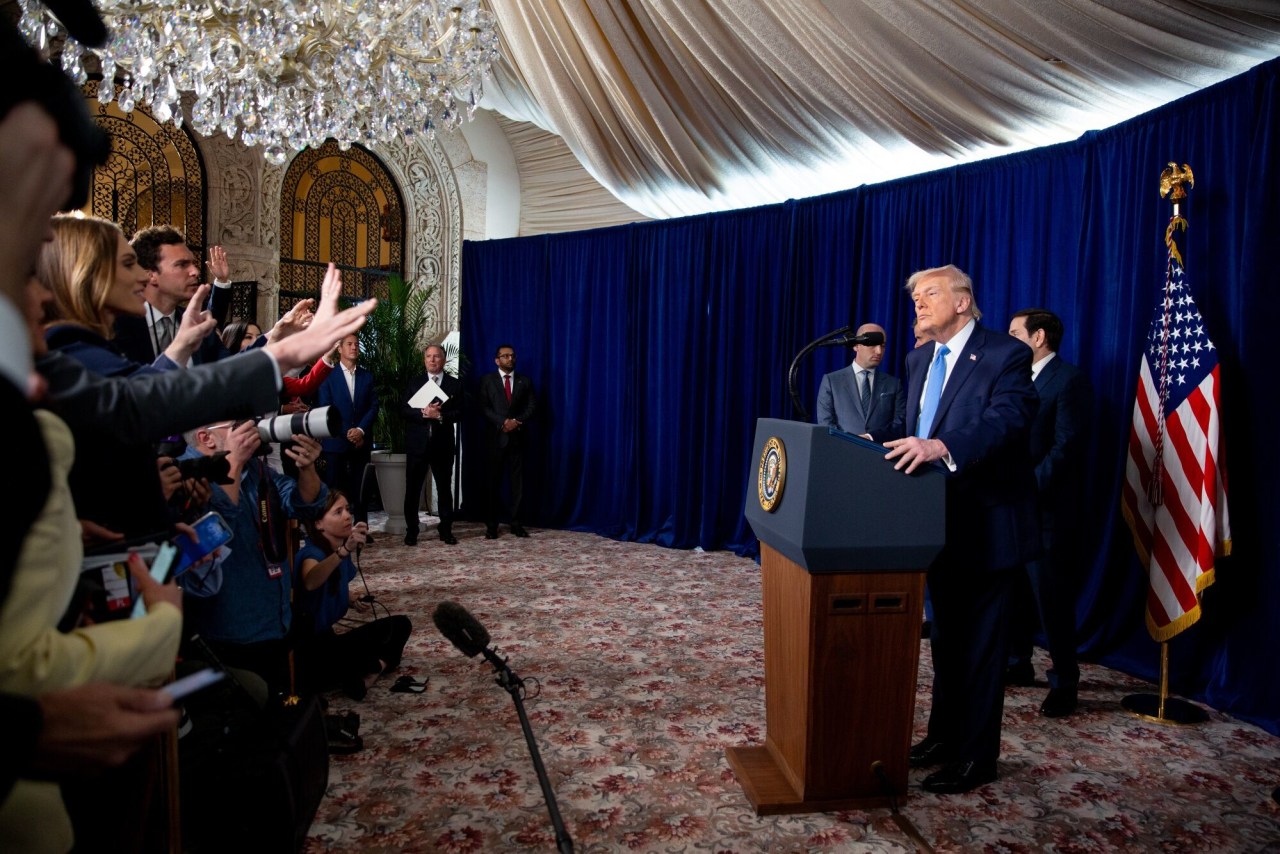
Venezuela has entered a significant phase in its international relations under the evolving interpretation of the Monroe Doctrine, as articulated by President Donald Trump. This doctrine, traditionally emphasizing U.S. influence in the Western Hemisphere, is now framed around commerce and resource management as drivers of American strategic intervention.
The current administration’s approach suggests that U.S. interests may extend beyond traditional boundaries, prompting discussions about potential areas of focus, including Greenland. This shift raises questions about the implications for other nations in the region, particularly in South America.
Revisiting the Monroe Doctrine
Originally conceived in the early 19th century, the Monroe Doctrine established a policy aimed at opposing European colonialism in the Americas. In contemporary terms, Trump’s interpretation appears to prioritize economic interests and resource acquisition over the geopolitical stability previously emphasized. This approach aligns with a broader trend of viewing foreign relations through the lens of trade and resource control.
The Trump administration’s strategy is not merely theoretical. It has already manifested in various U.S. actions aimed at increasing influence in resource-rich areas. Officials have indicated that the focus will not only be on Latin America but may also encompass regions like Greenland, where significant natural resources are available. Such a pivot invites scrutiny regarding the long-term effects on diplomatic relations and regional stability.
Implications for Venezuela and Beyond
Venezuela, grappling with its own economic challenges, may find itself at a crossroads. The nation has vast oil reserves and other minerals, which are crucial to its economy. The U.S. interest in Venezuelan resources could alter the balance of power in the region. As Venezuela navigates this new reality, the potential for heightened U.S. presence or intervention in its affairs grows.
The ramifications of this policy shift extend to neighboring countries as well. Nations in the region may need to reassess their own diplomatic and economic strategies in light of U.S. objectives. The focus on commerce and resources as central tenets of foreign policy will likely lead to increased competition for investment and partnerships among countries vying for U.S. attention.
Statements from U.S. officials indicate a keen interest in fostering alliances that can provide access to essential resources. This approach may lead to partnerships that prioritize economic benefits over traditional alliances, reshaping the geopolitical landscape in ways that could benefit U.S. interests but may complicate regional dynamics.
As the world watches how this doctrine unfolds, the situation presents both opportunities and challenges. The international community will need to consider how these developments affect global trade and diplomatic relations, particularly in resource-dependent regions. The evolving nature of U.S. foreign policy under Trump’s administration could redefine the principles of engagement that have governed international relations for decades.
In summary, as Venezuela steps into this new era, the implications of the U.S. strategic framework will be closely monitored. The focus on commerce and resources not only changes the narrative of U.S. intervention but also sets the stage for a reimagined relationship between nations in the Western Hemisphere and beyond.
























