








































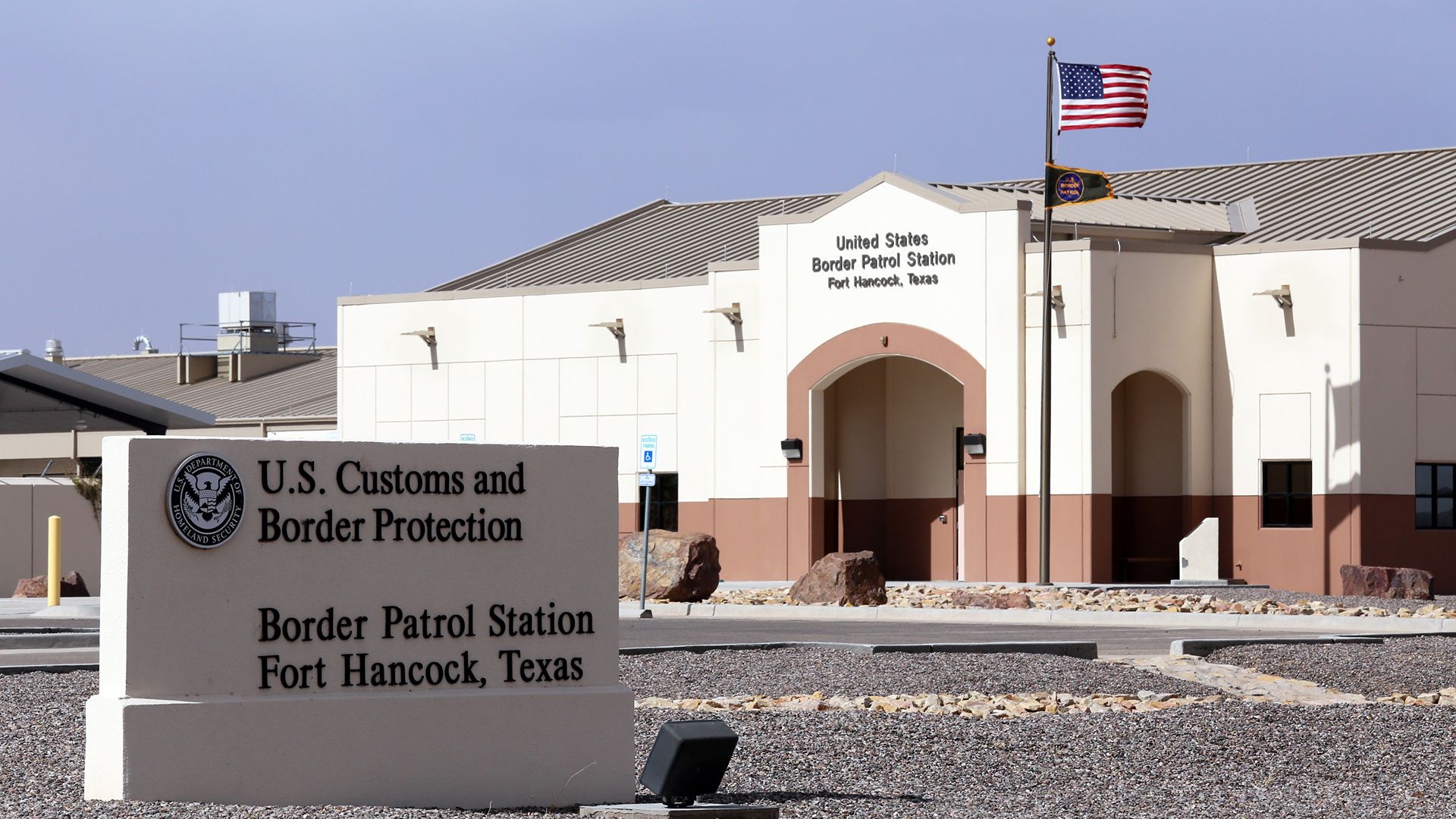
The Federal Aviation Administration (FAA) has issued a temporary flight restriction in Texas airspace following an incident where a US military laser weapon mistakenly shot down a Customs and Border Protection (CBP) drone. This incident occurred near Fort Hancock, Texas, close to the US-Mexico border, and marks the second time in recent weeks that military action has led to airspace closures in the area.
The military deployed its anti-drone system after detecting what it believed to be a potential threat. The unidentified aircraft, later confirmed to be operated by the CBP, was not reported to the Pentagon, leading to its misclassification as a threat. The FAA’s restriction aims to ensure safety in light of recent events.
Details of the Incident
According to reports, the incident took place when the CBP drone entered military airspace without prior notification to relevant authorities. The military perceived the drone as a threat and activated the LOCUST (Laser-Oriented Counter-UAS System) to neutralize it. This decision came swiftly after the military’s assessment of the situation, which was complicated by the lack of communication from the CBP regarding its drone activities.
In a joint statement released by the Pentagon, CBP, and FAA, it was confirmed that no commercial aircraft were present during the laser deployment. The agencies described the incident as an engagement with a “seemingly threatening unmanned aerial system” that had entered military airspace. Following the engagement, the FAA imposed a Temporary Flight Restriction (TFR) over Fort Hancock, which is currently set to remain in place until June 24, 2026.
Concerns and Reactions
Initial assessments indicate that the responsibility for the mishap lies predominantly with the CBP for failing to inform other agencies about its drone operations. This communication breakdown resulted in the military treating the drone as an unknown aircraft, likely misidentified as being involved in cartel activities.
Following the incident, several Democratic representatives, including Rick Larsen, Bennie Thompson, and André Carson, expressed their outrage, stating that they were “heads exploding over the news” and called for an investigation into the matter. There are significant concerns regarding the safety risks posed by the laser system, particularly its potential for collateral damage.
The FAA has indicated a desire to review the use of such weapons comprehensively, ensuring that testing is prohibited until a thorough safety assessment can be completed.
The area surrounding Fort Hancock is a known hotspot for cartel activities, particularly drug smuggling operations run by the Sinaloa Cartel, with drones frequently utilized for these illicit activities. The situation has prompted the Pentagon, FAA, and CBP to commit to enhancing cooperation and communication to prevent similar incidents in the future.
Recent Airspace Closures
The Fort Hancock incident is not isolated; it follows a previous event on February 10, 2024, when the FAA temporarily closed airspace around El Paso due to another deployment of the LOCUST system. In that case, a suspected cartel drone was shot down, only to be later identified as a metallic balloon. The FAA had initially imposed a ten-day closure, which it lifted after clarifying the situation.
Both the Pentagon and CBP have reportedly asserted their authority to use the laser weapon without prior FAA approval, a claim that has raised eyebrows among lawmakers and safety advocates alike. The series of events underscores the urgent need for improved communication protocols among agencies involved in airspace management and drone operations.
























