








































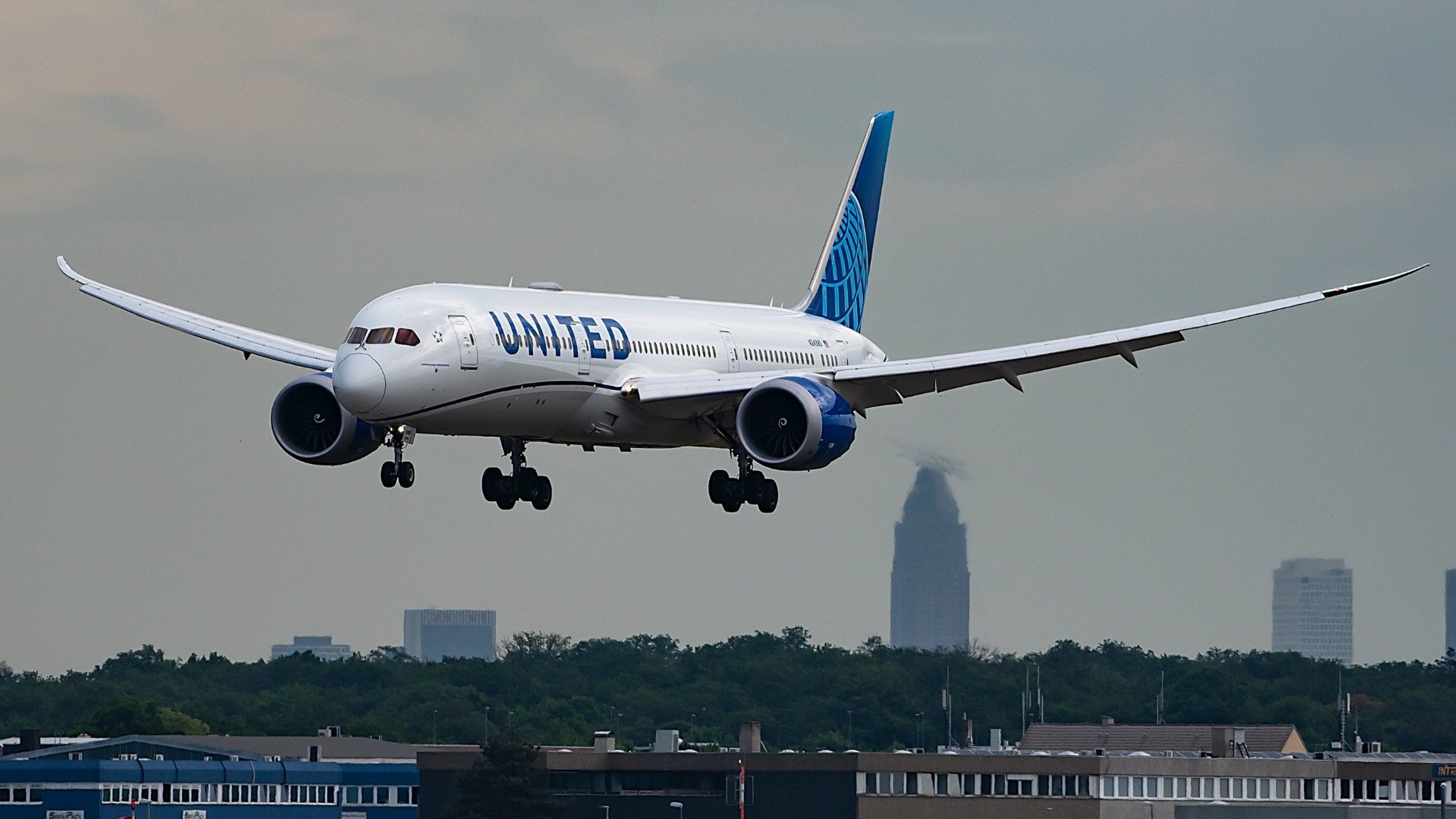
A significant incident occurred on March 2, 2024, at Los Angeles International Airport (LAX) when a United Airlines Boeing 787-9, preparing for departure to Hong Kong Airport (HKG), had to execute a high-speed takeoff rejection. The rejection was prompted by an Airbus A321neo, also operated by United, which inadvertently entered the runway during the 787-9’s takeoff roll. Quick action from the air traffic controller (ATC) helped avert a potential collision.
As the Boeing Dreamliner accelerated down Runway 24L, the ATC instructed the A321neo to exit the runway immediately after it had landed on the parallel Runway 24R. The A321’s flight crew had initially acknowledged the command to hold short of Runway 24L; however, they failed to adhere to the instruction, resulting in a runway incursion. The 787-9 reached speeds of up to 106 knots before the takeoff clearance was rescinded, and the pilots executed the emergency braking procedure.
High-speed rejections can lead to significant mechanical stress on an aircraft. In this case, the rapid deceleration caused the 787-9’s brakes to overheat, necessitating a return to the gate for maintenance checks. Fortunately, there were no injuries reported among passengers or crew during this alarming episode.
Significant Delays Follow Incident
Following the rejected takeoff, the flight, designated UA-152, faced an extended delay of approximately eight hours. Normally scheduled to depart at 11:10 AM local time, the aircraft finally took off just before 07:13 PM local time. This delay pushed the flight’s expected arrival time in Hong Kong to 01:35 AM the following day.
The flight typically covers the Pacific route in about 15 hours, arriving in Hong Kong at 07:15 PM the next day. The delay also impacted the aircraft’s subsequent service to Ho Chi Minh City International Airport (SGN) in Vietnam, which was postponed by over six hours due to the late arrival. The revised itinerary for the aircraft included the following updated departure and arrival times:
- UA-152: LAX – HKG: 07:13 PM – 01:35 AM (+2)
- UA-153: HKG – SGN: 03:45 AM – 04:43 AM
- SGN – HKG: 07:01 AM – 09:57 AM
- HKG – LAX: 12:00 PM – 08:03 AM
This incident illustrates the unique operational challenges United Airlines faces as it conducts flights in the Asia-Pacific region. The airline’s fifth freedom service allows it to operate routes within Asia, adding complexity to its scheduling and operations.
Understanding High-Speed Rejection Procedures
The incident highlights the critical nature of high-speed takeoff rejection procedures. When an aircraft accelerates past approximately 80-100 knots, aerodynamic forces begin to impact the flight controls, which can complicate emergency procedures. In this case, the pilots of the 787-9 were able to manage the aircraft effectively, but the emergency braking led to overheating brakes due to the weight of the aircraft, fully loaded for a long-haul flight.
Aircraft today are designed with safety systems to minimize risks associated with high-speed takeoff rejections. While such events are rare, they underscore the importance of stringent operational protocols and effective communication between flight crews and air traffic control.
United Airlines representatives were contacted for further insights on the incident but had not provided additional comments as of the latest reports. The aviation community continues to monitor and analyze such incidents to enhance safety measures and prevent future occurrences.
























