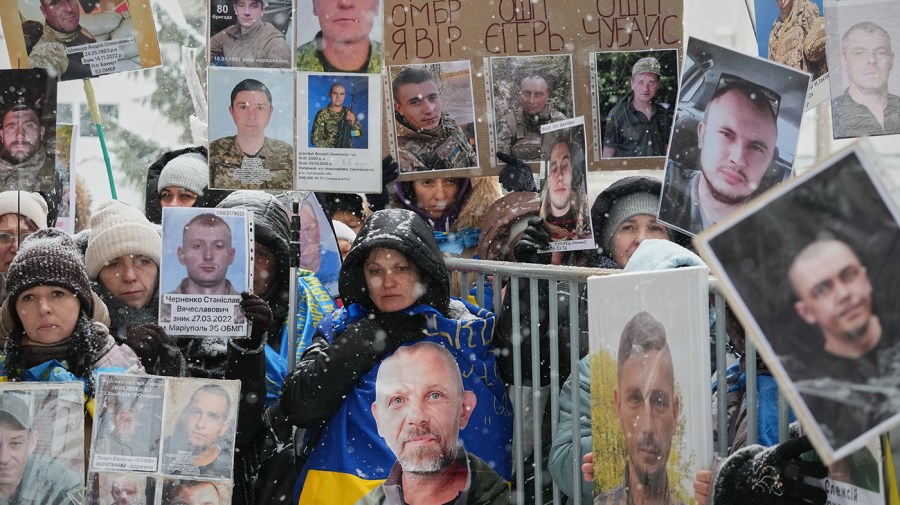
Ukraine is experiencing one of its coldest winters as a result of ongoing Russian attacks on the country’s energy infrastructure. The situation has become increasingly dire, with temperatures in Kyiv dropping below freezing. Ruslan Stefanchuk, the Speaker of Ukraine’s Parliament, demonstrated the chilling conditions in his own home while meeting with officials in Washington, D.C. He revealed that the temperature in his kitchen is just above freezing, highlighting the severe impact of these energy strikes on daily life.
The Russian military has targeted key energy facilities over the past several months, aiming to cripple Ukraine’s ability to provide heating and electricity during the winter months. According to Ukrainian officials, these attacks have severely diminished energy supplies, affecting millions of residents who rely on a stable power grid for warmth and basic necessities.
Energy Crisis Deepens
Reports indicate that the Ukrainian energy sector is struggling to cope with the aftermath of these strikes. As of early February 2024, authorities estimate that approximately 40% of the country’s energy infrastructure has been damaged or destroyed. This has led to widespread power outages, making it difficult for families and businesses to function normally.
Stefanchuk’s advocacy in Washington is part of a broader effort to secure additional international support for Ukraine. He emphasized the urgent need for military and humanitarian assistance to address the ongoing crisis. During his discussions with U.S. lawmakers, he underscored that the resilience of Ukraine’s people is being tested as they face unprecedented challenges brought on by the war.
The international community is closely monitoring the situation, with several countries exploring ways to provide aid. The United States has already pledged substantial financial support, and further discussions are underway regarding the provision of energy resources to help stabilize the situation in Ukraine.
Humanitarian Impact and International Response
The humanitarian impact of the energy crisis is profound. Many families are resorting to alternative heating methods, which may pose safety risks. Additionally, schools and businesses are being forced to close due to the lack of reliable electricity. The distressing conditions have prompted various non-governmental organizations to mobilize resources to aid those most affected.
Stefanchuk’s efforts in the U.S. underscore the importance of global solidarity in the face of such a humanitarian crisis. His meetings aim to foster a deeper understanding of the challenges Ukrainians are enduring this winter and to rally support for initiatives that can help restore energy supplies.
As the conflict continues, the situation remains fluid. The resilience of Ukraine’s people will be tested further in the coming weeks, as they navigate one of the harshest winters in recent memory, exacerbated by the ongoing war.