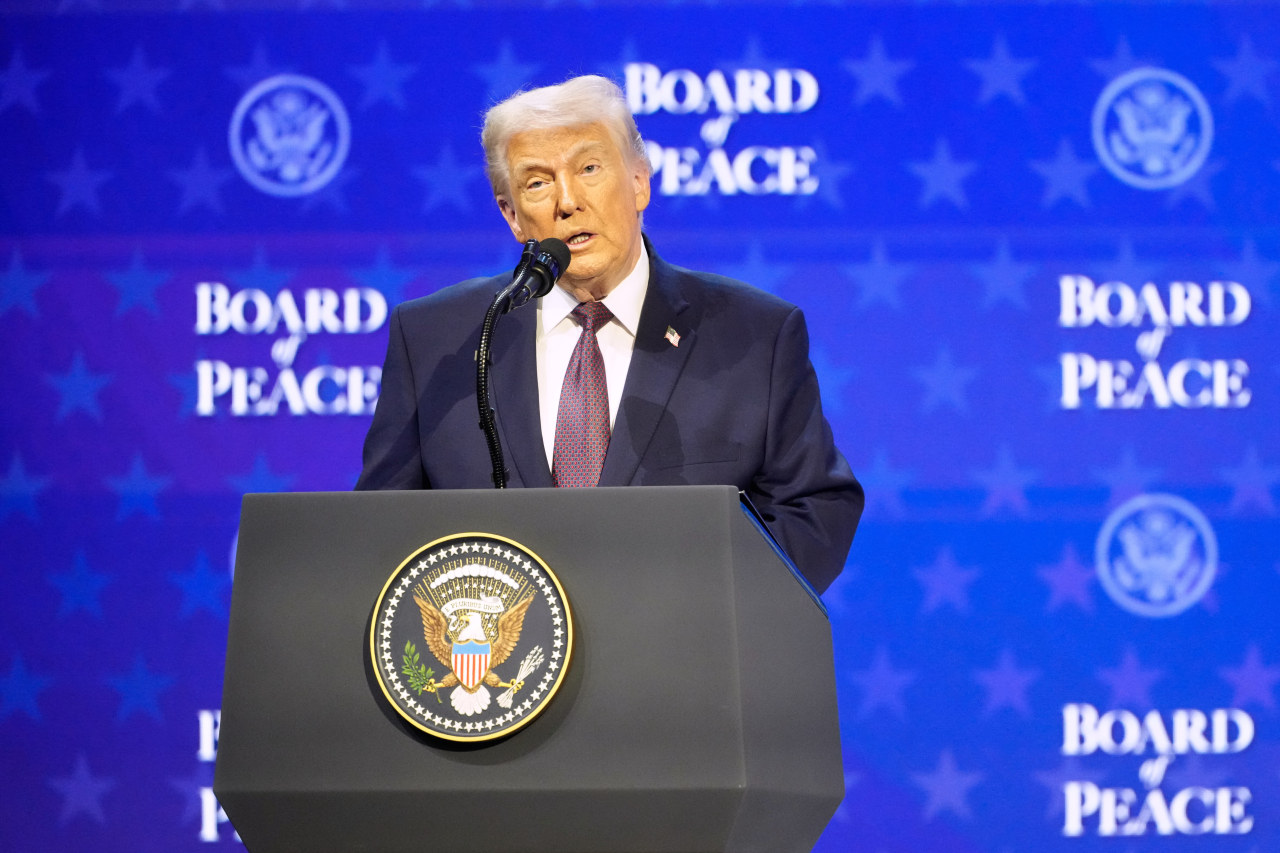
Donald Trump has once again placed himself at the center of a political storm, demonstrating a pattern of behavior that prioritizes chaos over stability. In recent interviews and public appearances, Trump has created a series of controversies, seemingly driven by a fear of being overshadowed or forgotten. This pattern raises questions about his ability to engage in quietude amidst a tumultuous political climate.
The former president’s latest comments on major news platforms have stirred reactions across the political spectrum. Appearing on Fox News on March 15, 2024, Trump expressed grievances about his treatment by the media and reiterated his claims regarding the January 6, 2021Republican Party as he eyes a potential presidential run in 2024.
Creating Discontent: The Impact of Trump’s Actions
The implications of Trump’s behavior extend beyond mere media soundbites. His insistence on stirring up discord can be seen as a calculated effort to distract from pressing issues facing the nation, including economic recovery and public health concerns. By generating headlines that overshadow substantive discussions, he keeps himself in the limelight while avoiding accountability for his previous administration’s actions.
Critics argue that this tendency to create chaos undermines the possibility of constructive dialogue within American politics. In an era where bipartisanship is increasingly rare, Trump’s approach serves to polarize rather than unite. His critics, including political commentators from outlets such as CNN, have voiced concerns that his rhetoric could exacerbate divisions, further complicating the already intricate political landscape.
Another aspect of Trump’s behavior is his reliance on social media to amplify his messages. This platform has become a tool for him to bypass traditional media filters, allowing him to communicate directly with his supporters. However, this also raises concerns about the spread of misinformation, as many of his statements lack verification and are often disputed by credible sources.
The Quest for Attention: A Political Strategy?
Analysts suggest that Trump’s approach may stem from a deeper psychological need for attention and validation. The former president has openly admitted to enjoying the spotlight, a sentiment that resonates with his supporters but raises questions about his leadership priorities. By prioritizing spectacle over substance, he risks alienating moderate voters who may seek stability and unity.
As the political landscape evolves, Trump’s actions will likely continue to shape the narrative surrounding the Republican Party and its direction. His ability to generate controversy may secure his influence among his base, but it could also pose challenges for party unity as the 2024 election approaches.
In conclusion, Trump’s penchant for drama presents a dual-edged sword. While it maintains his visibility and engages his supporters, it simultaneously detracts from meaningful discourse and raises concerns about the future of American politics. With the potential for a presidential bid looming, the question remains whether Trump can evolve from a figure of chaos to one of constructive leadership.