








































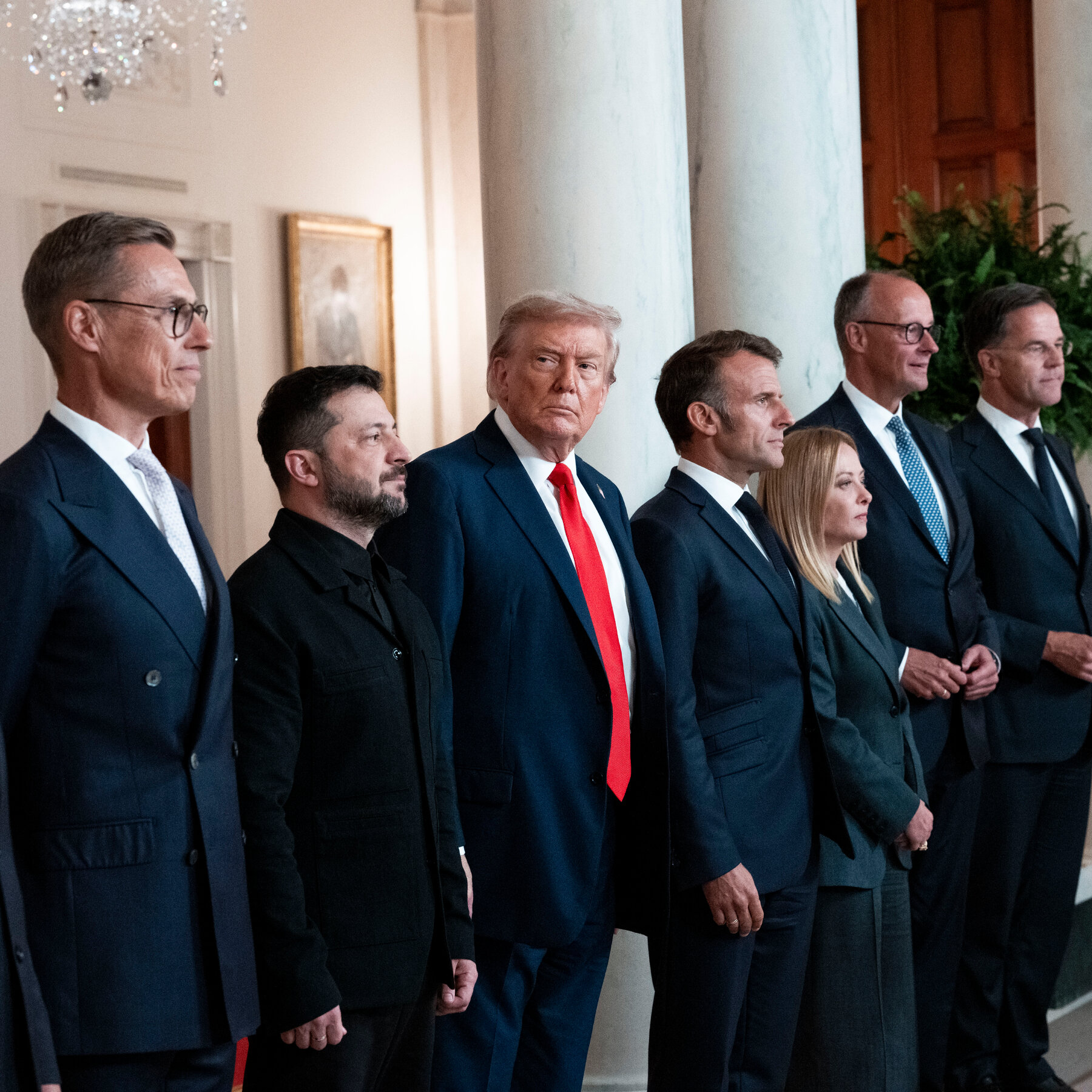
Tensions are rising as President Donald Trump intensifies pressure on European leaders regarding the strategic territory of Greenland. This situation has led to concerns about the stability of an alliance that has stood for over 80 years, prompting leaders to consider the potential ramifications for international diplomacy.
The United States has long viewed Greenland as a critical asset due to its geographic location and resources. Recently, Trump has urged European nations to bolster their military presence in the area, asserting that failure to do so could jeopardize their security and economic interests. This stance has stirred significant unease among European leaders, who are now questioning the long-term viability of NATO and their collective commitments.
President Trump’s comments come at a time when Europe is grappling with various geopolitical challenges, including tensions with Russia and ongoing economic recovery efforts post-pandemic. European leaders are evaluating their positions carefully, weighing the impact of Trump’s demands against their own national interests. The alliance, which has historically promoted stability and cooperation, appears to be under strain as these discussions unfold.
In a recent meeting held in June 2023, Trump expressed his dissatisfaction with European contributions to defense spending, suggesting that they should take a more proactive role in protecting Greenland. This demand has raised eyebrows across the Atlantic, with many leaders viewing it as an attempt to shift responsibilities onto European nations.
Notably, the conversation around Greenland has not only focused on military aspects but also on its rich natural resources, including minerals and rare earth elements. As the global demand for these resources rises, European nations are considering their strategic priorities in light of the changing geopolitical landscape.
The implications of this rift are significant, as a weakened alliance could lead to increased instability in Europe and beyond. Experts warn that if Trump’s approach continues to alienate European partners, it may result in a fragmented response to global challenges, undermining decades of diplomatic efforts.
In response to Trump’s assertions, several European leaders have reaffirmed their commitment to NATO but have signaled that they will not be coerced into actions that do not align with their national interests. The growing divide highlights the complexities of modern diplomacy, where traditional alliances are being tested in new ways.
As discussions progress, the international community is keenly observing how this situation will evolve. The potential for a shift in alliances could redefine the geopolitical landscape, impacting not only military strategies but also economic partnerships and trade agreements.
In conclusion, the unfolding situation regarding Greenland serves as a critical moment for transatlantic relations. President Trump’s insistence on leveraging European commitments is reshaping the dialogue around NATO and could have lasting consequences for international diplomacy. The coming months will be pivotal in determining whether this historic alliance can adapt to the challenges posed by shifting political dynamics.
























