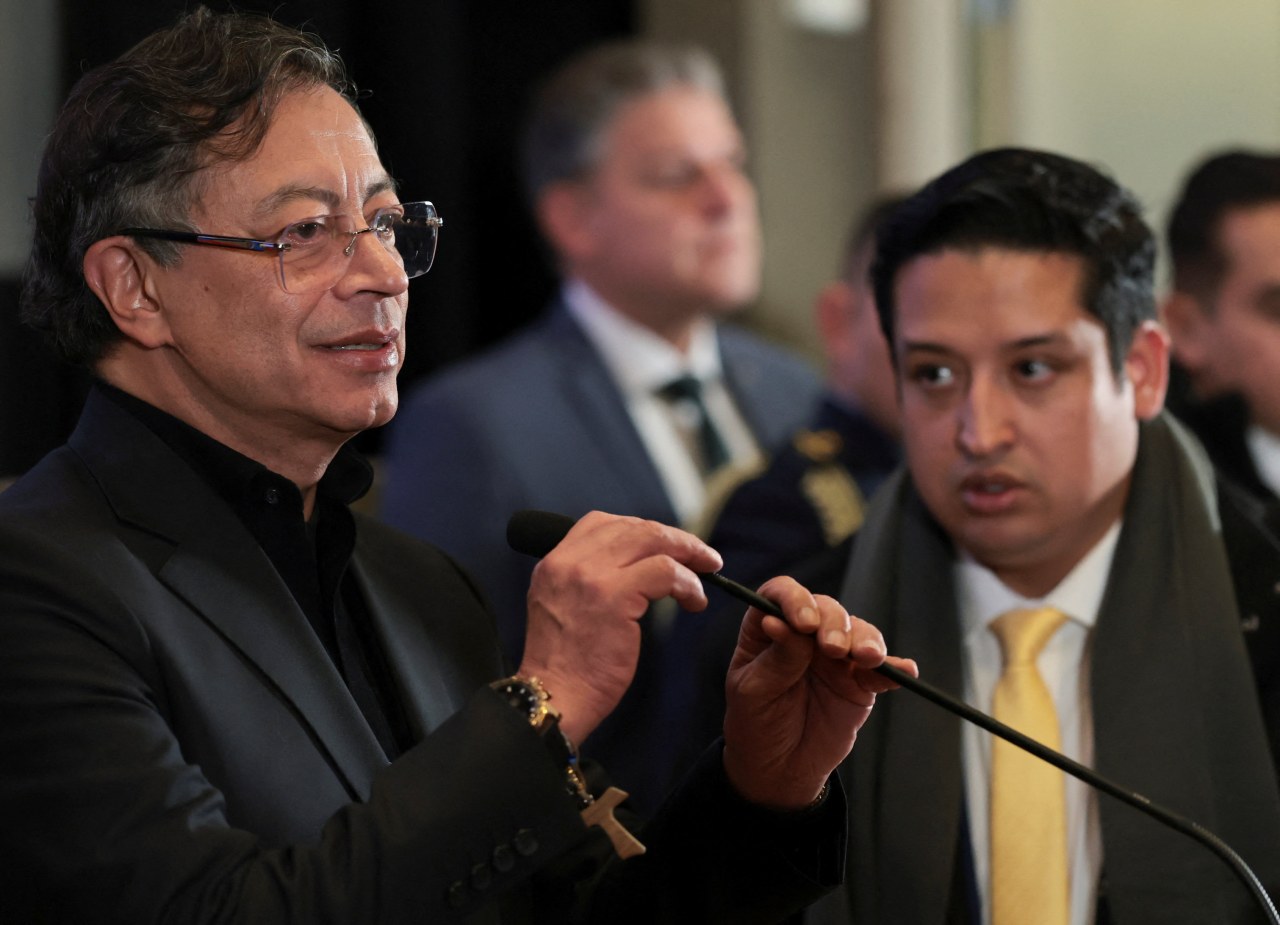
U.S. President Donald Trump and Colombian President Gustavo Petro held a significant meeting at the White House on August 10, 2023, aimed at improving strained relations between the two nations. This event follows months of public disparagement from Trump, who previously referred to Petro as “a lunatic” and criticized Colombia’s strategies in combating the drug trade.
The meeting was a crucial step in addressing the escalating tensions that have marred U.S.-Colombia relations. Trump’s harsh rhetoric had raised concerns about the stability of diplomatic ties, which are essential for collaboration on issues like drug trafficking and regional security.
Diplomatic Engagements and Future Goals
During their discussions, both leaders sought to shift the narrative from confrontation to cooperation. They explored avenues for enhanced collaboration in various areas, including economic development and security measures. Both presidents acknowledged the importance of addressing drug trafficking, a persistent issue that has historically strained relations.
“We must work together to tackle the threats posed by the drug trade,” Petro stated during a press briefing following the meeting. He emphasized the need for a comprehensive approach that includes social programs to deter the production of illicit drugs.
Trump echoed this sentiment, asserting that the United States remains committed to supporting Colombia’s efforts in counter-narcotics initiatives. He also highlighted the necessity of strengthening economic ties, suggesting that increased trade could provide alternative opportunities for those involved in drug production.
Public Reactions and Implications
The meeting prompted mixed reactions from political analysts and public figures. Some praised the move as a positive step towards restoring diplomatic relations, while others expressed skepticism about the effectiveness of Trump’s previous criticisms and their impact on future cooperation.
Political commentator Maria Gonzalez noted that “the meeting represents a watershed moment for U.S.-Colombia relations, showing that dialogue can pave the way for constructive outcomes.” This perspective reflects a broader hope that the two nations can overcome past grievances and focus on mutual objectives.
The implications of this meeting extend beyond just bilateral relations. As Colombia grapples with ongoing challenges related to drug production and violence, U.S. support remains crucial. The partnership between the two countries is vital for regional stability, especially as they face external pressures from neighboring nations involved in the drug trade.
The two leaders concluded their meeting with a commitment to maintain open lines of communication. Future engagements are expected to focus on specific initiatives aimed at combating drug trafficking while fostering development in Colombia.
As both nations navigate their complex relationship, the outcome of this meeting may serve as a foundation for a renewed partnership built on mutual respect and shared goals. The dialogue initiated at the White House could potentially reshape the narrative surrounding U.S.-Colombia relations, moving away from insults and towards a cooperative framework for tackling shared challenges.