








































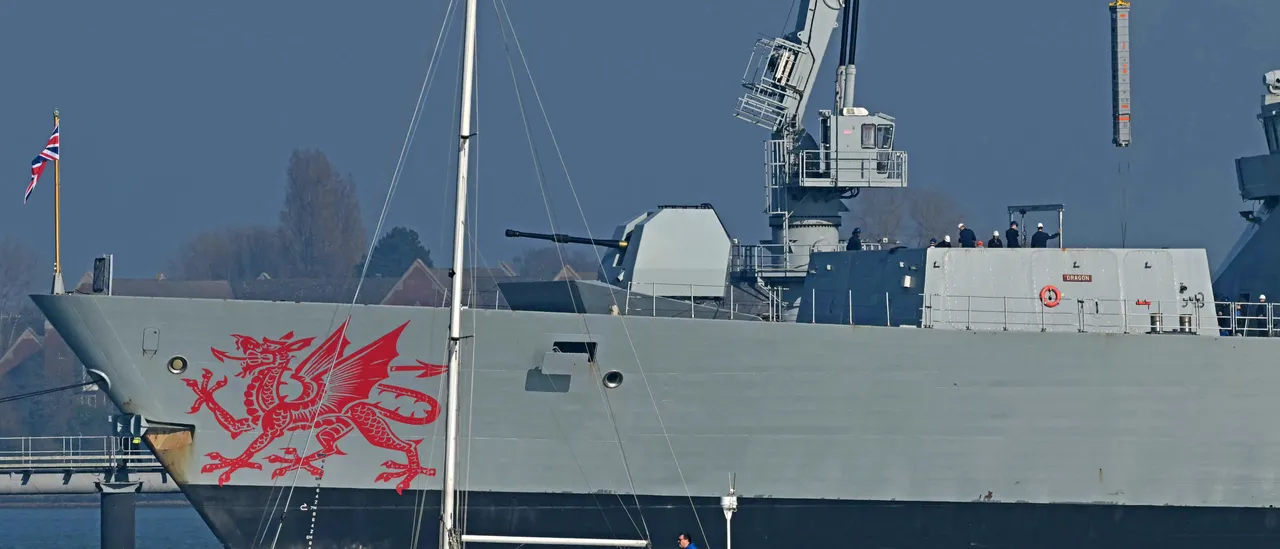
The Royal Navy’s efforts to counter Iranian drone threats have encountered significant delays due to limited working hours at the Portsmouth repair yard. Currently, maintenance crews are only available from 09:00 to 17:00, which has stalled the deployment of the HMS Dragon, a Type 45 air-defense destroyer, to Cyprus. According to union officials, this limitation has raised concerns about military readiness and national security.
The Ministry of Defence and the private contractor Serco reportedly implemented this nine-to-five schedule as a cost-saving measure. As a result, essential maintenance tasks, including welding and system overhauls, are not being completed outside of standard business hours. The union representing the engineers and tugboat workers responsible for preparing the fleet argues that this new labor agreement has effectively eliminated round-the-clock staffing at the historic Portsmouth base.
Union General Secretary Mike Clancy criticized the current contract, stating that national security should not depend on the “goodwill” of staff volunteering for overtime. He emphasized that adequate out-of-hours support should be explicitly included in the contract to ensure military readiness. Clancy remarked, “This contract has failed its first real encounter with a serious crisis and must be urgently reviewed and rectified.”
Defense Minister Al Carns acknowledged the delay, stating that the HMS Dragon will not set sail until engineers complete various maintenance tasks necessary for its new mission in the Mediterranean. The warship, originally configured for a different operation, requires a total reconfiguration of its weapons systems to effectively defend against aerial threats.
As the HMS Dragon remains in dry dock, the United Kingdom risks lagging behind international allies who have already deployed assets to the region. Military analysts indicate that the destroyer is now expected to reach Cyprus significantly later than French and Spanish warships, which have already arrived.
In response to the union’s claims, Serco Marine Services contended that its core working hours run from 07:00 to 19:00. A spokesperson stated, “HMS Dragon is being prepared to sail, with the full support of our dedicated teams in Portsmouth. Serco has fulfilled every task requested by the Royal Navy on time and to the agreed standard.” They further refuted suggestions that the working patterns of Serco employees have impeded the warship’s ability to set sail.
Union sources, however, assert that the reality on the ground is more rigid, suggesting that specific tasks in the contract are limited to standard weekday hours. They claim that the new £1 billion (approximately $1.34 billion) contract has reduced essential coverage and forced the Navy to rely on volunteer support during weekends to prepare the ship for combat readiness.
The backdrop to these developments includes escalating tensions in the region. Following the launch of Operation Epic Fury by the United States in coordination with Israel’s Operation Lion’s Roar, a large-scale air campaign targeting Iranian nuclear facilities commenced. This operation has prompted Tehran to retaliate against targets across nine countries, including locations in the Gulf and Mediterranean.
As the situation unfolds, the implications of the Royal Navy’s delays may extend beyond immediate operational concerns and reflect broader challenges regarding military preparedness and resource allocation.
























