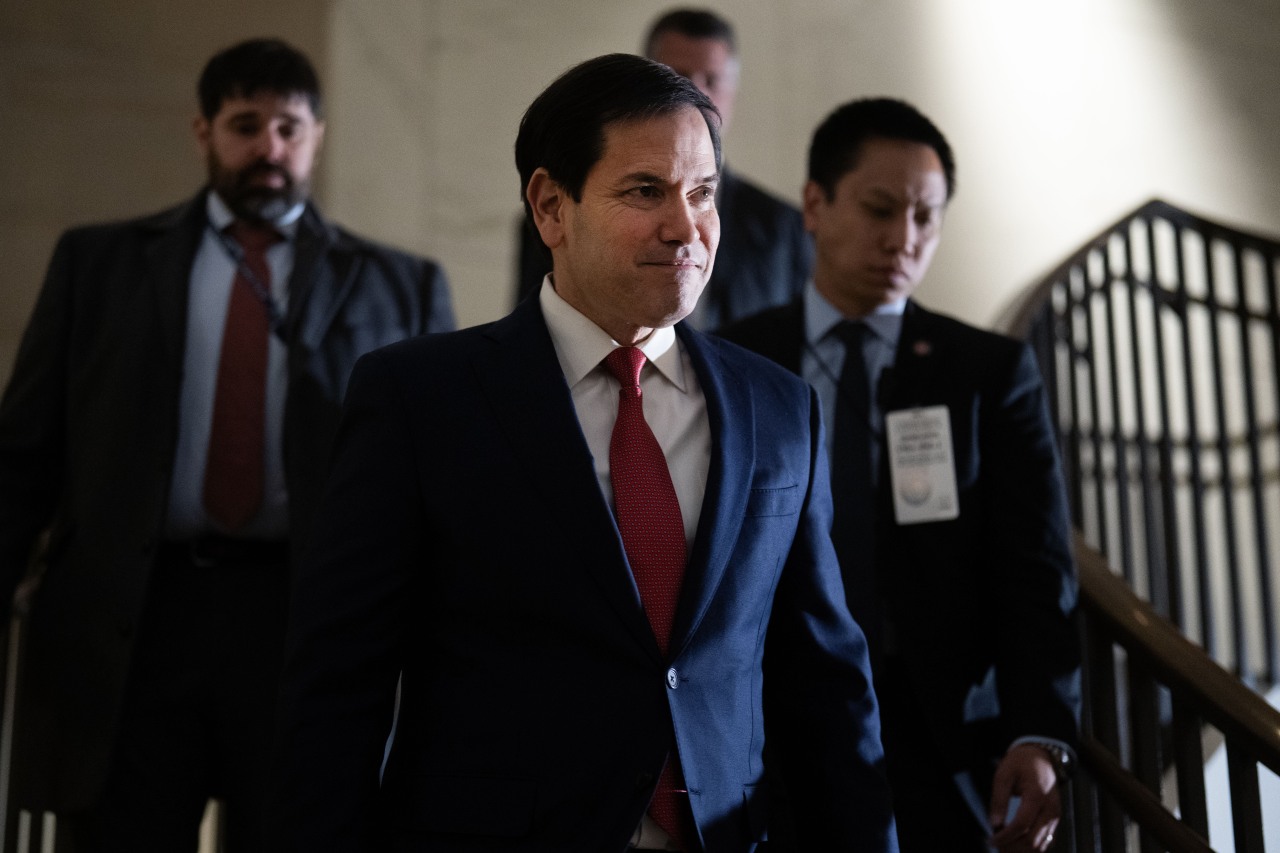
As the political landscape in the United States evolves, Secretary of State Marco Rubio has shifted his approach to foreign policy in Latin America. Once a vocal critic of former President Donald Trump, Rubio has emerged as one of Trump’s closest advisors, aligning himself with the administration’s “Make America Great Again” (MAGA) agenda. This transformation reflects his long-standing ambition to influence change in Latin America.
Rubio’s journey began during the 2016 Presidential Election, where he initially opposed Trump’s candidacy. His criticism focused on Trump’s policies and rhetoric, which Rubio believed undermined U.S. values and international relations. However, as Trump gained prominence, Rubio recognized the potential to reshape his influence within the Republican Party by embracing the MAGA movement.
Strategic Realignment and Influence
This strategic realignment has allowed Rubio to position himself as a key player in shaping U.S. policies toward Latin America. Since taking office, he has advocated for a more assertive stance against authoritarian regimes in the region, particularly in countries like Venezuela and Nicaragua. His efforts have garnered support from various political factions, highlighting the importance of a unified approach to governance.
In his role as Secretary of State, Rubio has emphasized the need for economic partnerships and support for democratic movements. He believes that fostering economic growth is essential to countering the influence of countries such as China and Russia in Latin America. This perspective aligns with the broader goals of the Biden administration, which has also prioritized strengthening ties with regional allies.
Rubio’s advocacy for democratic governance and economic development has resonated with many Latin American leaders. He has participated in multiple summits and discussions aimed at addressing issues such as corruption, human rights, and economic inequality. His ability to navigate these complex relationships underscores his commitment to creating a lasting impact in the region.
Looking Ahead: The 2024 Presidential Election
As the 2024 Presidential Election approaches, Rubio’s evolving political stance may play a crucial role in shaping the Republican Party’s platform. His experience and connections within the MAGA movement may position him as a potential candidate for higher office, should he choose to pursue that path. Observers note that his ability to balance traditional conservative values with the appeal of populism could resonate with a broad base of voters.
Rubio’s influence extends beyond domestic politics; his actions on the international stage have significant implications for U.S. foreign policy. With Latin America facing numerous challenges, including economic instability and political unrest, his focus on partnerships and democratic governance offers a roadmap for future engagement.
In summary, Marco Rubio’s transformation from a critic of Donald Trump to a key advisor reflects his ambition to reshape U.S. relations with Latin America. By embracing the MAGA agenda, he aims to promote democratic values and economic growth in the region. As the political landscape shifts, Rubio’s role may become even more pivotal in the years to come.