








































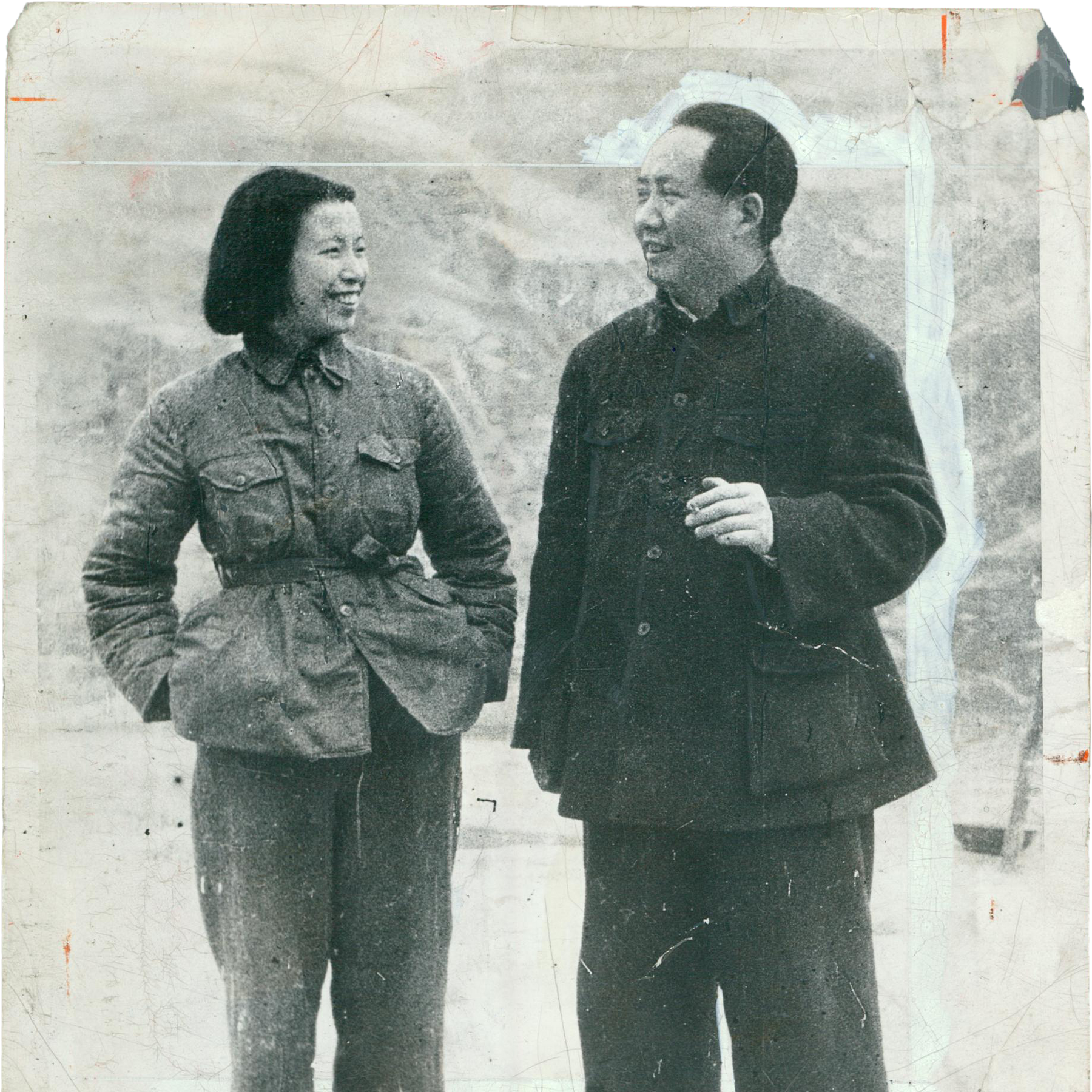
The tragic death of Jiang Qing, the widow of former Chinese leader Mao Zedong, has been reported as a suicide in 1991. Jiang, who was once a prominent actress, became a polarizing figure in Chinese history, particularly due to her influential role during the Cultural Revolution. Her passing marks the end of a controversial chapter in China’s political landscape.
Born into poverty in 1914, Jiang Qing rose to fame in the 1930s as an actress, eventually marrying Mao in 1939. Her ascent to power came as she became a key player in the political landscape of the People’s Republic of China. During the Cultural Revolution, which lasted from 1966 to 1976, she was a central figure in promoting radical policies and campaigns that led to widespread upheaval and suffering across the nation.
Jiang was often vilified for her uncompromising stance during this tumultuous period. Her involvement in cultural purges and the promotion of revolutionary art earned her a reputation as one of the most hated women in modern Chinese history. Following Mao’s death in 1976, Jiang fell from grace as the new leadership sought to distance itself from her actions and the legacy of the Cultural Revolution.
In the years following her husband’s death, Jiang faced numerous trials and challenges. She was arrested in 1976 and later sentenced to death, a sentence that was commuted to life imprisonment. Jiang spent the remainder of her life largely in seclusion, reflecting on her controversial role in shaping modern China.
On May 14, 1991, Jiang Qing was found dead in her prison cell. Authorities reported that she had taken her own life, a conclusion that sparked discussions about her legacy and the lasting impact of the Cultural Revolution. Jiang’s death not only symbolized the end of her personal saga but also served as a stark reminder of the turbulent times that shaped China in the 20th century.
Jiang Qing’s life and death continue to evoke strong emotions and varying interpretations in historical discourse. As a figure who played a significant role in one of China’s most transformative periods, her story remains a focal point for those studying the implications of political power, ideology, and cultural change in the country.
























