








































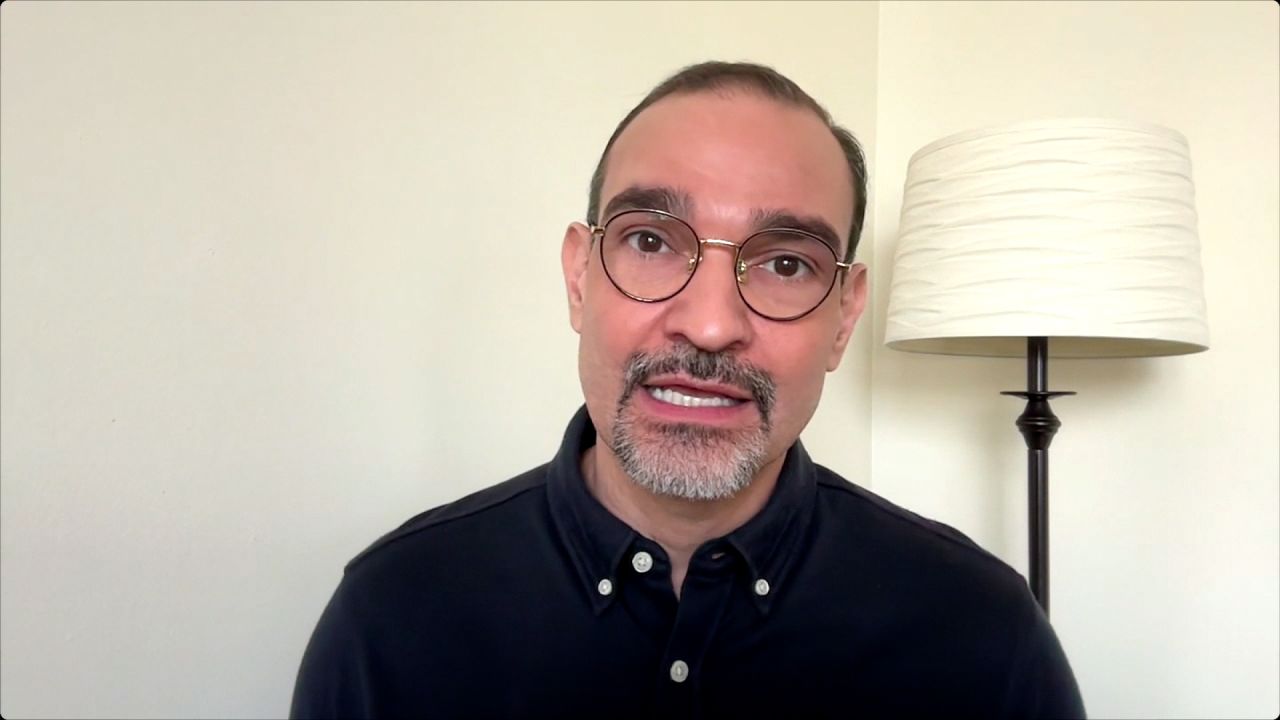
The Pentagon’s recent directive to pause initial training for military recruits living with HIV has drawn sharp criticism from HIV/AIDS activist and Broadway actor Javier Muñoz. Speaking with CNN correspondent Danny Freeman, Muñoz condemned the decision, asserting that it reflects “bigotry and discrimination” against those affected by the virus.
In a statement, Muñoz emphasized that this move sends a damaging message to both current and prospective service members. He pointed out that people living with HIV can serve in the military effectively, and the decision undermines their rights and capabilities. The Pentagon’s order, issued on October 10, 2023, halts the entry of recruits living with HIV, citing concerns over medical readiness and associated health issues.
Impact on Recruits and Public Perception
The implications of this pause are significant. It not only affects individual recruits but also perpetuates stigma surrounding HIV. Muñoz remarked, “This is not just about military policy; it’s about how society views individuals with HIV.” By reinforcing negative stereotypes, the Pentagon’s decision risks alienating a community that has worked tirelessly to combat misinformation and discrimination.
The Pentagon’s policy change has raised questions about the overall inclusivity of the military. Advocates argue that military readiness should not be compromised based on outdated beliefs about HIV. The Centers for Disease Control and Prevention (CDC) has indicated that advancements in treatment allow individuals with HIV to lead healthy lives, yet military policy has not kept pace with these medical advancements.
Muñoz’s advocacy has been instrumental in raising awareness about HIV/AIDS, particularly within the LGBTQ+ community. He highlighted the importance of representation and acceptance in all sectors, including the military.
Calls for Change and Advocacy Efforts
Many activists are now calling for a reevaluation of the Pentagon’s policy. Advocacy groups argue that the military should align its practices with current medical understanding and the rights of individuals living with HIV. The push for change is not just about military service; it reflects a broader societal need to eliminate stigma and discrimination against those living with the virus.
As public discourse around HIV continues to evolve, the response to this policy decision will likely shape future discussions about inclusivity in the military. Muñoz’s comments serve as a reminder that change often begins with speaking out against injustice, a sentiment echoed by many in the fight against HIV/AIDS.
The Pentagon has not yet responded to the backlash or provided further clarification on the rationale behind this decision. As discussions unfold, the hope remains that military policies will adapt to reflect a more inclusive and equitable approach toward individuals living with HIV.
























