Iceland is set to initiate discussions regarding its potential membership in the European Union (EU) as early as summer 2024. This announcement follows ongoing deliberations within the EU about offering partial membership to Ukraine. Sources familiar with the situation indicate that the Icelandic government plans to hold a referendum on EU accession by 2027, with an official date expected to be announced soon.
Located just south of the Arctic Circle in the North Atlantic, Iceland does not maintain a standing army, relying instead on its NATO membership and a bilateral defense agreement with the United States established in 1951 for its security. In recent months, several EU officials have visited Reykjavik to strengthen ties and assess the possibility of Iceland joining the bloc. A positive vote in favor of membership could position Iceland as one of the first countries to join the EU since Brexit in 2020.
Marta Kos, the EU Enlargement Commissioner, highlighted the evolving conversation surrounding EU expansion during a meeting with Iceland’s Foreign Minister Þorgerður Katrín Gunnarsdóttir. In her statement to Politico, she emphasized that the issue of enlargement is increasingly tied to security and a sense of belonging for all Europeans. “This concerns all Europeans,” she remarked, indicating a broader geopolitical context for the discussions.
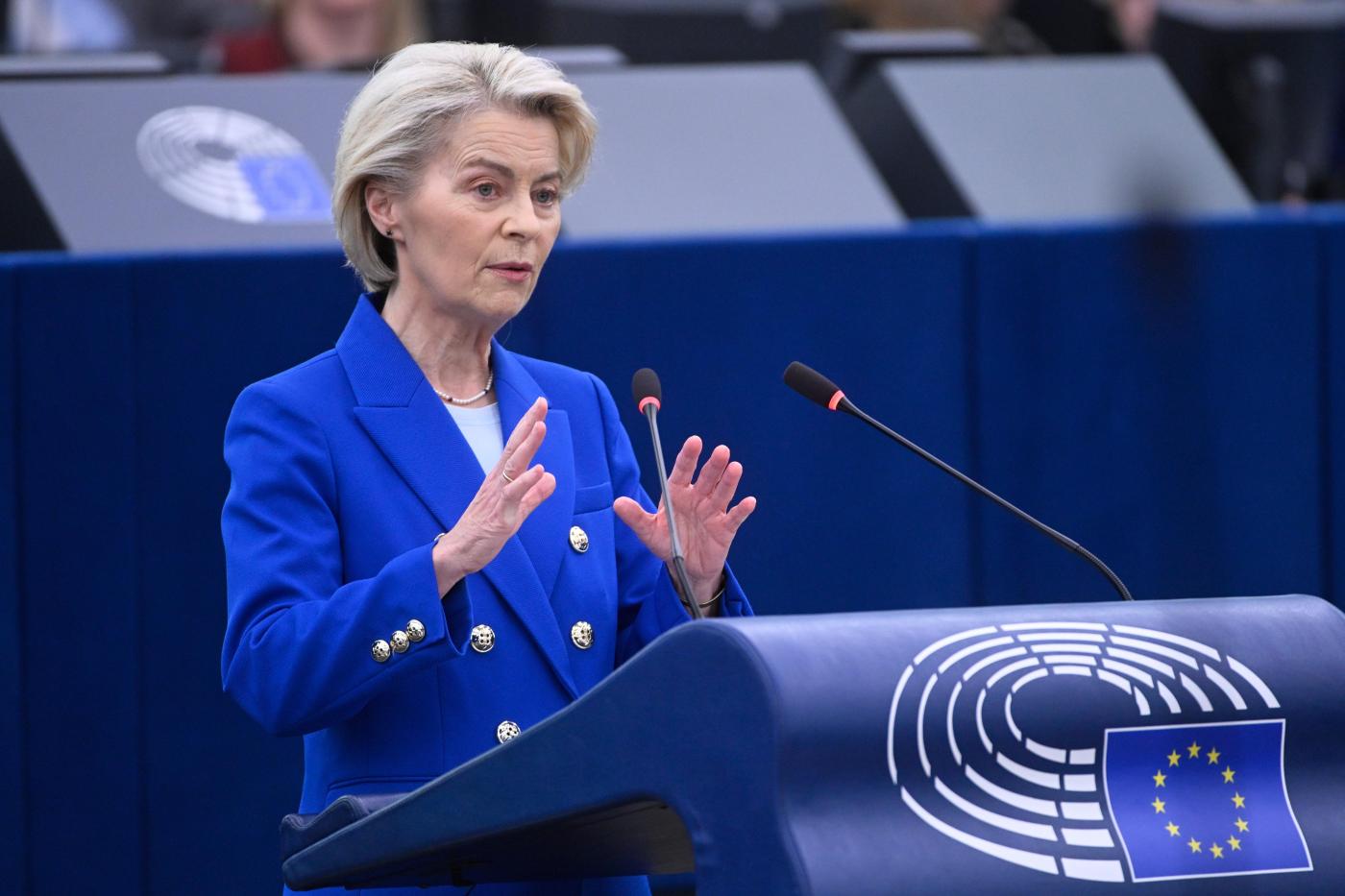
A prior meeting between Iceland’s Prime Minister Kristrún Frostadóttir and Ursula von der Leyen, the President of the European Commission, took place in Brussels. They underscored the importance of their partnership, describing it as a source of stability in a world marked by volatility. Frostadóttir noted the necessity for Iceland’s unique Arctic identity and resource management practices to be respected in any future negotiations.
While discussions move forward, fishing rights present a significant challenge. The fishing industry is vital to Iceland’s economy and has been a contentious issue in previous EU negotiations. An EU official acknowledged, “In the end, it comes down to fish; that was always the issue.” Nevertheless, the departure of the United Kingdom from the EU may have shifted the dynamics around fishing rights, potentially easing this obstacle.
Recent opinion polls indicate a growing interest in EU membership among Icelanders. A survey conducted by Prósent in 2025 revealed that 45% of respondents supported accession, while 35% opposed it. A similar poll by Gallup reported 44% in favor and 36% against joining the EU. These statistics suggest a slight majority of the population may be leaning towards membership, setting the stage for a potentially transformative decision in the coming years.
As Iceland prepares to embark on this significant journey, the implications of joining the EU could resonate beyond its borders, affecting regional stability and international relations in the Arctic and beyond.