








































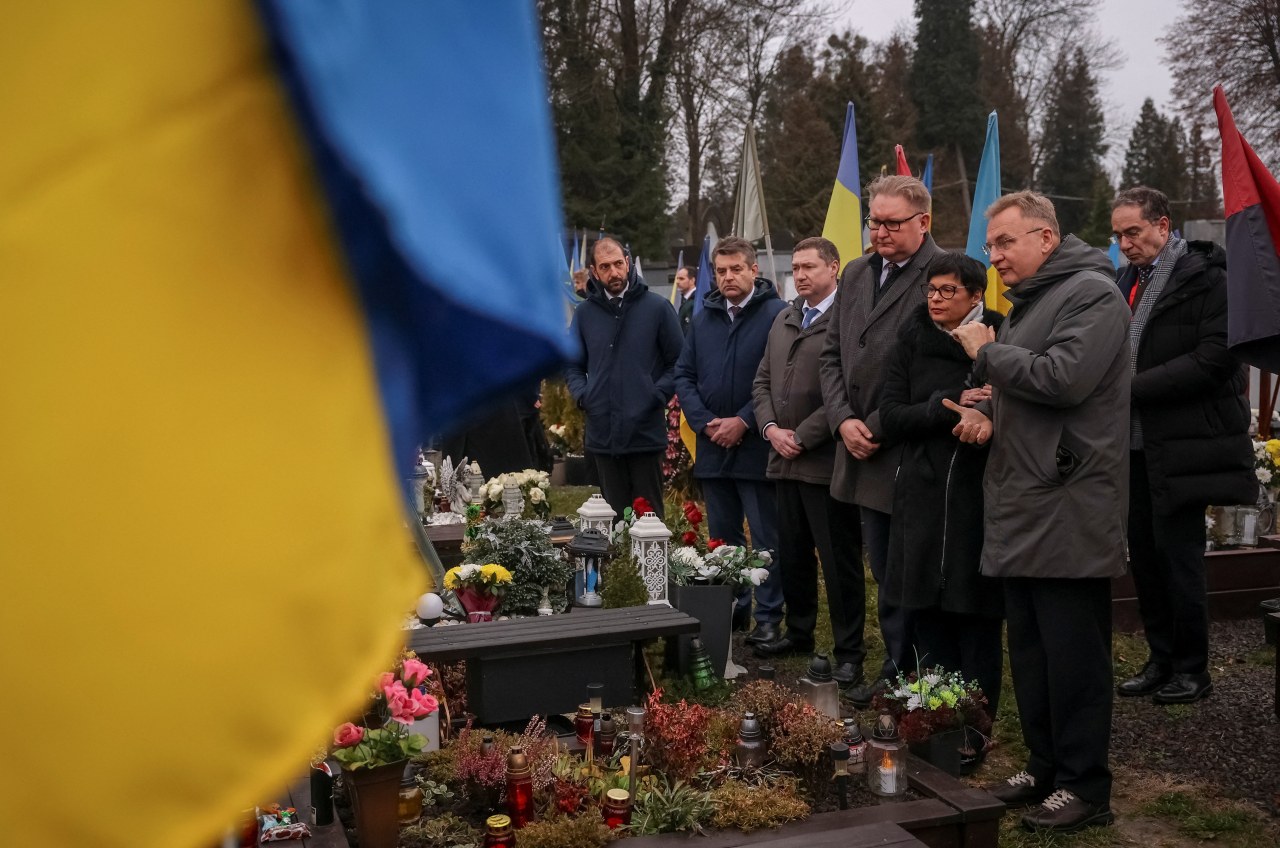
European leaders are increasingly prioritizing Ukraine’s stability over the prospect of negotiating a deal with Russia. This shift reflects a deep-seated understanding that a poor agreement could ultimately jeopardize their own security. The ongoing conflict, which has seen significant military and humanitarian impacts, continues to shape the geopolitical landscape of Europe.
The ramifications of a hasty peace agreement with Russia are significant. According to a report by the European Council on Foreign Relations, a compromised deal could embolden Russia, allowing it to retain key territorial gains and potentially encourage further aggression. The stakes are high, as European nations recognize that their own security is intertwined with Ukraine’s fate.
In March 2024, Ukraine’s President Volodymyr Zelensky reiterated the importance of continued support from Western allies. His statement came during a meeting with leaders from the European Union and NATO, where he emphasized that any negotiation must prioritize Ukraine’s sovereignty. “We cannot afford to let our guard down,” he stated, highlighting the risks of a settlement that fails to address the core issues at stake.
Geopolitical Implications of Negotiation
The geopolitical landscape in Europe has shifted dramatically since the onset of the conflict in 2022. As Russia continues its military operations, the potential for a deal that might allow for the normalization of relations has become a contentious topic. Several European nations have expressed concerns that a weak agreement could lead to a resurgence of Russian influence in Eastern Europe.
A survey conducted by the European Parliament revealed that nearly 70% of European citizens believe that a decisive victory for Ukraine is essential for long-term peace in the region. This sentiment underscores the widespread belief that anything less than a complete resolution of the conflict could destabilize Europe for years to come.
Moreover, European leaders are aware that the cost of a prolonged conflict is unsustainable. According to estimates from the International Monetary Fund, Ukraine requires approximately $5 billion monthly to support its economy during the war, a burden that Western allies have largely shouldered. This financial commitment further complicates the calculus around negotiating peace, as many leaders fear that a deal could inadvertently signal a retreat from supporting Ukraine.
Strategic Alliances and Future Challenges
The relationship between Europe and Ukraine has evolved into a strategic alliance, with significant military and economic support flowing from Western nations. NATO has ramped up its presence in Eastern Europe, conducting joint exercises and reinforcing member states bordering Russia. This military readiness is a clear indication of the commitment to deter any further Russian advances.
European leaders, including German Chancellor Olaf Scholz and French President Emmanuel Macron, have affirmed their support for Ukraine in recent public statements. They emphasize that the lessons learned from past negotiations with Russia must guide future engagements. “We must not repeat the mistakes of the past,” Macron warned, reflecting a broader consensus among Western allies.
As the conflict continues, Ukraine’s allies face the delicate balance of providing necessary support while navigating the complexities of international diplomacy. The upcoming months will be critical, as both military and economic pressures mount on all sides. The decisions made now will undoubtedly shape the future of European security and the stability of the region.
In conclusion, Europe’s commitment to Ukraine is driven by more than just a desire to see an end to the conflict; it is a matter of self-preservation. Any negotiation with Russia must be approached with caution, as the potential consequences of a flawed deal could have far-reaching implications for the entire continent.
























