








































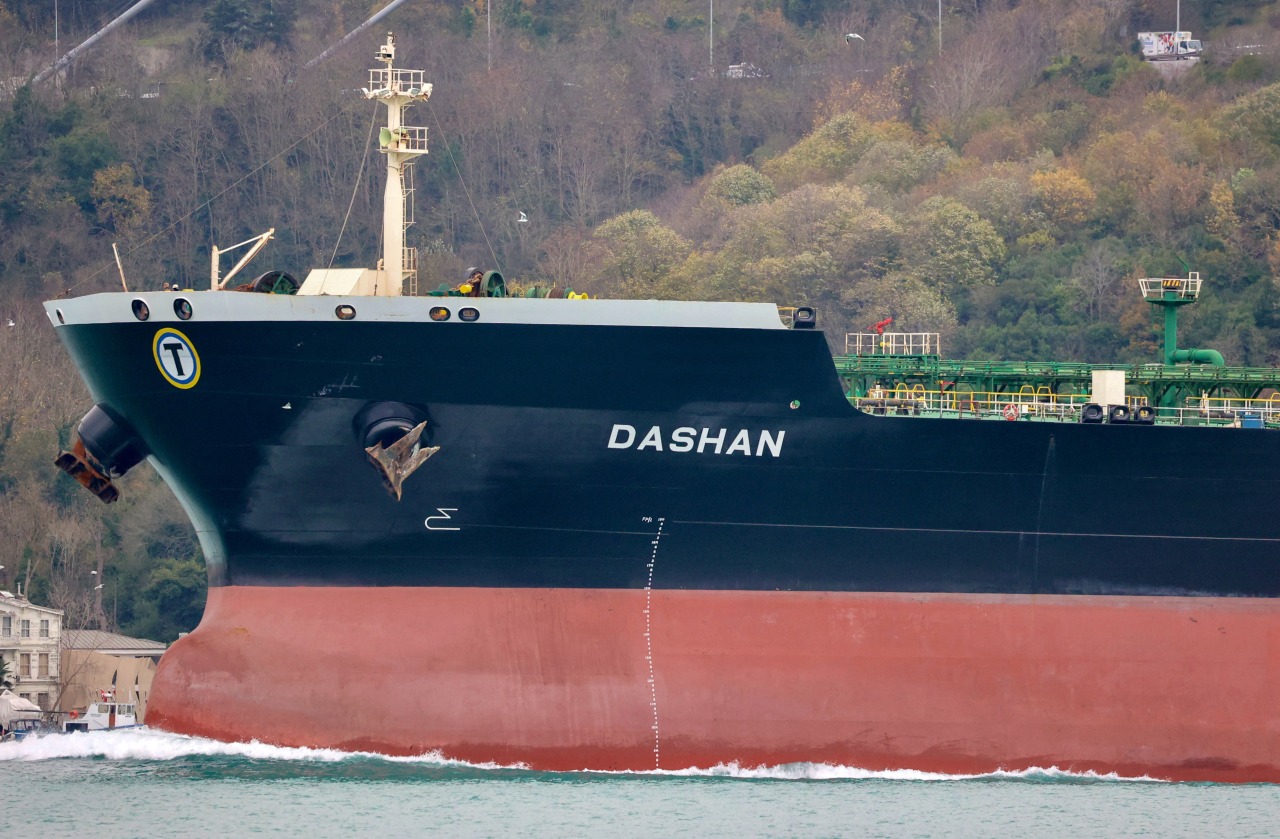
The European Union is intensifying its scrutiny of Turkey’s oil-storage facilities in response to increasing concerns about Russian energy supplies. This development signals a pivotal moment in the EU’s strategy to reduce reliance on Russian energy, particularly following the ongoing geopolitical tensions stemming from the conflict in Ukraine.
Turkey’s role as a significant transit point for Russian oil has drawn the EU’s attention. The bloc is now considering imposing sanctions on entire ports associated with oil storage and transit. These measures are aimed at curbing the flow of Russian energy resources that have been under previous sanctions. As the situation evolves, the EU is evaluating its options to effectively limit Russia’s access to European markets.
Turkey has emerged as a key player in this landscape due to its strategic geographic position. The nation has facilitated the transfer of Russian oil, allowing it to circumvent sanctions imposed by Western nations. With its oil-storage facilities reportedly handling substantial volumes of Russian crude, the EU’s increased scrutiny could have significant implications for Turkey’s energy partnerships and economic landscape.
The EU’s proposed sanctions could target specific ports and storage facilities that are instrumental in the transportation of Russian oil. This move could lead to broader repercussions for Turkey’s economy, particularly in the energy sector. The potential for sanctions reflects the EU’s commitment to diminishing Russian influence and finding alternative energy sources.
As of October 2023, the EU’s strategy remains focused on ensuring energy security while navigating complex geopolitical relations. The bloc’s decision to examine Turkey’s oil-storage capabilities underscores the intricate dynamics at play in international energy markets.
The implications of these developments extend beyond politics, impacting global energy prices and supply chains. With Turkey’s economy heavily reliant on energy imports, the EU’s actions may create ripple effects that could alter the balance of power in the region. If sanctions are imposed, Turkey may need to seek alternative partnerships or adjust its energy strategies to mitigate potential economic fallout.
In conclusion, the EU’s intensified focus on Turkey’s role in the Russian energy supply chain highlights a critical juncture in European energy policy. As the situation unfolds, stakeholders across the globe will be watching closely to gauge the impact of these measures on both Turkey and the broader energy market. The evolving relationship between the EU and Turkey will likely shape the future of energy security in Europe and beyond.
























