








































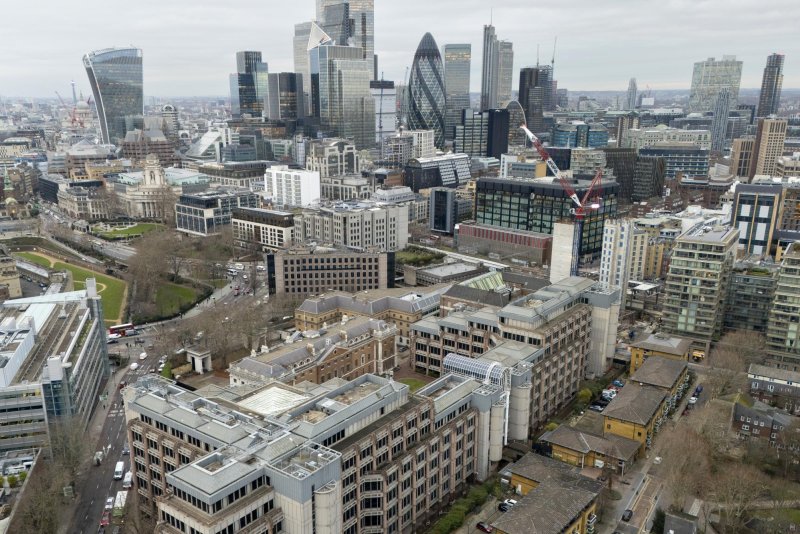
The British government has approved plans for a new Chinese embassy in central London, a project that will cover approximately 215,000 square feet. The decision, made on January 20, 2024, marks the end of a seven-year delay. Nevertheless, the project faces potential legal challenges from local residents who are concerned about the implications of the embassy’s construction, which some fear could lead to evictions.
Communities Secretary Steve Reed announced the approval despite significant opposition. Critics have voiced concerns about the embassy’s potential role in espionage and surveillance activities, particularly given its proximity to sensitive infrastructure, including critical underground fiber-optic networks. These fears are heightened by the presence of Chinese dissidents who have sought asylum in the UK. Reed stated that both domestic and foreign intelligence agencies, along with the Home Office and Foreign Office, deemed the risks manageable.
Local residents are organizing to contest the embassy’s construction, with the Royal Mint Court residents’ association planning a judicial review of the government’s decision. Mark Nygate, treasurer of the association, expressed the community’s determination to challenge the approval, citing worries over disruptions and protests that the embassy may attract. “The residents are determined to keep fighting today’s decision,” Nygate remarked.
Despite the local backlash, Reed asserted that no governmental bodies responsible for national security had raised objections based on the embassy’s location. He emphasized that ethical concerns should not influence planning decisions. Reed acknowledged that while the decision is final, a successful legal challenge could still halt the project.
This embassy will be China’s largest worldwide, featuring accommodation for 200 staff, office space, and significant underground facilities. The site was purchased by the Chinese government for $339 million in 2018 and includes protected buildings and residential areas.
The approval of the embassy has drawn criticism from various political factions. The opposition Conservative Party, which initially granted diplomatic-level approval for the project, expressed disappointment with the Labour government’s decision. Shadow Communities Secretary James Cleverly characterized the approval as “a disgraceful act of cowardice from a Labour government.”
Furthermore, Shadow Foreign Secretary Priti Patel accused Prime Minister Keir Starmer of compromising national security in favor of diplomatic relations with China. Patel claimed that Starmer’s administration has consistently yielded to Beijing, describing the new embassy as a “colossal spy hub in the heart of our capital.”
As the UK prepares for Starmer’s anticipated visit to Beijing in February 2024, the embassy decision highlights the ongoing complexities in Sino-British relations, particularly following the introduction of a national security law in Hong Kong that has strained ties between the two nations.
While the government maintains that establishing embassies is a standard aspect of international relations, the concerns raised by local communities and political opponents suggest that the path forward may be fraught with legal and public relations challenges.
























