








































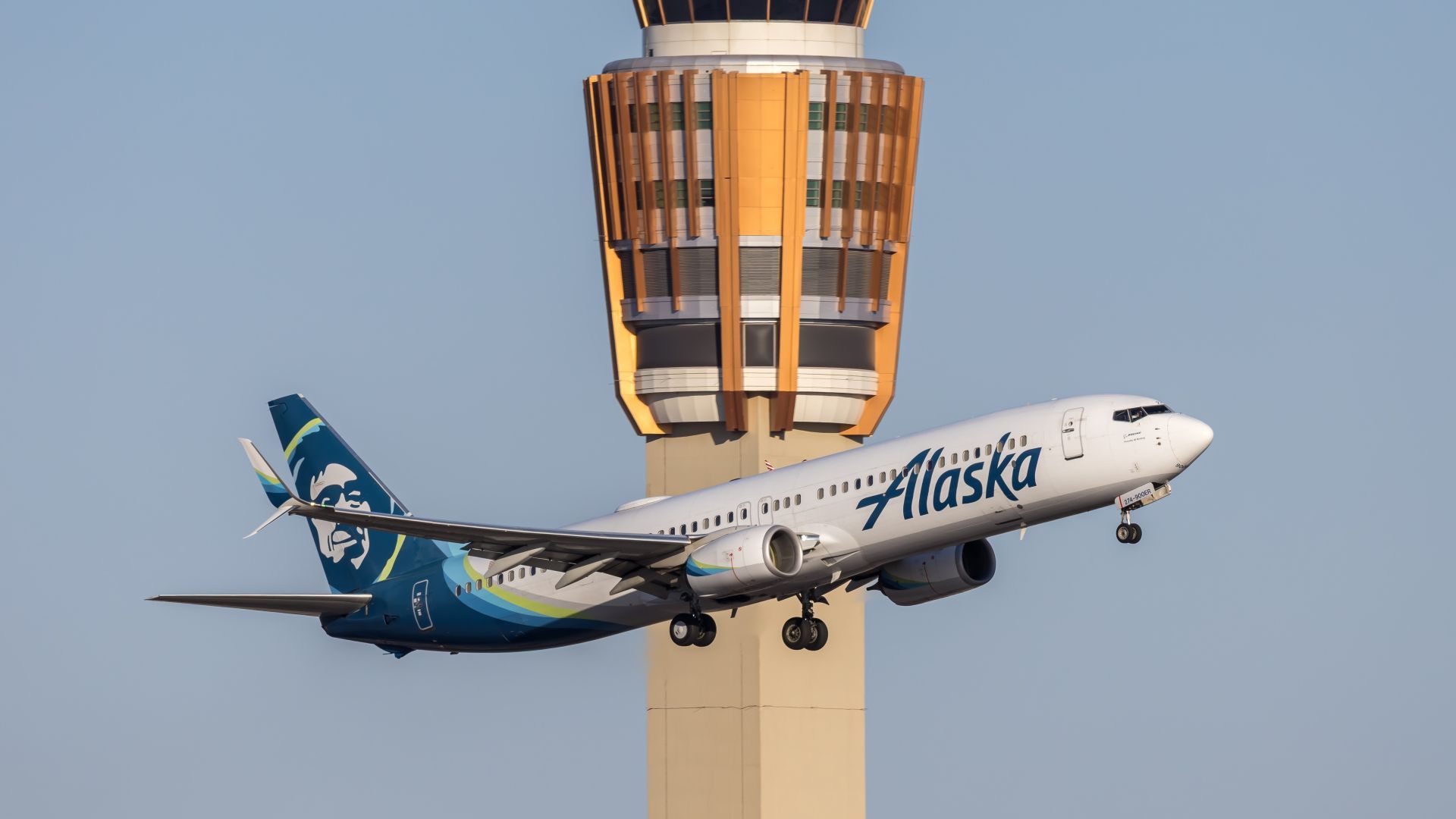
Alaska Airlines has officially retired its long-standing slogan, “Proudly All Boeing,” as part of significant changes following its merger with Hawaiian Airlines. The integration of Airbus aircraft into Alaska’s fleet marks a new chapter for the airline, which will no longer rely solely on Boeing for its operations. This decision reflects the evolving dynamics of both carriers as they consolidate their fleets and expand their international reach.
The merger brings a variety of aircraft into Alaska’s operations, notably the Airbus A321 and A330 models. These planes are expected to remain active for many years, primarily serving routes between the continental United States and Hawaii. The Airbus A321 fleet includes 18 single-aisle jets, while the A330 fleet consists of 22 A330-200 and 10 A330-300 aircraft. This new arrangement enhances Alaska’s ability to operate diverse routes while maintaining a connection to Hawaiian Airlines’ established brand.
A Broader Fleet Strategy
Alaska Airlines currently operates a fleet of 248 Boeing 737s, primarily consisting of the 737-900ER and the 737 Max 9 models. The airline is also set to introduce Boeing 787 Dreamliners, marking its first acquisition of long-haul twin-aisle aircraft directly from the manufacturer. The 787, which features composite materials making up around 80% of the airframe by volume, will significantly enhance Alaska’s capabilities for international travel.
In remarks about the merger, Alaska Air Group President and CEO Ben Minicucci emphasized the collaborative effort involved, stating, “This was a year-long, multi-phase effort involving multiple departments and thousands of hours of work… This is an important step in our journey as a combined organization, and I’m excited about our future together.” The airlines have received a joint operating certificate from the Federal Aviation Administration, allowing them to function as a unified fleet.
The Airbus A330 aircraft will play a crucial role in Alaska’s ambition to become a global carrier. These planes have the range to fly longer distances, allowing Alaska to develop new international routes. Initially, the A330 jets will operate flights from Seattle-Tacoma International Airport to destinations such as Tokyo Narita and Seoul Incheon. For the first time, some A330 jets will also facilitate Alaska’s routes to Europe, including cities like London, Reykjavik, and Rome.
Future Developments and Upgrades
As part of its modernization efforts, Alaska Airlines plans to retrofit the A330 fleet starting in March 2028. Upgrades will include new lie-flat suites, premium economy cabins, and advanced entertainment systems. This initiative reflects Alaska’s commitment to enhancing passenger experience while expanding its network.
The Airbus A321neo, which is part of the updated fleet, serves a unique niche by offering improved range and fuel efficiency for overwater routes. It is anticipated that these aircraft will launch new international routes from Seattle alongside the larger A330s. While many A321neo jets will keep the iconic “Pualani” logo of Hawaiian Airlines, some may feature a new “Global Livery” inspired by the aurora borealis, illustrating Alaska’s refreshed vision as it embraces a broader global network.
Overall, the merger with Hawaiian Airlines presents a transformative opportunity for Alaska Airlines. By diversifying its fleet and expanding its international reach, Alaska is positioning itself for future growth while maintaining its commitment to quality service. The integration of Airbus aircraft alongside Boeing’s offerings exemplifies the airline’s strategic approach to evolving market demands.
























