








































The landscape of aviation has transformed significantly since the introduction of the first jet-powered airliner, the De Havilland Comet. Although it marked the beginning of jet travel, the true onset of the Jet Age is credited to the launch of the Boeing 707 and the Douglas DC-8 in the late 1950s. These aircraft not only featured larger and more powerful engines but also incorporated advanced technology that redefined air travel.
The Boeing 707 and Douglas DC-8 became commercial successes, with over 1,000 units of the 707 sold, including its variant the 720, and more than 500 DC-8s delivered to airlines worldwide. This surge in sales established jet engines as the dominant choice for large aircraft propulsion, a trend that continues to this day.
Advancements in Engine Size and Power
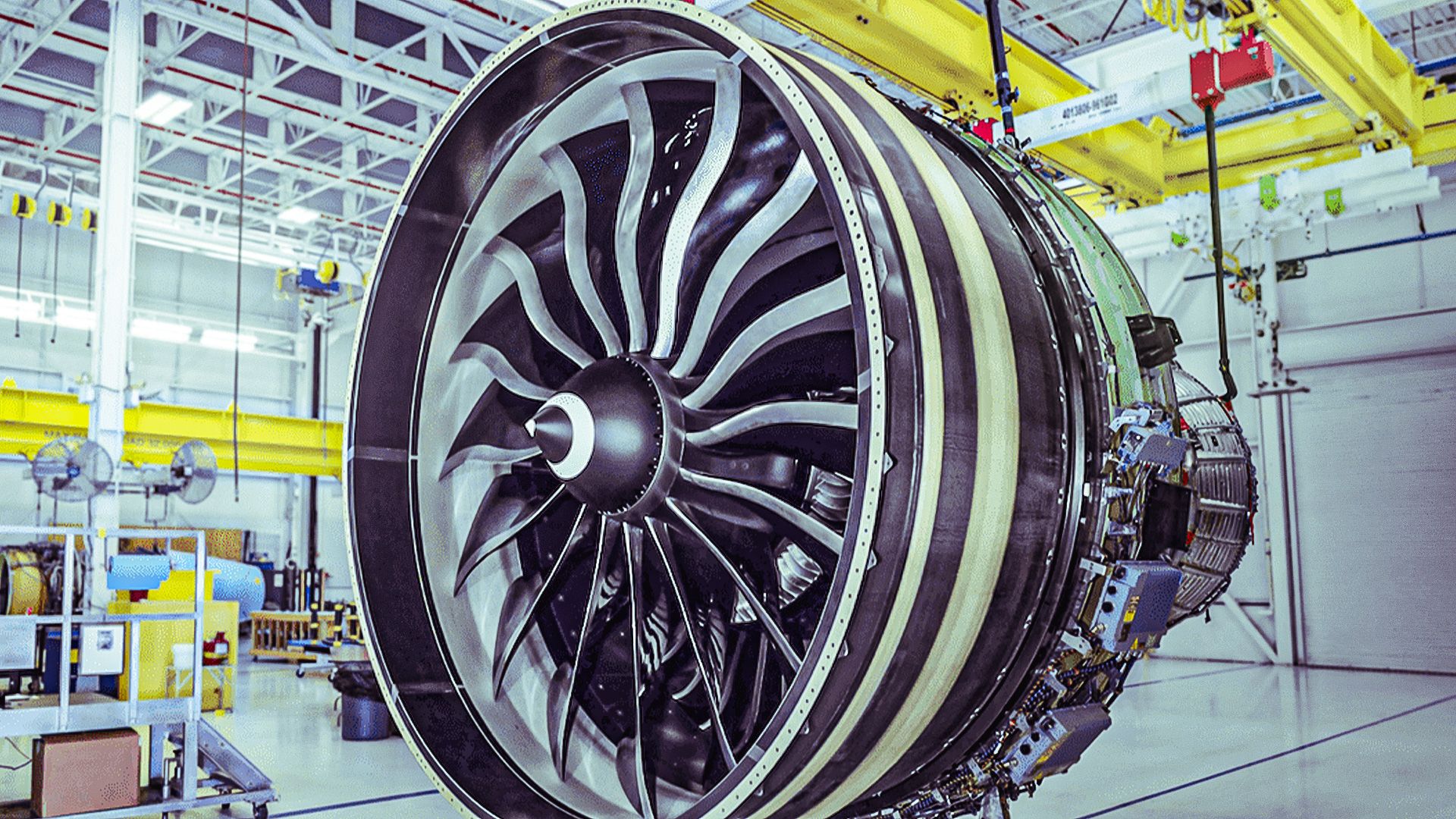
Compared to the early jet aircraft, today’s engines are considerably larger and more efficient. For instance, the engines on modern aircraft like the Boeing 787 Dreamliner and the Airbus A350 are designed to produce significantly more thrust while consuming less fuel. The advancements in materials and aerodynamics have contributed to this growth, enabling aircraft to fly farther and more economically.
The evolution of engine technology is evident in the transition from the Pratt & Whitney JT3C engine used on the Boeing 707 to the current generation of high-bypass turbofan engines. These modern engines are not only larger but also quieter and produce fewer emissions, aligning with international regulations aimed at reducing aviation’s environmental impact.
Impact on Commercial Aviation
The increase in engine size and capability has had a profound effect on the commercial aviation industry. Airlines benefit from the ability to operate longer routes without the need for refueling, which enhances operational efficiency and reduces costs. Additionally, larger engines allow for increased passenger capacity, making air travel more accessible to the public.
As airlines continue to modernize their fleets, the demand for advanced aircraft engines remains high. The global aerospace market is projected to grow significantly, driven by the need for more fuel-efficient and environmentally friendly aircraft. Manufacturers are investing heavily in research and development to meet these demands, paving the way for the next generation of aircraft engines.
In summary, the aviation industry has witnessed remarkable advancements since the Jet Age began with the De Havilland Comet. The introduction of the Boeing 707 and Douglas DC-8 not only changed the design and capabilities of commercial aircraft but also set a new standard for propulsion technology that continues to evolve today.
























