








































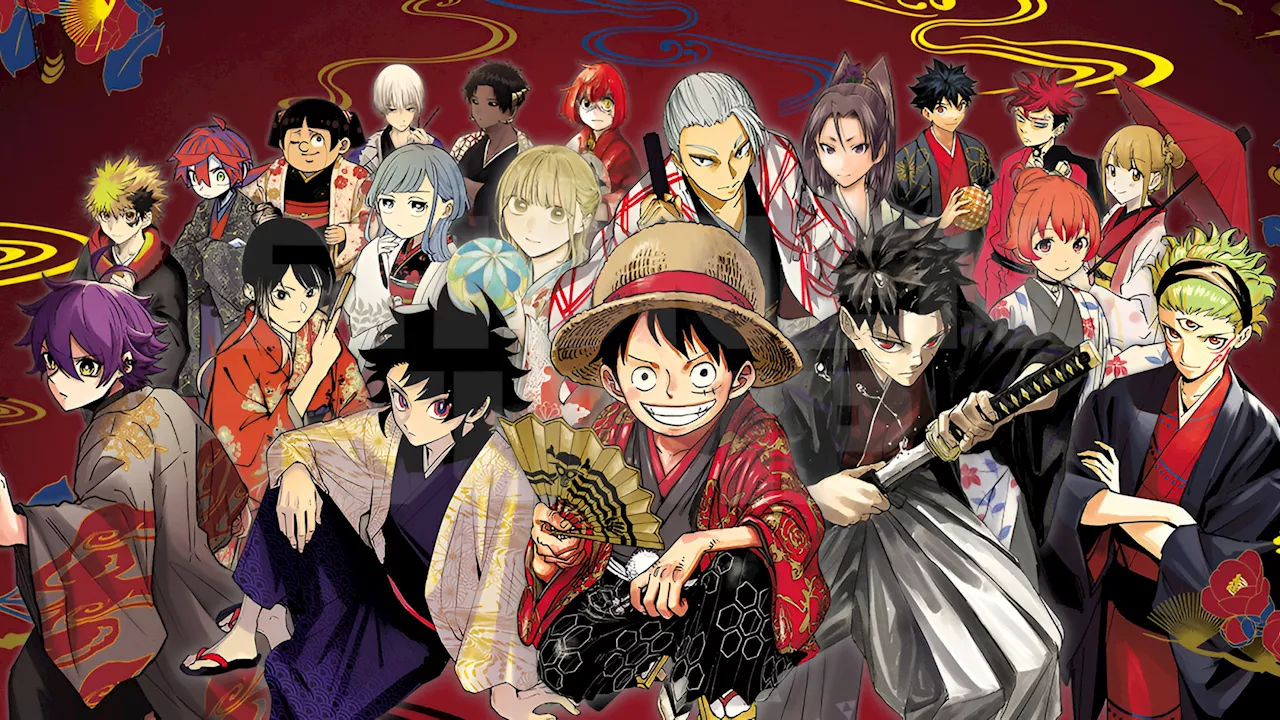
The impact of the Weekly Shōnen Jump (WSJ) on the anime industry is profound, with numerous beloved series originating from the magazine. Many of these series have achieved further success through anime adaptations, highlighting the magazine’s role as a breeding ground for popular content. However, not all adaptations have met fan expectations, leading to considerable disappointment among audiences.
One notable example of adaptation failure is the anime series based on a particular manga that gained significant acclaim due to its compelling mystery and intense art style. The Shogakukan Manga Award winner, which debuted in 2018, quickly captured readers’ attention. Despite its initial success, the anime adaptation produced by CloverWorks in 2019 faced criticism, particularly with its second season, which aired in 2021. While the first season remained relatively faithful to the source material, the second season diverged significantly by skipping key story arcs and altering the narrative, much to the dismay of fans.
The disappointment over this adaptation has become a topic of ongoing discussion within the community, with fans joking about the series never receiving a proper continuation. Such sentiments reflect a broader trend where beloved stories fail to translate effectively to the screen, a recurring issue in the anime industry.
As the industry evolves, streaming platforms continue to adjust their offerings. For instance, a major platform announced its January 2026 lineup, which includes new additions such as Black Bullet and Kamigami no Asobi. While some series are being removed, fans will still have access to their favorite titles on platforms like Crunchyroll, Hulu, and Disney+. The manga, which concluded in 2020, is also available for readers on Manga Plus and Shonen Jump, along with links to purchase all 20 volumes through Viz Media.
This dynamic landscape illustrates not only the successes of adaptations but also the challenges faced by creators in meeting fan expectations. The disparity between source material and its animated counterpart can lead to a disconnect that fans are quick to highlight. As the anime industry continues to grow, understanding the balance between creativity and fidelity to original works remains crucial for success.
In summary, while Weekly Shōnen Jump continues to thrive, producing popular series that resonate with audiences globally, the ongoing conversation about adaptation quality underscores the complexities of translating manga to anime. As both industries evolve, the experiences of fans and creators alike will shape the future of storytelling in this vibrant medium.
























