








































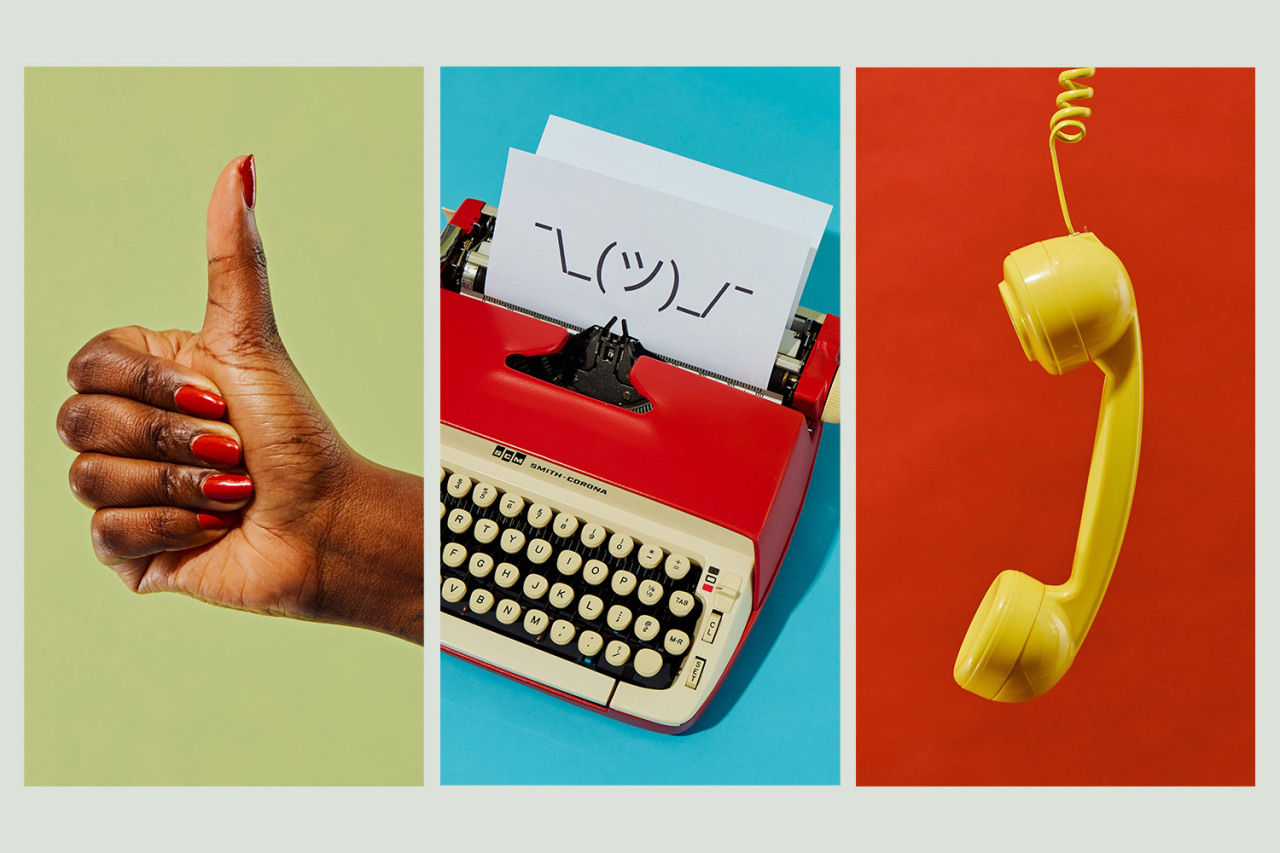
A recent quiz on workplace etiquette has sparked significant discussion among readers, revealing differing opinions on what constitutes good manners in modern professional settings. The test, designed to highlight common etiquette dilemmas, left many participants questioning their understanding of acceptable behavior.
The response to the quiz was overwhelming, with thousands of readers participating and sharing their thoughts through various platforms. While some individuals successfully navigated the questions, the majority found themselves challenged by scenarios that reflect the complexities of contemporary workplace interactions. This engagement underscores a growing interest in workplace culture and the nuances of professional conduct.
Engaging with Overachievers’ Insights
In light of the quiz results, many self-identified overachievers stepped forward to share their personal tips for navigating workplace etiquette. Their insights range from simple gestures like timely communication to more nuanced approaches such as understanding cultural differences in professional settings. One participant emphasized the importance of “active listening” during meetings, stating, “It shows respect and encourages collaboration.”
Another reader highlighted the significance of body language and non-verbal cues, particularly in remote work environments. They noted that maintaining eye contact during video calls can enhance engagement and foster a sense of connection, even through a screen. These practical suggestions reflect a desire among professionals to cultivate a more respectful and considerate workplace culture.
Understanding the Shift in Workplace Norms
The debate surrounding etiquette in the workplace is not merely academic; it reflects a broader shift in how professionals interact. As more companies adopt flexible work arrangements, traditional notions of professionalism are being redefined. Readers expressed varying opinions on issues such as appropriate dress codes, communication styles, and the balance between casual and formal interactions.
Interestingly, the quiz highlighted generational differences in perspectives on workplace etiquette. Younger participants tended to advocate for more relaxed approaches, arguing that authenticity and comfort should take precedence over strict formality. Conversely, older readers often emphasized the importance of maintaining a level of professionalism, particularly in client-facing roles.
As the dialogue continues, it is clear that workplace etiquette remains a pertinent topic for discussion. The insights gained from the quiz and subsequent reader contributions may serve as a valuable resource for organizations aiming to foster a positive work environment. Understanding these evolving norms can help employees navigate their professional relationships more effectively.
In conclusion, the workplace etiquette quiz not only challenged readers but also ignited a broader conversation about behavior in professional settings. As individuals continue to share their experiences and insights, it becomes evident that good manners are as much about respect and understanding as they are about adhering to traditional norms. The ongoing discussions are likely to shape future workplace culture, emphasizing the importance of adaptability and open-mindedness in an ever-changing professional landscape.
























