








































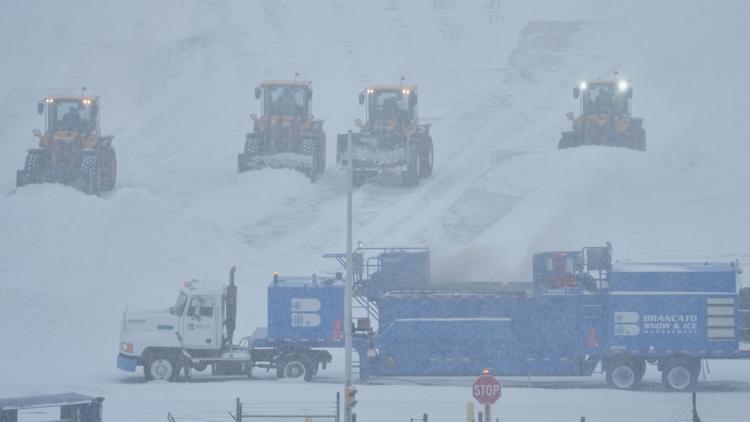
A powerful winter storm has led to unprecedented flight cancellations across the Northeast United States, marking the most significant disruption since the onset of the COVID-19 pandemic. By midday on January 14, 2024, major airports, including Logan International Airport, Newark Liberty International Airport, John F. Kennedy International Airport, and LaGuardia Airport, reported thousands of canceled flights due to severe weather conditions.
The National Weather Service issued warnings for heavy snow and strong winds, anticipating blizzard-like conditions in various regions. As a result, airlines scrambled to adjust their schedules, with estimates indicating that over 3,000 flights had been canceled nationwide by Sunday afternoon. This disruption has left thousands of travelers stranded, seeking alternative means to reach their destinations.
Travelers experienced long lines and crowded terminals as they attempted to rebook flights or find accommodations. Many had been planning to return home after the holiday season, only to be met with unexpected delays. The ripple effects of the cancellations extended beyond the Northeast, affecting flights to and from cities across the country.
Airlines faced significant pressure to manage the situation. In a statement, a representative from one major carrier noted, “Our teams are working diligently to accommodate affected passengers and ensure safety during these severe weather events.” As the storm continued to move through the region, forecasts suggested that conditions would gradually improve, but disruptions were expected to linger into the following days.
Travel experts advise passengers to stay informed about their flight statuses and to check with airlines for the latest updates. Many airlines have initiated flexible rebooking policies to assist travelers impacted by the storm.
The current weather situation serves as a reminder of the challenges posed by winter travel, particularly during peak travel periods. As the storm moves out of the Northeast, airlines anticipate a gradual return to normal operations, although some delays may still occur as air traffic picks up.
For those planning to travel in the coming days, it is essential to remain vigilant and prepared for potential changes in travel plans. The winter storm’s aftermath highlights the importance of flexibility and proactive communication in the travel industry, especially during extreme weather events.
























