








































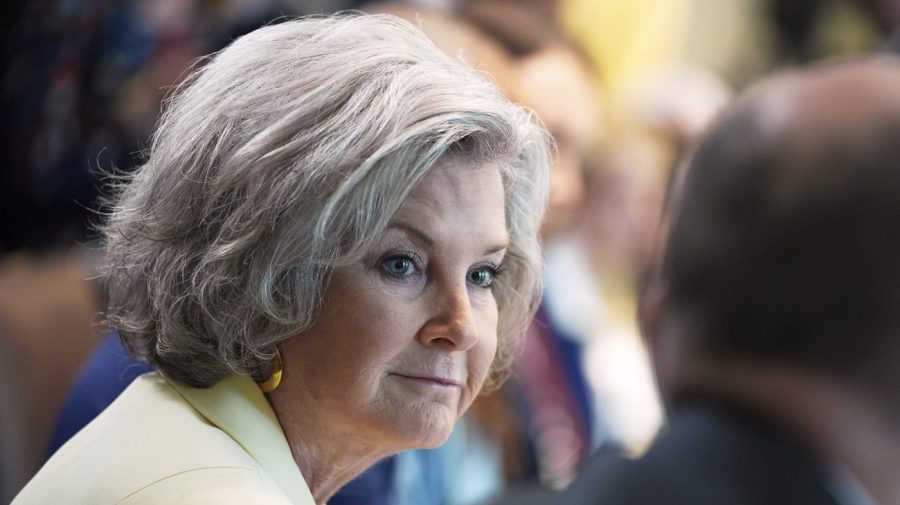
White House Chief of Staff Susie Wiles has publicly condemned a recent interview published by Vanity Fair, characterizing it as a “disingenuously framed hit piece.” The article, released on October 3, 2023, addresses Wiles, President Donald Trump, members of the Cabinet, and White House staff, suggesting a negative portrayal of their roles and contributions.
Wiles expressed her concerns through a statement, emphasizing that “significant context was disregarded” in the interview. She argued that her comments, along with those of her colleagues, were selectively presented, thereby distorting the overall narrative. This response highlights ongoing tensions between the Trump administration and various media outlets, particularly those perceived as critical.
In her statement, Wiles defended the administration’s achievements and the dedication of its staff. She criticized the interview for not adequately reflecting the “commitment and hard work” of the team involved in governance.
The Vanity Fair piece discussed a range of topics, including the dynamics within the White House and the challenges faced by the administration. Wiles’s rebuttal raises questions about media representation and the potential impact of such portrayals on public perception.
Wiles’s comments come at a time when the political landscape remains contentious, with various factions within the government and the media engaging in frequent disputes over narratives. Her remarks serve as a reminder of the delicate relationship between political figures and the press, particularly in an era marked by deeply polarized views.
The response from Wiles is not an isolated incident; it reflects a broader trend within the current administration to confront and challenge media narratives that officials deem unfair or inaccurate. As the landscape of political communication evolves, the ways in which public figures engage with the media will likely continue to shape discourse and public opinion.
Wiles’s strong condemnation of the Vanity Fair article underscores the ongoing battles over narrative control in contemporary politics, where the portrayal of leaders can significantly influence their public image and effectiveness.
























