








































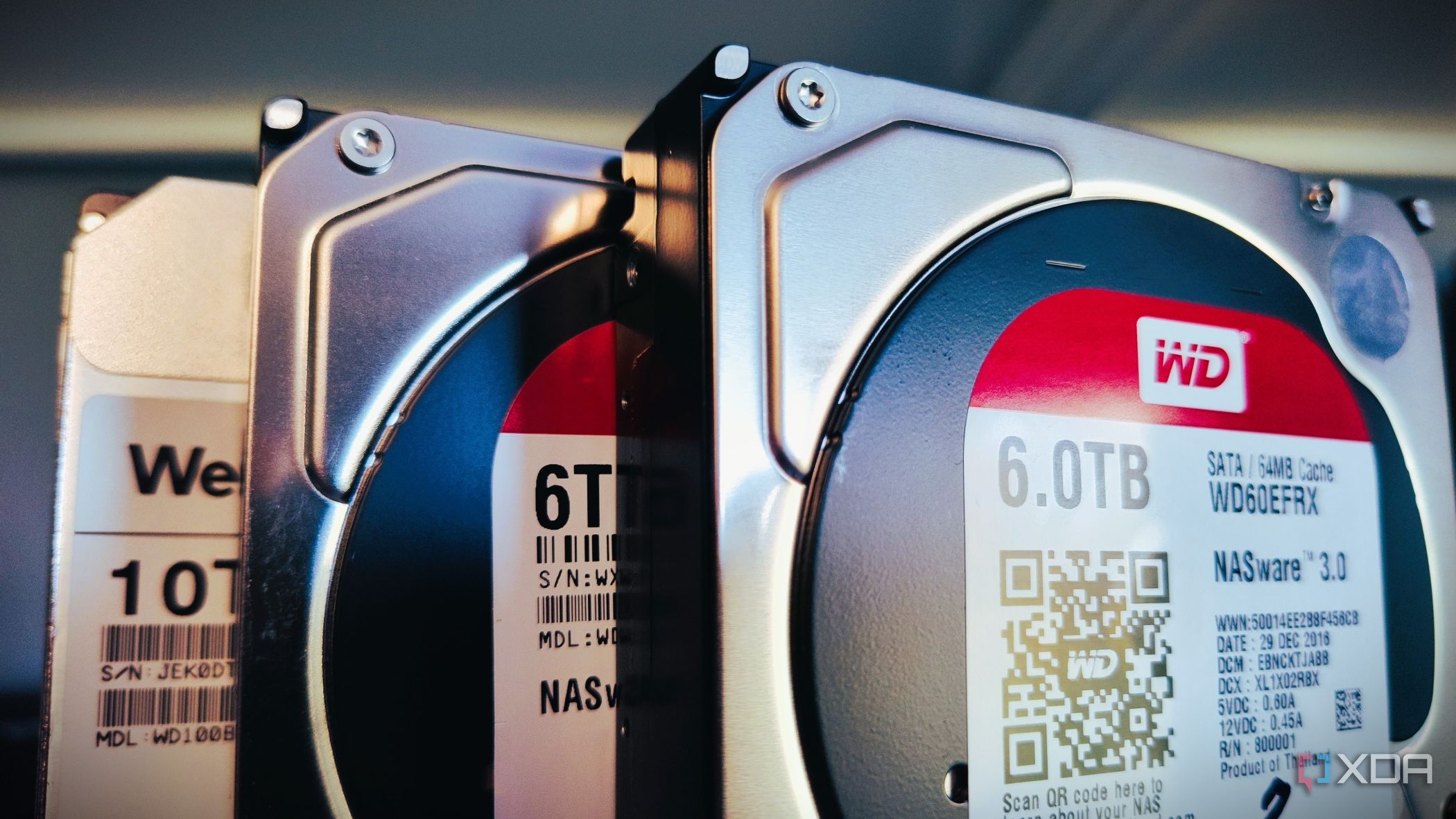
UPDATE: Western Digital has confirmed it is completely sold out of hard drives for the year 2026, with orders extending through 2028. This urgent news comes as the demand for enterprise AI drives the tech industry into a critical hardware crisis, impacting consumers significantly.
The announcement from CEO Irving Tan during the company’s latest earnings call reveals that unprecedented demand from data centers has left NAS owners scrambling for alternatives. With hard drives on backorder until 2028, users seeking reliable storage solutions face escalating prices that are already 30-40% higher than six months ago. This situation is particularly dire for those relying on Network Attached Storage (NAS) systems.
As consumers grapple with the implications, the fallout from rising HDD prices is visible across the market. Major companies like Micron have already exited consumer hardware, while Nvidia and AMD have delayed next-gen GPUs. This trend underscores a broader shift where manufacturers prioritize enterprise profit over consumer needs.
For NAS users, the price of a basic setup has skyrocketed. A standard 4-bay NAS with four 4TB NAS drives now costs between $1,200 and $1,500. With prices unlikely to decrease soon, users must explore viable alternatives.
Fortunately, options exist for those willing to navigate the secondary market. Buying refurbished or enterprise HDDs can yield significant savings. These drives undergo rigorous testing, ensuring they meet quality standards. If sourced from reputable sellers such as Amazon or eBay, the benefits can outweigh the risks.
Another cost-effective strategy includes repurposing old PCs into makeshift NAS systems or “shucking” external drives for internal use. While this requires some effort and understanding of specifications, many NAS users have successfully adopted this approach to avoid exorbitant NAS-specific drive prices.
Utilizing SSDs in NAS systems is another emerging trend. Though SSDs typically offer superior speed, their current market prices have surged. Instead of opting for consumer SSDs, which are priced nearly three times their regular rates, savvy users are looking to enterprise SSDs available on the used market. These drives are built to endure relentless use, making them ideal for 24/7 NAS operations.
As the hardware crisis continues, NAS users bear the brunt of increased storage demands. With prices climbing and availability dwindling, now is the time for NAS owners to act. Exploring refurbished options and alternative storage solutions will be crucial in navigating this evolving landscape.
Stay tuned for more updates as this situation develops.
























