








































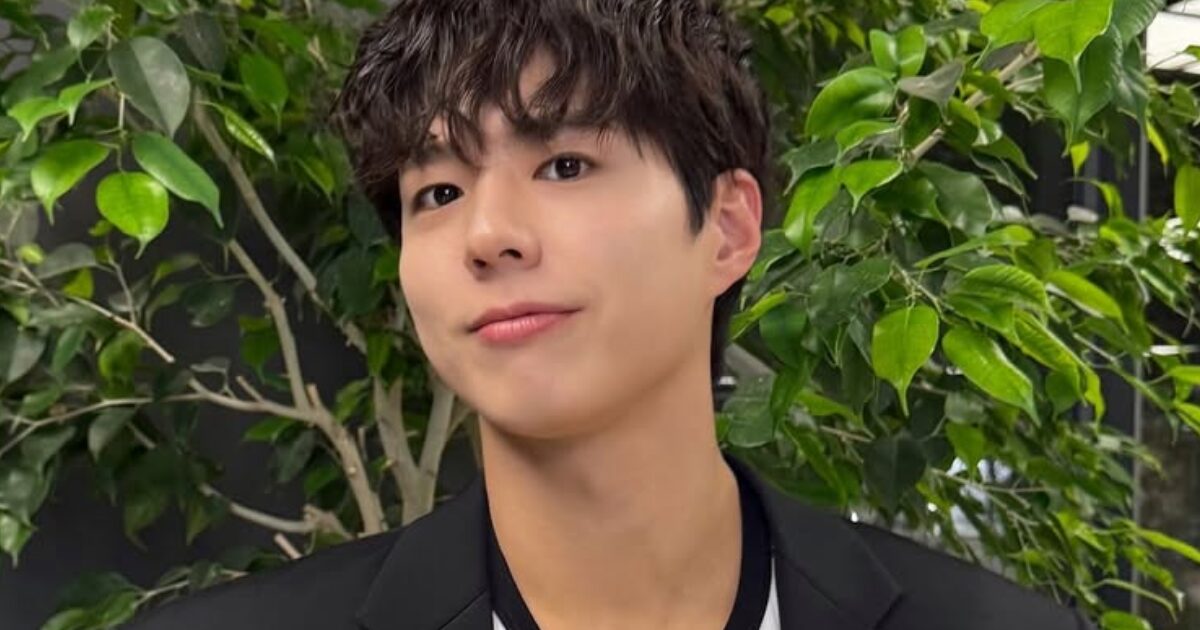
A viral post claiming that South Korean actor Park Bo Gum is gay has generated significant reactions across social media platforms. The post, which has garnered over 220,000 views, suggests that this information is widely known within certain circles and contrasts sharply with the public persona that Park presents.
The post details how those familiar with the entertainment industry claim Park is well-regarded among LGBTQIA+ communities. It describes him as having a “kind” and “upright” image while suggesting he exhibits more feminine traits in private. Quoting an anonymous source, the post mentions that Park’s demeanor is reminiscent of a popular YouTuber, LeoJ, implying that he interacts in a “sassy” manner with friends and sometimes uses phrases like “oh my~.”
Responses to the post have varied greatly. Some commenters expressed confusion over the necessity of discussing Park’s sexuality, emphasizing that it should not matter if he identifies as gay. One user noted, “Even if it were true, it’s not that surprising,” highlighting how rumors about the actor’s sexuality have circulated for years. They reminisced about paying 1,000 won to access “idol secrets” a decade ago, indicating that such claims are not new.
Others reflected on the broader implications of sexual orientation within the entertainment industry. One commentator stated, “Honestly, the entertainment industry probably has quite a lot of bisexuals and gays,” suggesting a more open acceptance of LGBTQIA+ individuals among artists and entertainers.
While some users dismissed the rumors as mere speculation, others pointed to the potential impact of such claims on Park’s career and public image. A user even referenced Park Beom Kye, a former Minister of Justice, signaling that discussions surrounding sexual orientation can attract significant public scrutiny.
The discourse surrounding Park’s sexuality highlights a broader cultural conversation in South Korea, where traditional views on gender and sexuality are gradually evolving. As more celebrities come out publicly, the landscape is shifting, allowing for increased acceptance and dialogue around LGBTQIA+ issues.
In a society where celebrity culture holds considerable influence, discussions like these can shape public perceptions and attitudes. The reactions to this particular post reflect a complex interplay of curiosity, acceptance, and skepticism, underscoring the ongoing need for open conversation about LGBTQIA+ representation in the media and beyond.
























