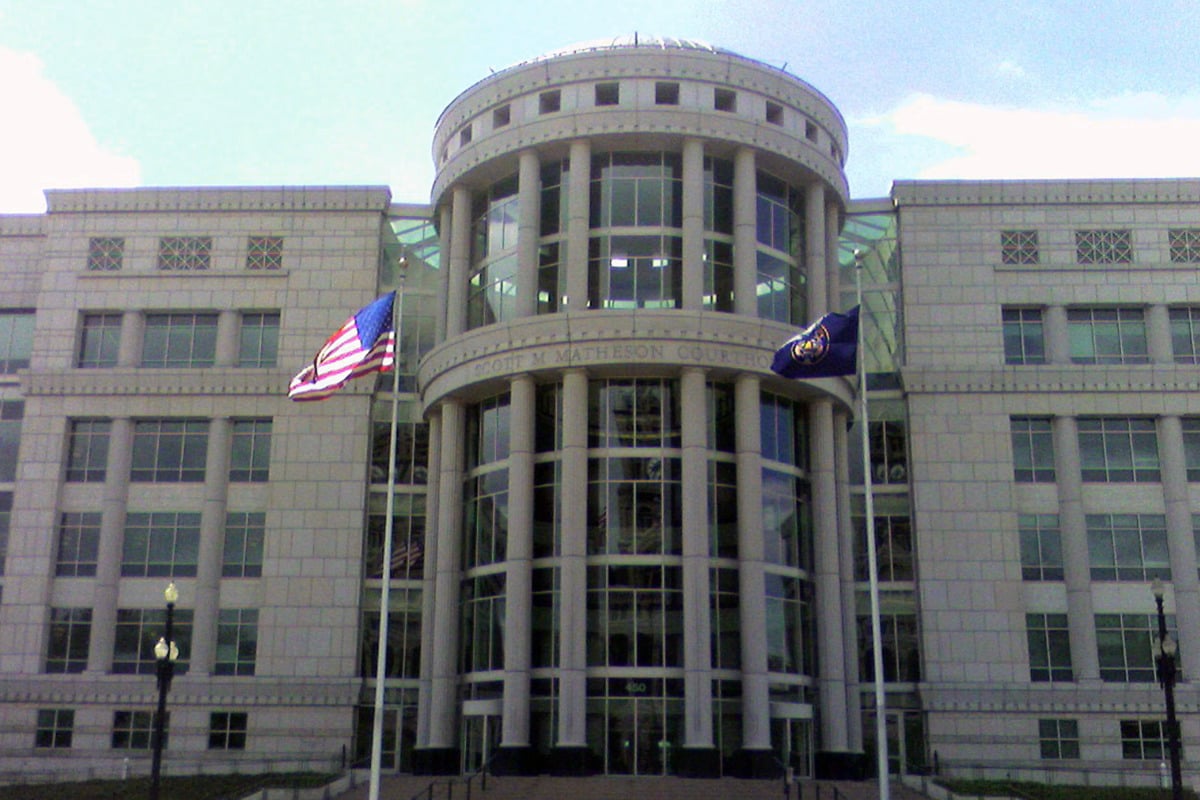
Utah’s Supreme Court has decisively rejected an appeal from state lawmakers seeking to suspend a lower court ruling that invalidated a Republican-drawn congressional map. This ruling clears the way for a new, court-approved district map to be implemented ahead of the 2026 election cycle. The three-justice panel stated it lacked jurisdiction to consider the appeal due to unresolved claims in the underlying lawsuit.
April 7, 2023, marked a pivotal moment as the court dismissed the Legislature’s appeal and denied a request for a stay, alongside a motion from a Utah County clerk seeking to join the case. In their brief order, the justices reiterated that “no claim has been certified as final,” which precluded the high court from intervening at this stage.
Background of the Legal Challenge
This ruling is rooted in a decision made by a district judge in late 2025, which upheld Proposition 4. This 2018 voter initiative established anti-gerrymandering standards, thereby rendering the Legislature’s 2021 congressional map unlawful. The judge initiated a remedial process to create new congressional lines and ultimately selected a map proposed by the plaintiffs, asserting that the lawmakers’ alternative still did not comply with the provisions of Proposition 4.
Advocates for the plaintiffs view the court’s order as a significant victory for voters. Critics, including some Republican leaders, have condemned the ruling as judicial overreach and suggested that further legal challenges could arise. Katharine Biele, representing the League of Women Voters of Utah, criticized the Legislature’s approach, stating, “The legislature has one strategy: delay.”
Political Reactions and Implications
The newly approved remedial map centralizes Salt Lake County into a single district, which analysts believe will create a more competitive electoral environment than the previous configuration. Reports from Deseret News indicate that several Democratic figures are already considering candidacies for this newly drawn seat.
The plaintiffs’ argument to the Supreme Court centered on the procedural aspect, claiming the appeal was premature given that unresolved claims in the district court prevented the entry of a final judgment under Rule 54(b). The justices agreed with this procedural assessment, reinforcing the notion that the case’s core dispute revolves around whether lawmakers have the legal authority to amend or repeal a voter-approved initiative that reshaped Utah’s redistricting framework.
As the state Supreme Court has chosen not to disrupt the ongoing process, the district court’s schedule for remedial action remains intact. Election officials are now faced with tight deadlines for ballot preparation and candidate filing. Lawmakers could potentially request a review from the justices after the remedial proceedings conclude or might consider addressing certain aspects in federal court. For now, the court-ordered map will proceed towards implementation unless further legal complications arise.
As the parties involved continue to maneuver through the remaining procedural steps leading up to the 2026 election cycle, additional filings and public commentary are expected. The implications of this ruling are likely to have lasting effects on Utah’s political landscape, shaping electoral dynamics in the years to come.