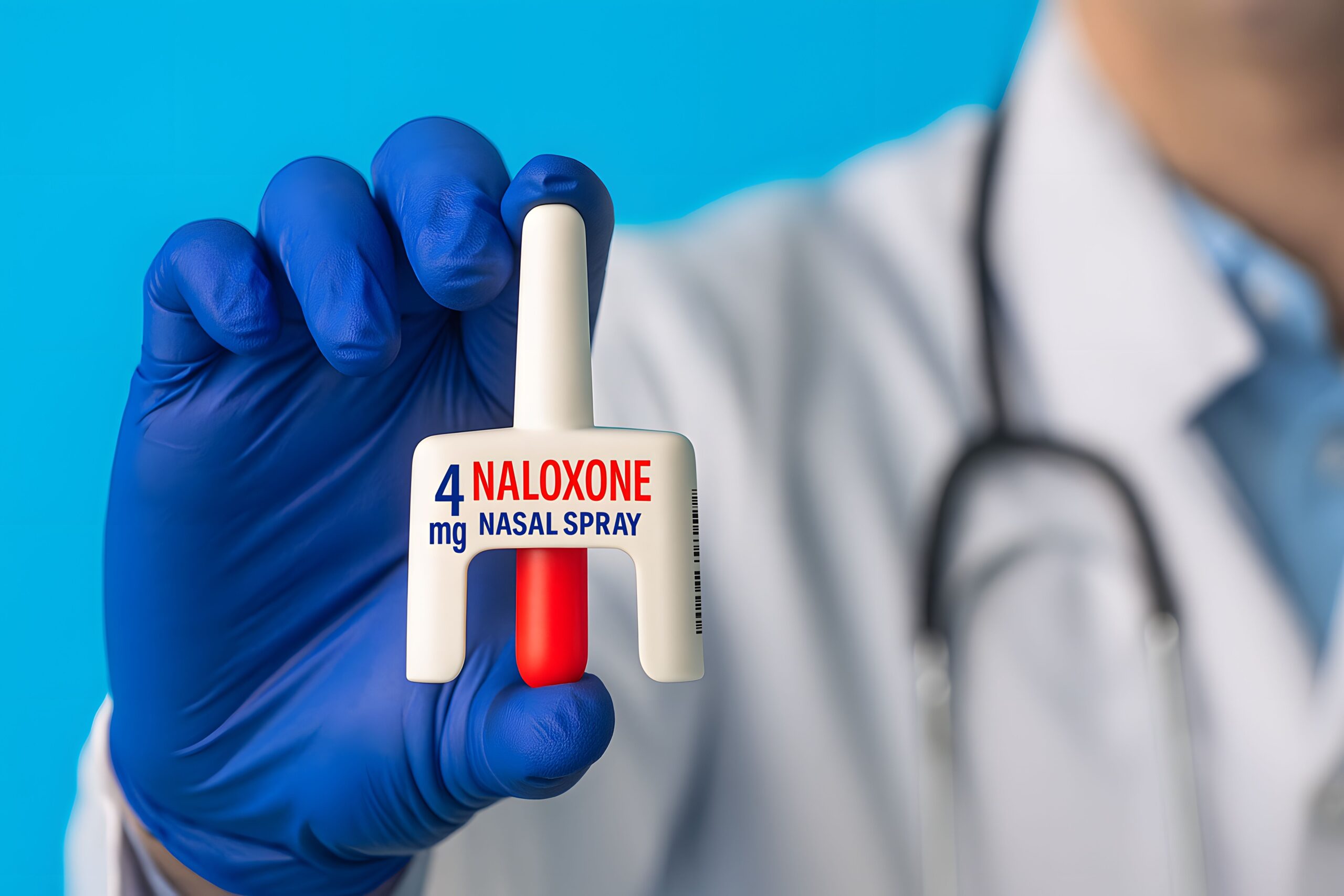
UPDATE: The FDA has just announced critical safety updates regarding opioid prescriptions, mandating the co-prescription of naloxone for patients receiving high doses of opioids. This move comes as the opioid crisis continues to claim lives, with over 107,941 overdose deaths reported in 2022 alone. While numbers have slightly declined in 2023, they remain alarmingly high, prompting urgent action from healthcare authorities.
The new regulations, effective July 2025, emphasize the importance of safeguarding patients from the life-threatening risks of opioid misuse, addiction, and overdose. Pharmacists play a pivotal role in this initiative, with a focus on ensuring that patients prescribed opioids, especially from hospitals, are adequately protected. With opioid-related deaths accounting for 80% of all drug overdose fatalities in the U.S. in 2021, the need for preventive measures cannot be overstated.
Pharmacists are now tasked with recommending naloxone for patients on opioid doses exceeding 50 to 90 morphine milligram equivalents (MME). States like Arkansas have already mandated this co-prescription at a threshold of 50 MME, while California recommends it for patients exceeding 90 MME. The urgency to act is heightened for patients also prescribed benzodiazepines, as this combination significantly increases the risk of overdose.
Authorities emphasize that naloxone, which reverses opioid-induced respiratory depression, is a vital tool in preventing fatal overdoses. The Mississippi State Department of Health has launched a proactive initiative through Project AUTO-MED, distributing naloxone kits in the emergency department settings, further illustrating the immediate steps being taken to combat this epidemic. According to Ashton Smith, PharmD, of the MSDH, the program aims to equip patients with naloxone upon discharge from the emergency department.
Pharmacists must now assess MME levels, concurrent benzodiazepine use, and patient histories to determine the appropriateness of naloxone prescriptions. The goal is clear: to reduce the stigma around naloxone and ensure it is viewed not as a sign of opioid misuse but as a crucial life-saving measure.
As the opioid crisis persists, the role of pharmacists becomes increasingly vital. With naloxone underutilized in practice—evidenced by only 1.7% of surgical patients receiving co-prescriptions—there is a significant opportunity for intervention. Pharmacists are encouraged to educate patients on the correct use of naloxone and to remain aware of state-specific regulations regarding its prescription.
The implications of these changes are profound. With a focus on harm reduction and enhanced safety measures, healthcare providers are mobilizing to combat the ongoing opioid epidemic, aiming to save lives and provide essential support to those at risk of overdose. As pharmacists step up to this challenge, their actions could make a significant difference in the fight against opioid-related deaths.
Keep an eye on ongoing updates as this situation develops, and stay informed on how healthcare systems are adapting to meet the urgent needs of patients facing the opioid crisis.