URGENT UPDATE: Cuba is reeling after the U.S. military strike in Venezuela that reportedly killed 32 security officers over the weekend. This shocking event has left residents in Havana grappling with the uncertain future of their country, closely tied to the now-captured Venezuelan President Nicolás Maduro.
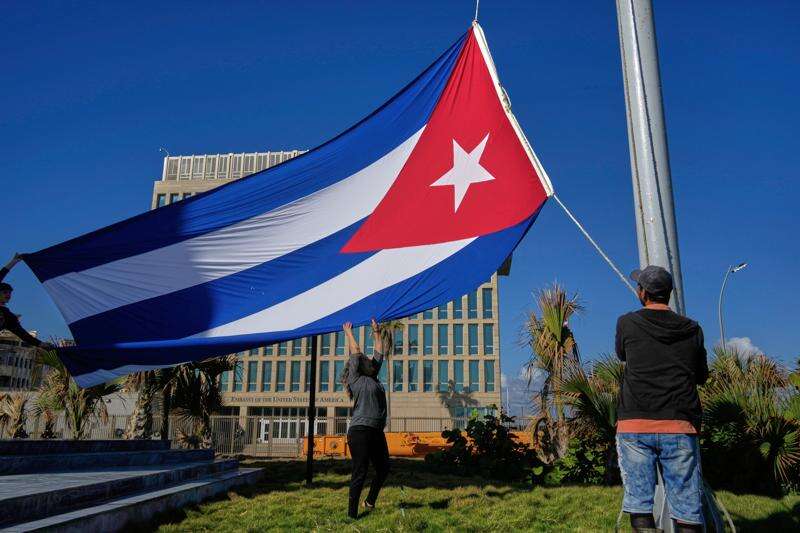
Cuban officials lowered flags at dawn on Monday to honor the slain officers, who were integral to Maduro’s security detail. As the news broke, the impact of this strike has sent shockwaves through the economically struggling island, which heavily relies on Venezuelan oil. The Trump administration has long viewed the downfall of Maduro as a blow to the Cuban government, further complicating the island’s already fragile situation.
“It’s going down,” Trump stated, predicting a worsened economic outlook for Cuba following Maduro’s ouster. This development raises critical questions: Will the U.S. allow Venezuela to continue supplying Cuba with the oil it desperately needs?
Prior to the attack, Venezuela was shipping an average of 35,000 barrels of oil daily to Cuba, accounting for a significant portion of the island’s energy needs. Experts like Jorge Piñón from the University of Texas at Austin warn that the absence of this oil could lead to catastrophic consequences for Cuba, which is already experiencing severe blackouts and food shortages.
The emotional toll is palpable among Cuban citizens. A heart-wrenching scene unfolded as 75-year-old Berta Luz Sierra Molina expressed her despair, stating,
“I can’t talk. I have no words.”
Meanwhile, 63-year-old Regina Mendez, despite her age, echoed the sentiments of many when she declared,
“Give me a rifle, and I’ll go fight.”
This fervent call to action highlights the desperation and determination felt by many Cubans in light of the crisis.
The looming question remains: what happens next for Cuba? With the Trump administration focusing on dismantling ties between the two nations, the island’s leadership is urging the international community to resist what they describe as “state terrorism.” The potential severing of links to Venezuelan oil could plunge Cuba deeper into economic despair.
Economists like Ricardo Torres from American University emphasize the severity of the situation, noting that the current blackouts are already significant, and losing Venezuela’s oil supply would exacerbate the crisis. “Imagine a future now in the short term losing that,” Torres warned, calling it a potential catastrophe.
This developing situation demands close attention. Observers are left wondering how the U.S.’s actions will reshape the geopolitical landscape of the region and what the future holds for Cuba and its people.
Stay tuned for updates as this story unfolds. The implications of these events could resonate far beyond the shores of Cuba and Venezuela.